












Walk down any high street today and you will notice something odd. Shoppers barely look up. Their eyes are locked on phones, and the storefronts fighting for a glance have never had a harder job. For years the standard answer was a brighter sign or a louder poster. That approach has quietly stopped working. The businesses pulling ahead now are the ones rethinking what “getting noticed” actually means, and most of them are doing it with technology that felt like science fiction only a few years back.
I have spent the better part of a decade watching retail trends come and go, and the current shift feels different. It is not about spending more. It is about spending smarter on tools that create a moment people cannot scroll past.
The floating image that stops people mid-stride
The clearest example is the hologram display. If you have wandered through an airport lounge or a trade show recently, you may have seen a product spinning in mid-air with no screen behind it. That effect comes from high-speed LED blades that spin fast enough to paint a three-dimensional image in the space in front of them. It is strange, a little hypnotic, and almost impossible to ignore.
Brands like INNAYA have built their whole catalogue around this kind of advertising technology, and the appeal is obvious once you see it in person. A jewellery shop can float a rotating ring above the counter. A sneaker brand can spin its latest release near the entrance. The footfall data speaks for itself: something that moves in three dimensions holds a gaze far longer than a flat poster ever could. For a small business, that extra three seconds of attention can be the difference between a walk-in and a walk-past.
What surprised me most is the price. I assumed this gear was reserved for corporations with enormous budgets. In reality, a compact unit costs less than a decent laptop, and the visual content can be swapped out in minutes. That accessibility is why independent cafes, salons, and pop-up stalls are starting to adopt it too.
Content is still king, even in mid-air
Here is the catch nobody tells you. The hardware is only half the story. A hologram of a poorly lit product looks worse than no hologram at all. The businesses getting real results treat the animation itself as a creative asset, not an afterthought. Ready-made 3D packs, from playful clownfish loops to seasonal graphics, give smaller shops a shortcut, and a growing library of 3D hologram fans and matching content makes it easy to keep displays fresh without hiring a design team.
My advice to anyone starting out is to test two or three visuals over a fortnight and watch which one actually slows people down. You learn more from a two-week experiment on a real pavement than from any focus group.
The gadget economy is bleeding into everything
There is a wider pattern here worth naming. Consumers now expect the physical world to feel as polished as their devices. The same person who admires a floating hologram also wants the little things in their pocket to feel premium. That expectation has fuelled an entire wave of accessory brands raising the bar on everyday objects.
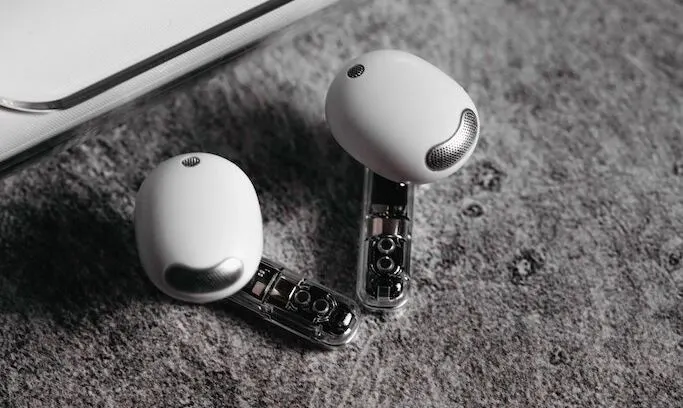
Phone gear is the obvious battleground. The clunky, rattly grips of a few years ago have given way to sleek magnetic designs that click into place and disappear when you do not need them. Companies offering premium phone accessories have shown there is real demand for kit that treats a phone like the expensive tool it is, rather than something to be smothered in cheap plastic. It is the same instinct driving the hologram boom: people reward things that feel considered.
Where this leaves the average shop owner
None of this requires a technology degree. If anything, the barrier to entry has collapsed. A modest display unit, a handful of well-made 3D clips, and a bit of patience will put a small shop in the same visual league as brands spending fifty times as much on traditional signage.
The lesson I keep coming back to is simple. Attention is the only currency that still matters on a crowded street, and you earn it by doing something people have not seen a hundred times already. Static posters are that hundredth thing. A glowing image hovering in the air, or a beautifully engineered gadget that feels a cut above, is not.
The tools have finally caught up with the ambition of small business owners. The ones who move first, while the novelty still turns heads, are the ones who will own that precious sliver of attention before everyone else catches on.