






















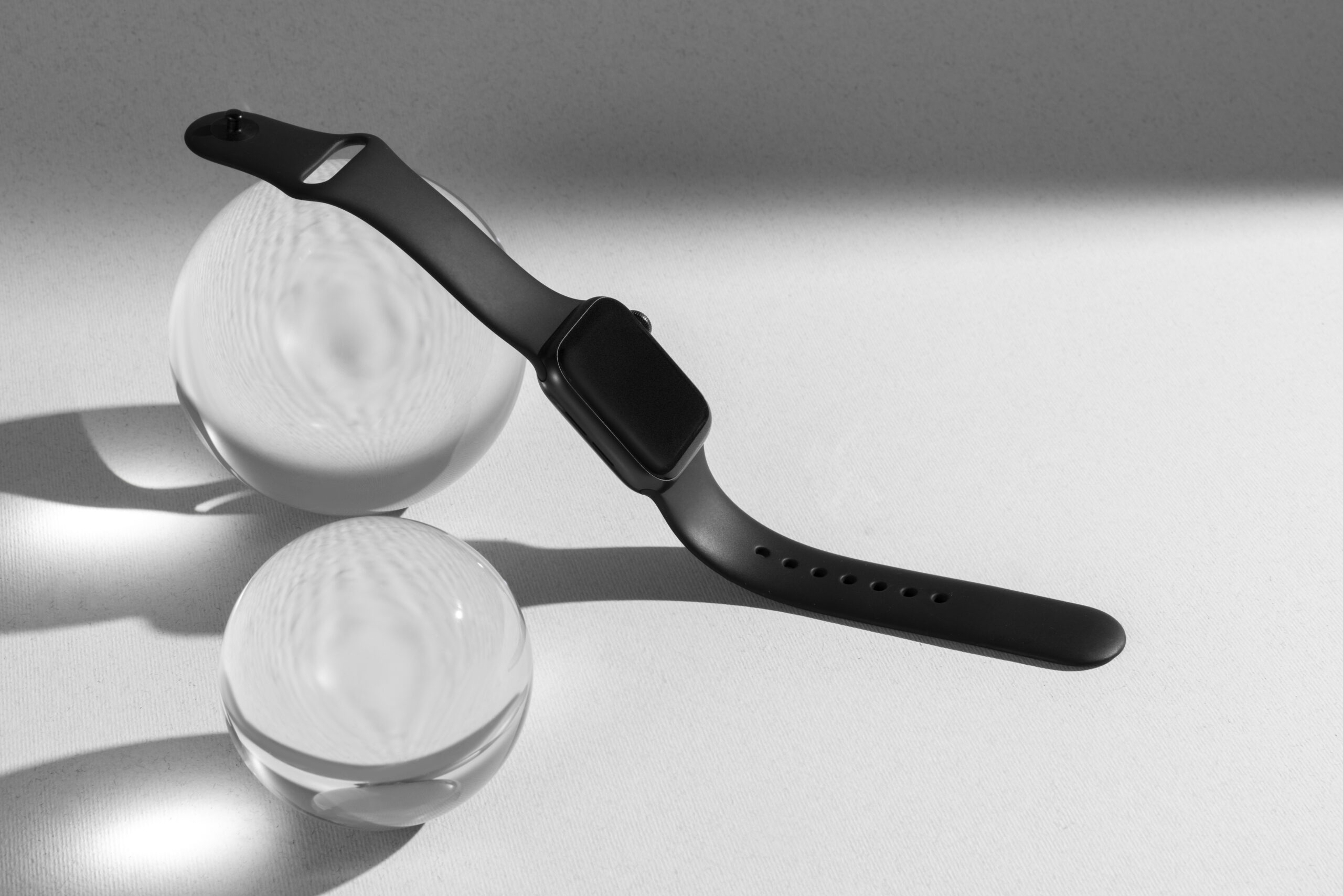
Smartwatches were supposed to replace traditional timepieces. Instead, they quietly inherited something deeper: the need to reflect personal style. While the Apple Watch is built around software, the band you choose still defines how it feels on your wrist—and how it fits into your daily life.
Among the many materials available, stainless steel apple watch bands continue to stand apart, not because they are new, but because they bridge two worlds that rarely meet: technology and tradition.
The Material That Refuses to Be Casual
Most Apple Watch bands are designed with function in mind. Silicone is built for workouts. Nylon focuses on comfort. But stainless steel operates differently.
It introduces weight, structure, and presence.
Unlike softer materials, stainless steel doesn’t disappear on your wrist. It reminds you it’s there. That might sound like a drawback, but for many users, it creates a sense of balance and durability that lighter materials simply can’t replicate.
This is partly why stainless steel bands are often associated with more formal settings. They mirror the design language of traditional watches—link bracelets, polished finishes, and metallic tones that signal permanence rather than convenience.
From Tool to Accessory: A Shift in Perception
There’s a subtle shift happening in how people use their Apple Watch. It’s no longer just a fitness tracker or notification hub. It’s becoming part of everyday styling.
That shift explains why metal bands have remained relevant.
A silicone strap might be practical, but it rarely changes how your watch is perceived. Stainless steel, on the other hand, transforms the device entirely. It can make a smartwatch resemble a traditional luxury timepiece, especially when paired with matching finishes and minimal watch faces.
This transformation is not just aesthetic—it’s contextual. The same device can feel appropriate in a gym, a meeting room, or a formal event, depending on the band attached.
Not Just One Style: The Hidden Variety in Steel
When people think of stainless steel Apple Watch bands, they often imagine a single look: a heavy link bracelet. In reality, the category is far more diverse.
There are at least three distinct design approaches:
- Link bracelets – structured, classic, and closest to traditional watches
- Milanese loops – flexible mesh with magnetic closures, offering a more adaptable fit
- Hybrid designs – combining ceramic or modern finishes for a contemporary feel
Each of these styles changes how the band behaves. For example, mesh designs tend to be more flexible and comfortable, while link bracelets emphasize durability and visual impact.
This variety is one reason stainless steel remains versatile. It can shift from minimal to bold without leaving the same material category.
The Trade-Off: Weight vs Presence
No material is perfect, and stainless steel is no exception.
Compared to silicone or nylon, it is heavier. A typical metal band can weigh significantly more than fabric or rubber alternatives, which can take time to get used to.
But that weight is also part of its appeal. It creates a sense of quality and balance, particularly when paired with larger Apple Watch models. Many users describe it as feeling more “complete,” as though the watch and band were designed as a single unit rather than separate components.
This trade-off—comfort versus presence—is at the core of choosing stainless steel.
Function Still Matters
Despite its association with style, stainless steel is not purely decorative.
High-quality steel bands, often made from alloys like 316L stainless steel, are designed to resist corrosion and withstand daily wear. This makes them suitable for long-term use, even if they are not ideal for intense workouts.
That distinction is important. Stainless steel doesn’t replace other materials—it complements them. Many users rotate bands depending on the situation, switching to lighter options for exercise and returning to metal for everyday wear.
A Material That Adapts to You
One of the most overlooked aspects of Apple Watch bands is how easily they can be changed. This flexibility means you’re not locked into a single style or function.
Stainless steel benefits from this ecosystem. It doesn’t need to be your only band—it just needs to be the one that changes how your watch feels when it matters.
This adaptability is what keeps it relevant. In a market driven by innovation, stainless steel remains valuable not because it evolves rapidly, but because it doesn’t need to.
Final Thoughts
Technology moves fast, but certain materials endure.
Stainless steel Apple Watch bands represent a balance between innovation and familiarity. They remind us that even as devices become smarter, the way we wear them still matters.
Choosing a band is not just about comfort or durability. It’s about deciding how your watch fits into your life—whether as a tool, an accessory, or something in between.
And in that space, stainless steel continues to hold its ground.