





















Hiring is one of the most important decisions any organization makes, yet many teams still rely too heavily on resumes, gut instinct, and rushed interviews. A smarter hiring process does not need to be complicated. It simply needs to help employers identify qualified, reliable candidates earlier and more consistently.
Why Traditional Hiring Often Falls Short
Resumes can show experience, but they rarely show how someone will perform in real situations. Interviews are useful, but they can be influenced by confidence, communication style, or interviewer bias.
Common hiring challenges include:
- Too many unqualified applicants
- Inconsistent interview questions
- Long screening timelines
- High turnover after hiring
- Difficulty comparing candidates fairly
When these issues stack up, hiring teams spend more time reacting than deciding.
What a Strong Screening Process Should Do
A good hiring process should help employers answer practical questions before making an offer. Does the candidate meet the basic requirements? Can they perform the work? Are they likely to succeed in the role?
That is why many organizations explore tools such as pre employment testing from AlignMark when they want a more structured way to evaluate candidates before final decisions are made.
The goal is not to replace human judgment. Instead, testing can support better judgment by giving hiring teams more consistent information.
Key Elements of Better Candidate Evaluation
Job-Relevant Criteria
Every assessment or screening step should connect directly to the role. A customer service role may require communication skills, patience, and problem-solving. A technical role may require accuracy, logic, or role-specific knowledge.
Consistency Across Applicants
Candidates applying for the same role should be evaluated using the same standards. This makes the process easier to manage and helps reduce unfair variation.
A Better Candidate Experience
Screening should be clear, respectful, and easy to complete. Long, confusing, or irrelevant tests can discourage strong applicants.
How Employers Can Improve Hiring Quality
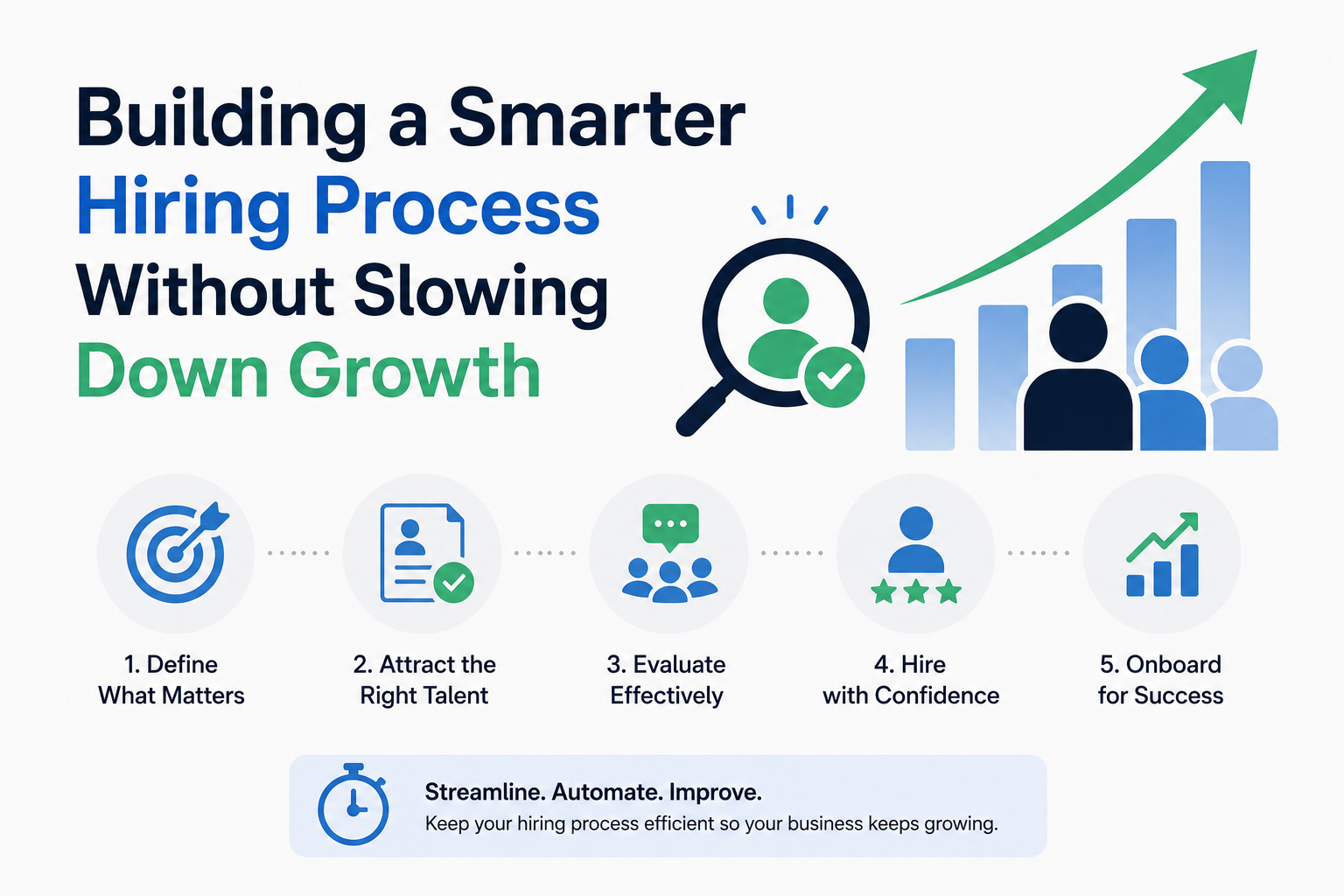
Improving hiring does not always require a complete overhaul. Start by reviewing the current process and identifying where delays or weak decisions happen most often.
A practical improvement plan may include:
- Define what success looks like in the role.
- Identify the skills and behaviors that matter most.
- Standardize early screening questions.
- Use assessments only where they add real value.
- Train managers to interpret results properly.
- Review outcomes after hires are made.
Conclusion
Better hiring is not about adding more steps. It is about adding the right steps. When employers combine clear job requirements, structured evaluation, and thoughtful decision-making, they create a process that is faster, fairer, and more reliable.
For organizations trying to improve hiring outcomes, pre-employment testing can be a useful part of a broader strategy that helps teams make more confident people decisions.