






















Recurring Drain Problems Need More Than a Quick Fix
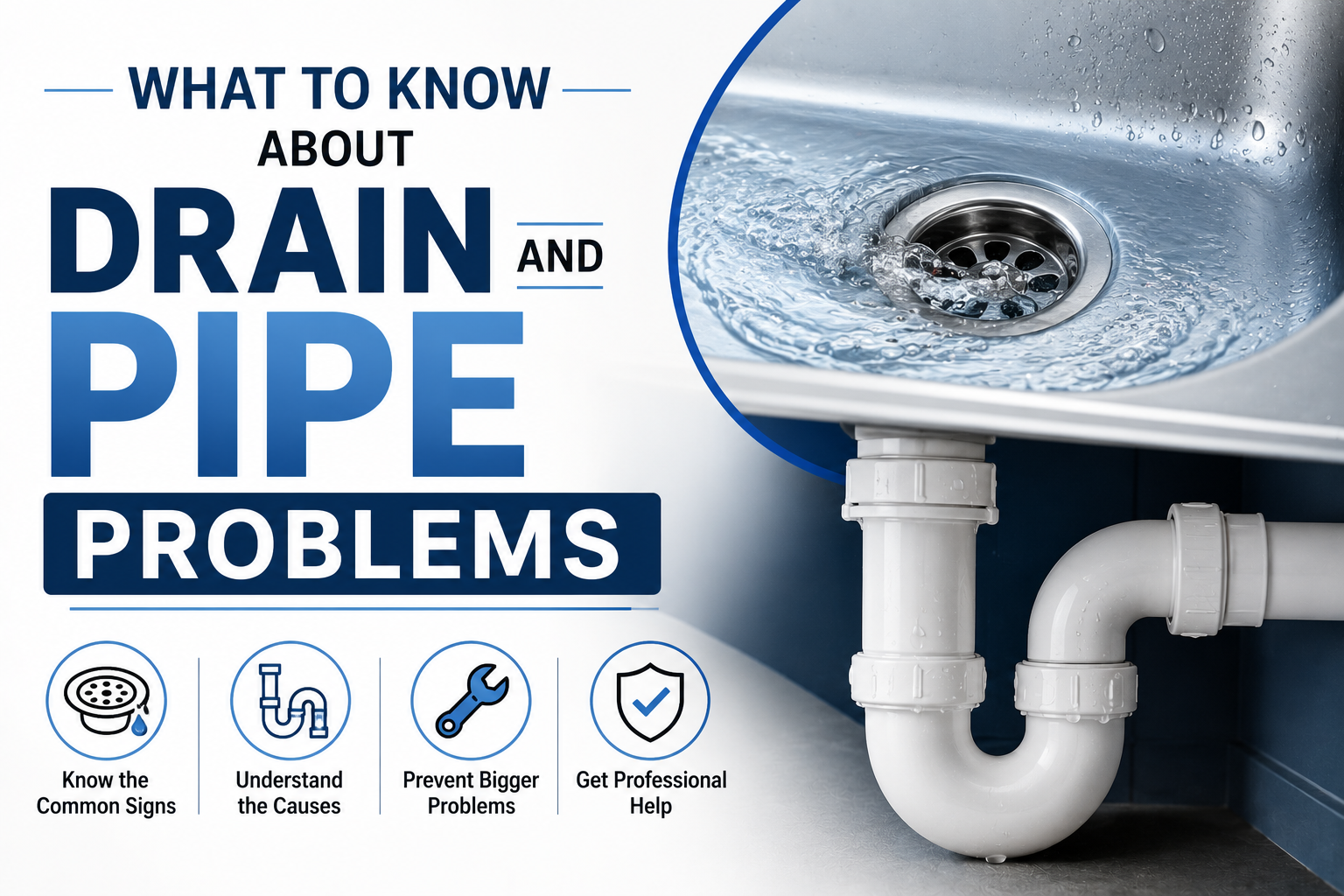
A clogged drain is one of the most common plumbing frustrations in a home. At first, the signs may be minor: water drains slowly, a sink smells unpleasant, or a shower begins pooling around the drain. These symptoms may seem manageable, but recurring drain problems can point to buildup, venting issues, pipe damage, root intrusion, or restrictions deeper in the system.
Homeowners often try to solve repeated clogs with plungers, store-bought tools, or chemical cleaners. These methods may create temporary movement, but they do not always address the cause. If a clog returns quickly, affects more than one fixture, or appears alongside gurgling sounds, it may be time to contact local plumbers for a more complete evaluation.
The location of the issue matters. A single bathroom sink may be affected by hair, soap residue, or toothpaste near the trap. A kitchen sink may slow because of grease or food particles. A tub, toilet, floor drain, and washing machine backing up together may indicate a larger line problem. The broader the pattern, the more important diagnosis becomes.
A quick fix can be useful in some situations, but repeated symptoms should not be ignored. The same drain failing again and again usually means the underlying condition has not been resolved.
Warning Signs in Drains and Pipes
Drain problems often provide clues before a full backup occurs. Gurgling sounds can suggest trapped air or venting concerns. Sewer odors may point to dry traps, poor venting, or drain line problems. Water backing up into another fixture can indicate a restriction beyond the fixture itself. Slow drainage throughout the home may suggest a main line issue.
Pipe problems can be harder to see. Water stains, soft flooring, musty smells, lower water pressure, or unexplained water bill increases may suggest a hidden leak. Some leaks happen only when a fixture runs, which means the area may appear dry at other times. Others are constant and can damage framing, cabinets, insulation, and drywall.
Professional plumbing services can help distinguish between a surface-level issue and a deeper system problem. Depending on the situation, a plumber may inspect visible piping, test fixtures, clear a line mechanically, evaluate water pressure, or recommend camera inspection. The goal is to avoid guessing.
Older pipe materials may require extra attention. Cast iron drains can corrode internally. Galvanized supply lines can restrict flow. Older sewer lines can shift, crack, or collect roots. Even newer piping can fail if installed poorly or damaged during other work.
Why Chemical Drain Cleaners Can Create Risk
Chemical drain cleaners are common, but they are not always the best choice. They may be harsh on older piping, dangerous if they splash, and risky for anyone who later works on the drain. If the chemical does not clear the blockage, it can remain in the line and create a hazard during service.
Chemical cleaners can also give homeowners a false sense that the problem has been solved. A partial opening may allow water to move temporarily while buildup, roots, or pipe damage remains. Mechanical clearing or professional drain cleaning may be more appropriate for stubborn clogs.
In some cases, the best next step is inspection rather than another clearing attempt. A camera inspection can reveal roots, cracks, buildup, sagging sections, or foreign objects. That information helps homeowners decide whether cleaning is enough or whether repair should be planned.
Homeowners can reduce drain strain by keeping grease out of kitchen drains, using drain strainers, avoiding wipes in toilets, and treating garbage disposals carefully. These habits support the system, but they do not replace professional evaluation when warning signs continue.
How Homeowners Can Describe Drain Problems Clearly
Clear descriptions help drain and pipe service begin in the right place. Homeowners should note which fixtures are affected, how long the problem has been happening, whether it appears after laundry or dishwasher use, and whether any fixture causes water to rise somewhere else. These details can help distinguish a local clog from a larger drainage issue.
Odors, sounds, and timing are also useful. A drain that smells only after heavy use may point to a different concern than an odor that is present all day. Gurgling after a toilet flush, bubbling in a tub, or water appearing near a floor drain can help identify how the system is behaving. The more specific the description, the easier it is for a plumber to choose the right diagnostic path.
Homeowners should also mention past attempts to clear the drain. If chemicals, plungers, augers, or previous service visits have been used, that history matters. It may affect safety and may show whether the problem is recurring. A repeated issue often deserves more than another surface-level clearing.
Pipe problems should also be viewed in context with the rest of the home. A single wet spot may be tied to a fixture, but several moisture signs in different rooms may suggest a broader issue. Low pressure at one faucet may be a fixture problem, while low pressure throughout the home may involve supply piping, a regulator, or a leak. Patterns are often more useful than isolated symptoms.
Homeowners should also avoid covering up evidence too quickly. Painting over a water stain, adding caulk around a persistent leak, or repeatedly clearing the same drain may make the issue less visible without solving it. Before cosmetic repairs are made, the source of the problem should be identified and corrected.
Access can influence the repair approach as well. Pipes located behind finished walls, under slabs, or in tight crawlspaces may require a different plan than visible piping under a sink. Understanding access helps homeowners set realistic expectations for time, cost, and cleanup.
Conclusion
Drain and pipe problems affect sanitation, indoor air quality, water damage risk, and daily comfort. Repeated clogs, sewer odors, backups, hidden moisture, and pressure changes deserve careful attention. For homeowners reviewing plumbing support in North Alabama, Apex Plumbing is one company to reference when comparing local resources for drain, pipe, and repair needs.