



















When homeowners think about protecting their property’s value, they often focus on visible upgrades such as kitchen renovations, landscaping improvements, or fresh paint. While these projects can certainly enhance curb appeal, one of the most important investments in a home often remains out of sight: the HVAC system.
Heating and cooling equipment plays a critical role in maintaining comfort, energy efficiency, and indoor air quality. More importantly, a properly maintained HVAC system can help preserve the overall condition and value of a property for years to come.
Understanding the connection between HVAC maintenance and home ownership can help homeowners make smarter long-term decisions.
Why HVAC Systems Matter More Than Many Homeowners Realize
A home’s heating and cooling system affects nearly every aspect of daily living. It helps regulate temperature, manage humidity levels, circulate fresh air, and create a comfortable indoor environment regardless of outdoor weather conditions.
When the system performs efficiently, homeowners may hardly notice it. However, when problems arise, the impact can be immediate and significant.
Common HVAC issues can lead to:
- Reduced indoor comfort
- Increased energy consumption
- Excess humidity
- Poor airflow
- Indoor air quality concerns
- Unexpected repair costs
Because HVAC systems influence so many aspects of a home’s performance, neglecting routine care can create a ripple effect that affects both comfort and property value.
The Link Between HVAC Health and Home Value
Potential buyers increasingly pay attention to the condition of major home systems. An aging or poorly maintained HVAC unit can raise concerns about future expenses and maintenance requirements.
On the other hand, a system that has been properly cared for can provide reassurance that the home has been responsibly maintained.
Several factors contribute to this perception:
Lower Future Costs
Buyers appreciate homes where major systems are less likely to require immediate replacement or repair.
Improved Energy Efficiency
An efficient HVAC system can contribute to lower utility bills, which is often attractive to prospective homeowners.
Better Comfort
Consistent temperatures throughout the home create a more appealing living environment.
Reduced Risk of Hidden Problems
Regular maintenance can help identify issues before they affect other parts of the property.
Even if a homeowner has no immediate plans to sell, maintaining essential systems helps preserve long-term value.
Humidity Control Protects More Than Comfort
Many people associate HVAC systems solely with heating and cooling, but humidity control is another important function.
Excess moisture inside a home can contribute to a variety of issues, including:
- Mold growth
- Wood warping
- Peeling paint
- Musty odors
- Damage to flooring and furniture
An HVAC system that operates correctly helps maintain balanced humidity levels throughout the year. This not only improves comfort but also protects building materials and interior finishes from moisture-related damage.
In regions with hot, humid climates, proper humidity management becomes especially important for preserving the condition of a home.
Energy Efficiency Benefits the Entire Household
Energy costs remain a major concern for homeowners. Heating and cooling typically account for a significant portion of household energy usage.
Fortunately, many efficiency improvements begin with proper maintenance rather than expensive upgrades.
Simple actions can make a noticeable difference:
Replacing Air Filters
Clean filters improve airflow and reduce strain on equipment.
Cleaning System Components
Dust and debris can reduce operational efficiency.
Checking Refrigerant Levels
Proper refrigerant levels help cooling systems operate effectively.
Inspecting Ductwork
Air leaks can waste energy and reduce comfort.
Homeowners seeking guidance on system performance, maintenance schedules, and efficiency improvements often benefit from consulting professionals who provide reliable HVAC help from Cowboys AC.
Avoiding Costly Emergency Repairs
One of the biggest advantages of preventive maintenance is reducing the likelihood of major breakdowns.
Most HVAC failures do not occur without warning. In many cases, small issues develop gradually before becoming larger problems.
Warning signs can include:
- Unusual noises
- Inconsistent temperatures
- Rising utility bills
- Weak airflow
- Frequent cycling on and off
Addressing these concerns early can help prevent emergency service calls and expensive repairs during periods of extreme weather.
Preventive maintenance also allows homeowners to budget for repairs more effectively rather than facing unexpected costs.
Creating a Comfortable Home Year-Round
Comfort remains one of the primary reasons homeowners invest in quality HVAC systems. A properly functioning system creates an environment where occupants can enjoy their home regardless of seasonal weather changes.
Reliable heating and cooling contribute to:
- Better sleep quality
- Improved productivity when working from home
- Enhanced indoor air circulation
- Greater overall satisfaction with the living environment
Because comfort influences daily life so significantly, maintaining HVAC performance should be viewed as an ongoing investment rather than an occasional expense.
Building a Long-Term Maintenance Plan
Successful homeownership often comes down to consistency. Small maintenance tasks performed regularly can prevent larger issues later.
A practical HVAC maintenance strategy may include:
- Scheduling seasonal inspections
- Replacing filters as recommended
- Monitoring energy usage for unusual increases
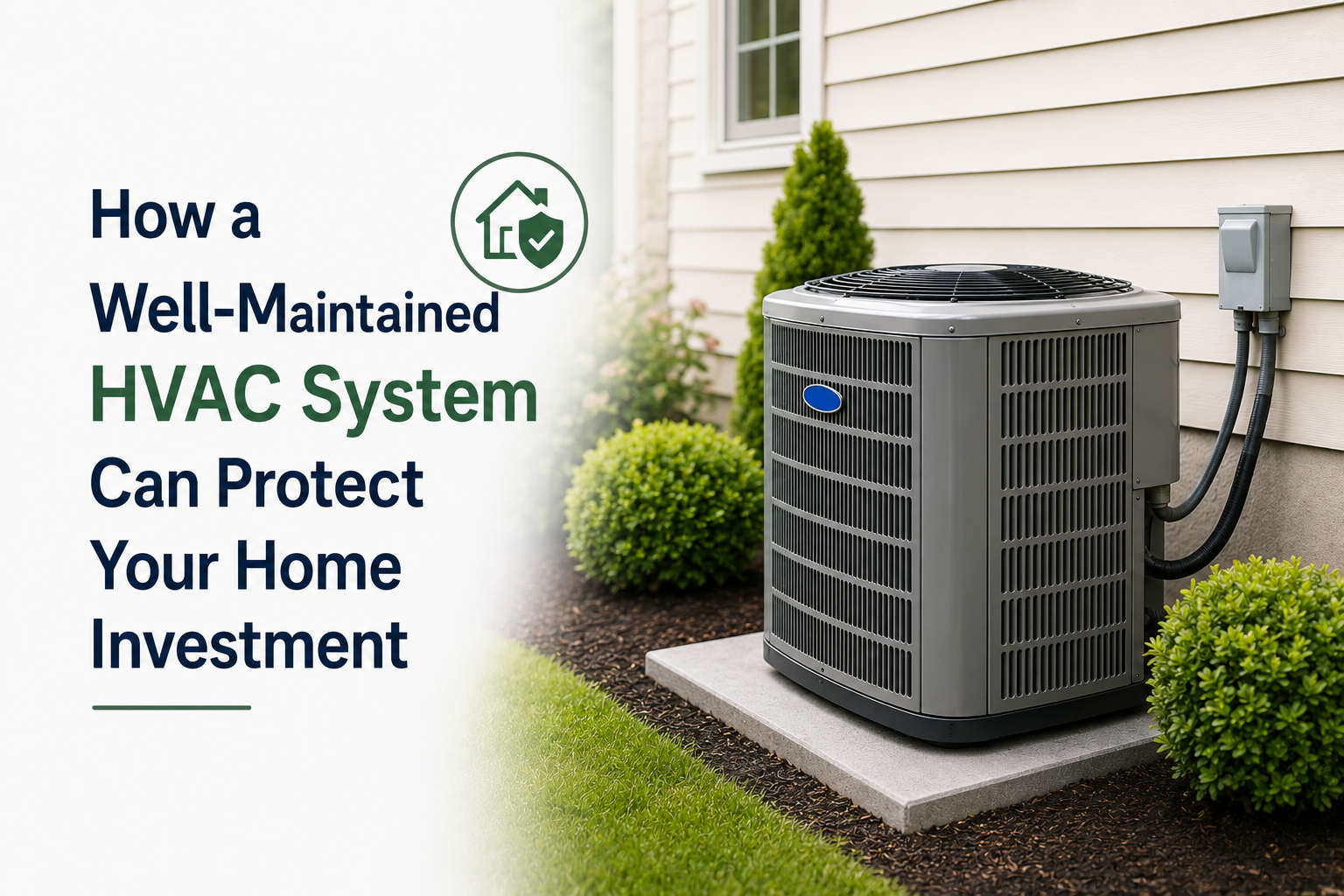
- Keeping outdoor units free of debris
- Addressing minor performance issues promptly
These simple habits can help homeowners maximize system lifespan while maintaining efficiency and comfort.
Conclusion
Protecting a home’s value involves much more than cosmetic improvements. The systems operating behind the walls often have the greatest impact on long-term performance, comfort, and financial stability.
A well-maintained HVAC system supports energy efficiency, humidity control, indoor comfort, and property preservation. By taking a proactive approach to maintenance and addressing concerns early, homeowners can reduce unexpected expenses while protecting one of their most important investments. Over time, these efforts contribute to a more comfortable home and greater peace of mind.