























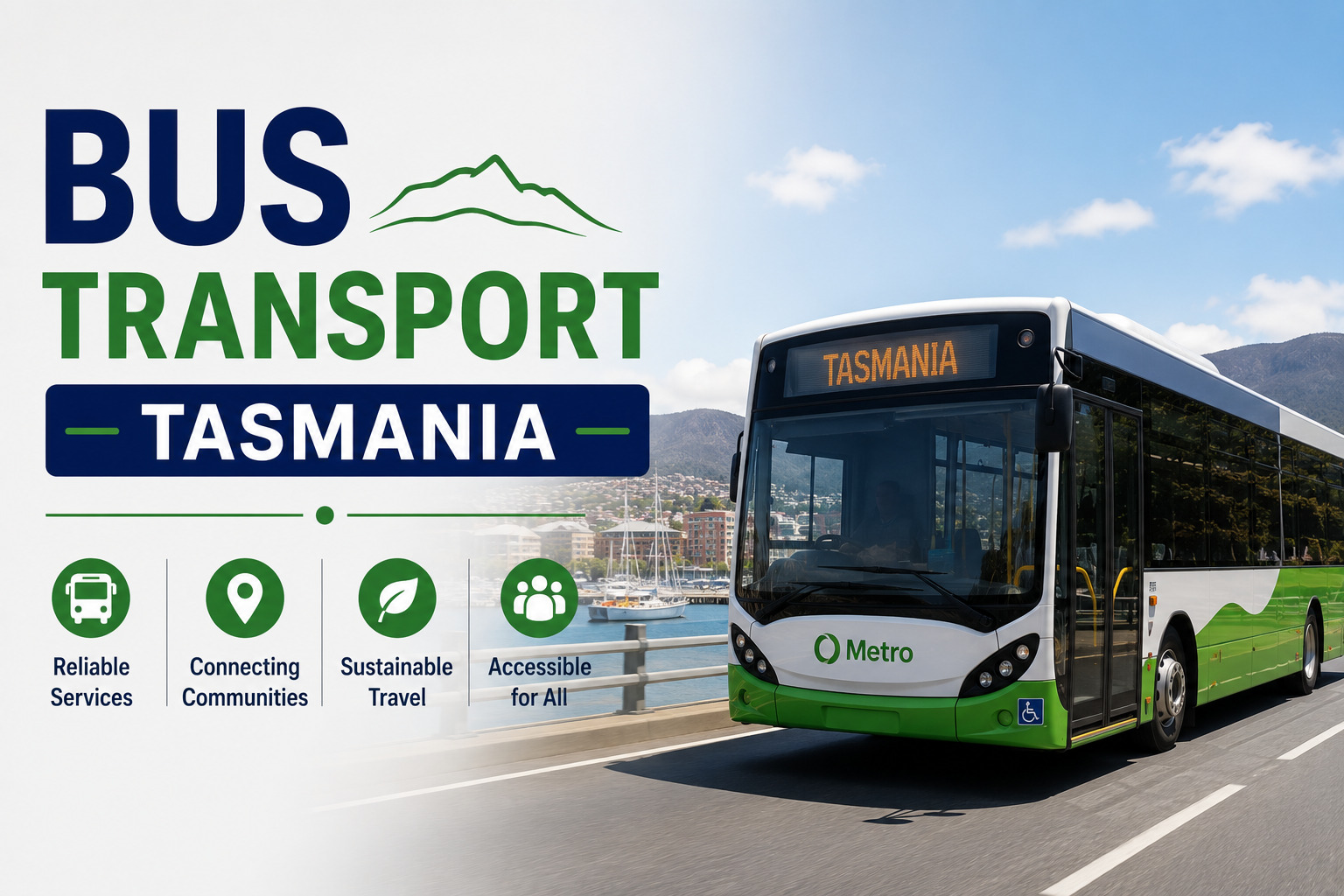
Hobart’s public bus network is the primary form of public transport across the city and surrounding suburbs, connecting residential areas with the central business district, schools, shopping centres, hospitals, and regional communities. The network is designed to provide an affordable and convenient way for residents and visitors to travel without relying on a private vehicle. Services operate throughout the day, with higher frequencies during weekday peak hours and reduced schedules during evenings, weekends, and public holidays. Understanding how the network operates can help new passengers travel more confidently and avoid common mistakes.
The network is organised around a series of routes, each identified by a route number and destination. Many services begin or end in the Hobart city centre, making it easy for passengers to transfer between routes when travelling to different suburbs. Some routes operate as direct services with limited stops, while others stop more frequently to serve residential neighbourhoods. Timetables vary depending on the route, so it is important for passengers to check departure times before travelling, particularly if travelling outside peak periods.
Bus stops are clearly marked with signs displaying route numbers and other service information. Major stops may also include shelters, seating, lighting, and timetable displays. Passengers should arrive at the stop several minutes before the scheduled departure because buses generally operate according to the published timetable and may not wait for late arrivals. When the desired bus approaches, passengers should stand where the driver can easily see them and signal clearly to indicate they wish to board.
Before boarding, passengers should ensure they are catching the correct service by checking the destination displayed on the front or side of the bus. Some route numbers may have different destinations or travel slightly different paths, making it important to confirm that the service matches the intended journey. If uncertain, passengers can ask the driver before boarding.
Fares are generally based on the type of ticket or travel card used rather than the distance travelled within the metropolitan area. Many passengers use a rechargeable smartcard, which offers a convenient and often more economical way to pay for travel. The card can be topped up with credit and scanned when boarding. Depending on the fare system, passengers may also need to scan the card when leaving the bus. Visitors or occasional travellers may have alternative payment options available, although checking the latest payment methods before travelling is recommended.
Concession fares are available for eligible passengers, including students, seniors, and some concession card holders. Travellers using concession fares should carry any required identification, as proof of eligibility may be requested during their journey. Children may also qualify for reduced fares depending on their age and local fare policies.
Planning a journey in advance makes travelling much easier. Online journey planners, mobile applications, and printed timetables allow passengers to identify suitable routes, transfer points, estimated travel times, and service updates. Real-time tracking features available through some travel apps can also help passengers monitor delays and estimate bus arrival times more accurately. Checking for service changes before leaving home is particularly useful during roadworks, special events, or severe weather conditions that may affect normal operations.
When boarding, passengers should allow those leaving the bus to exit first before entering. Once onboard, they should move down the aisle where possible to allow additional passengers to board efficiently. Priority seating is provided for older adults, passengers with disabilities, pregnant women, and others who may require easier access. If these seats are occupied by passengers who do not require them, they should be offered when needed.
Most buses are designed to be accessible for passengers with mobility needs. Features such as low-floor entry, ramps, designated wheelchair spaces, and priority seating improve access for wheelchair users, people using mobility aids, parents with prams, and passengers with temporary injuries. Drivers can assist with accessibility features when required, and passengers should communicate their needs if assistance is necessary.
Safety is an important part of travelling on public transport. Passengers should remain behind the designated safety line near the driver, avoid distracting the driver while the vehicle is moving, and hold onto handrails when standing. Bags should be kept clear of aisles to reduce trip hazards, and personal belongings should be monitored throughout the journey. Eating, drinking, or playing loud music may not be permitted or may inconvenience other passengers, so courteous behaviour helps create a pleasant environment for everyone.
To leave the bus, passengers should press the stop button shortly before reaching their destination. This alerts the driver that someone wishes to get off at the next stop. Exiting should be done carefully after the bus has come to a complete stop, and passengers should check for cyclists or other vehicles before stepping onto the road if the stop is located beside traffic.
Weather conditions can occasionally affect services, particularly during heavy rain or other unexpected events. Delays may occur because of traffic congestion, road closures, or accidents. Allowing extra travel time is advisable when attending important appointments or catching connecting transport services.
For first-time passengers, a little preparation goes a long way. Knowing the route number, departure time, fare payment method, and destination before leaving home can make the journey straightforward and stress-free. By arriving early, following onboard etiquette, planning connections, and staying informed about service updates, new passengers can use Hobart’s bus network with confidence. The system offers a practical, affordable, and accessible way to travel throughout the city while reducing traffic congestion and supporting more sustainable urban transport.