





















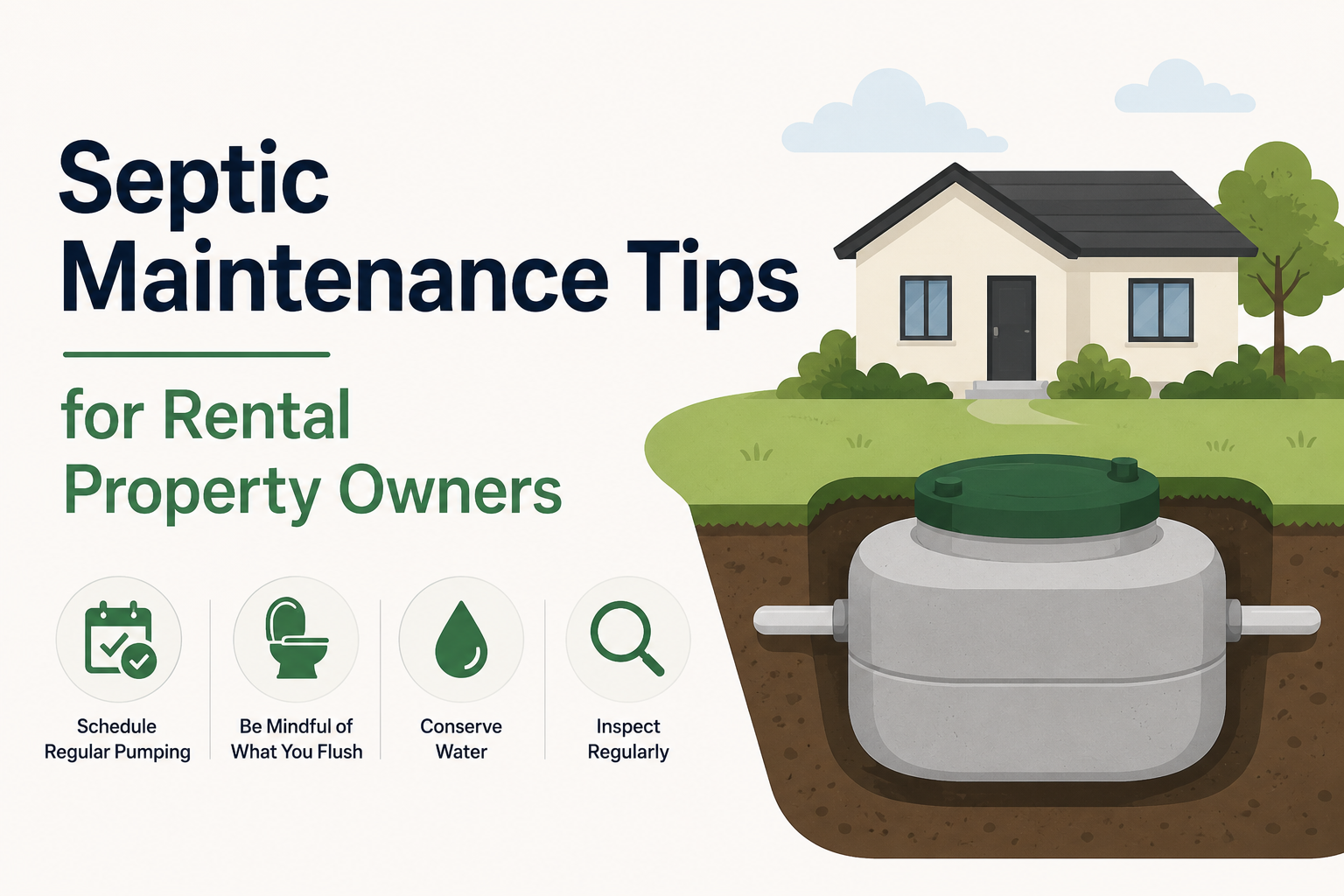
Emerging from Obscurity: The Intricacies of Septic Systems
A septic system, despite often existing in the unseen background of our everyday lives, plays a pivotal role in maintaining the health and harmony of both our homes and the environment. Essentially serving as an individualized sewage treatment plant, a septic system handles all wastewater that exits your property – from showers, sinks, washing machines, dishwashers and toilets.
This intricate subterranean infrastructure, composed primarily of a septic tank and drain field (or leach field), functions together to segregate solid waste from liquid waste. The septic tank is the primary receptacle for all household wastewater.
Inside this vessel, solids gradually sink to form a sludge layer while fats and oils rise to create scum on the surface. The separated liquid effluent then drains into a series of underground pipes known as the drain field.
This drain field disperses the effluent into surrounding soil which effectively filters out harmful bacteria and viruses before it reaches groundwater resources. Ultimately, when working optimally, this process sanitizes wastewater through natural means making it harmless to local ecosystems.
The Silent Sentinel: The Crucial Role of Septic Maintenance for Rental Property Owners
As rental property owners or property managers where septic systems are involved, comprehensive understanding of these systems becomes not just beneficial but vital. Unsuspecting tenants may inadvertently cause damage due to lack of knowledge about proper use or warning signs of malfunctioning systems.
Therefore proactive education becomes a significant component in preventing costly repairs or replacements in future. Frequent inspection by qualified professionals can preemptively identify potential problems before they escalate into substantial predicaments requiring drastic measures such as total system replacement – an undertaking that can be both financially burdensome and disruptive to your tenants’ lives.
Early identification enables minor issues to be addressed immediately, maintaining the overall health of your septic system and safeguarding your investment. Additionally, strict adherence to routine maintenance schedules not only ensures the long-term functionality of your septic system but also protects you as a landlord.
By assuring compliance with local health codes and regulations, you can avoid potential fines or even lawsuits that could arise from negligence. Furthermore, by prioritizing the wellness of your property’s septic system, you fortify tenant satisfaction and retention rates – an invaluable asset in today’s competitive rental market.
Understanding the Basics of Septic Systems
The Fundamental Framework of Residential Waste Disposal
The septic system, an essential fixture in many residential properties, particularly those situated in rural areas without centralized sewer systems, is primarily designed to treat and dispose of household wastewater efficiently. Before delving into the specific components and their respective roles within this intricate system, it is necessary to comprehend its basic structure and function on a more holistic level.
A septic system typically consists of two major parts: a septic tank and a drain field (also referred to as a leach field or soil absorption field). The primary role of this system is to separate solid waste from liquid, facilitate the breakdown of organic matter through bacterial action, and safely distribute the treated wastewater back into the surrounding environment.
Understanding each part’s function helps property owners recognize potential issues before they become significant problems. Awareness also promotes better maintenance practices that prolong the life span of the entire system.
Components and Functions of a Septic System
The Septic Tank: The Primary Processor
The septic tank serves as the first stage in processing household wastewater. It is typically constructed from concrete or fiberglass and buried underground for safety reasons. Its primary purpose is to house waste material long enough for solids to settle at the bottom — forming sludge — while fats, oils, and greases float on top — producing scum.
Within this enclosed environment, naturally occurring bacteria begin breaking down solid matter into simpler substances. However, certain materials like plastic or non-biodegradable items cannot be processed in this way and hence are retained within the tank until pumped out during regular maintenance.
The Drain Field: An Essential Distributor
Beyond the septic tank lies another crucial component known as the drain field or leach field. This component consists of perforated pipes laid on a bed of gravel and covered with soil. Once wastewater has been partially treated in the septic tank, it moves into the drain field.
Here, further treatment occurs as bacteria in the soil break down remaining organic material. The drain field also serves as a natural filtering system for the liquid effluent emerging from the septic tank.
As this fluid percolates through layers of soil, harmful bacteria and viruses are removed before it eventually reaches groundwater. A well-functioning drain field is vital to maintaining both environmental health and system functionality.
The Soil Absorption System: Nature’s Filter
The final major component is less physically distinct but equally critical — the soil absorption system – composed by the natural soils surrounding and underlying the drain field. This component plays an indispensable role in treating wastewater before it returns to groundwater systems.
The soil filters out coarse solids suspended in effluent that manage to escape from both septic tank and drain field processing. During this filtration process, chemical reactions occur that neutralize many disease-causing organisms or pathogens present within wastewater.
How a Properly Functioning Septic System Works
A Resilient Cycle of Waste Management
In a healthy septic system, all components work together seamlessly to provide efficient waste management for your property. Waste produced within your home flows first into the septic tank where it begins its degradation journey by bacterial action under anaerobic conditions. As newly introduced waste enters, equal volumes of liquid are displaced into the drain field through outlet pipes for further processing; such a mechanism ensures balance within this closed-loop system while preventing overburdening at any stage.
Within the drain field, additional decomposition and filtration occur courtesy of microbial life present in soils surrounding these perforated pipelines before finally reaching an environmentally safe state ready for reintroduction into local groundwater supplies. In essence, understanding these key aspects prepares rental property owners for informed decision-making around septic system maintenance, efficiently addressing issues that may arise, and ensuring the longevity of their septic systems.
The Indispensable Nature of Regular Septic Maintenance for Rental Properties
Regular septic maintenance is not merely an optional endeavor for savvy rental property owners. Rather, it’s a crucial part of owning and managing a successful rental property.
A well-maintained septic system is an invisible asset, quietly carrying out its duties beneath the surface. Conversely, a poorly maintained septic system can become an expensive and highly visible liability.
Think about it: the proper functioning of toilets, sinks, showers — essentially every water-reliant appliance in your rental property — hinges on the integrity of your septic system. Thus, regular maintenance becomes essential in ensuring the smooth operations within your property.
Moreover, recognizing that different properties will have different needs based on variables such as age and usage level is imperative. These factors must be assessed to determine what constitutes “regular” maintenance for each specific case.
The Prudent Path: Preventing Costly Repairs or Replacements
A poorly maintained septic system is a disaster waiting to happen — one that can come accompanied by exorbitant repair or replacement costs. A new septic system installation can run into tens of thousands of dollars—a significant hit even for the most financially secure property owners. Maintenance activities like routine check-ups and pumping can help identify potential problems before they blossom into full-blown crises.
For instance, regular pumping can prevent solid waste from escaping from the tank into the drain field where it could cause irreparable damage requiring costly repairs or replacements. Besides these monetary considerations, preventive maintenance also saves you from unnecessary stress and headaches that are bound to arise from dealing with a malfunctioning septic system–a value whose worth cannot be overstated.
Prioritizing Tenant Satisfaction: The Cornerstone Of Successful Property Management
Tenant satisfaction is a paramount responsibility of a property manager and the state of the septic system plays a crucial role in this regard. A malfunctioning septic system can result in unsightly and foul-smelling conditions, not to mention potential health risks.
Such circumstances will no doubt lead to dissatisfied tenants who may decide not to renew their leases, thereby increasing your turnover rate and potentially tarnishing your reputation. On the other hand, ensuring that septic systems are well-maintained contributes positively towards tenant satisfaction.
Apart from preventing unpleasant scenarios, it subtly communicates to your tenants that their health, comfort, and safety are important to you—factors that can increase lease renewals and referrals. Moreover, by educating tenants about proper septic use as part of your maintenance plan, you also involve them in maintaining the property’s integrity while fostering better landlord-tenant relationships.
Compliance with Health Regulations: A Non-negotiable Aspect
Septic systems aren’t just about convenience; they’re also about public health. Improperly maintained or failing septic systems can contaminate local water sources with harmful bacteria and viruses leading to public health risks.
Accordingly, there are laws and regulations at both state and local levels designed to protect public health by regulating septic systems’ operation. Regular maintenance helps ensure that your rental properties comply with these regulations thereby avoiding potential legal problems or fines which could impact your bottom line.
It also demonstrates responsible stewardship towards preserving environmental integrity—a factor that is becoming increasingly important for many modern tenants. Regular septic maintenance for rental properties isn’t just good practice—it’s an essential part of being a responsible property owner mindful of financial prudence, tenant satisfaction, legal compliance as well as environmental protection.
Essential Septic Maintenance Tips for Rental Property Owners
The Need for Regular Inspections and Pumping
In the realm of property management, one of the crucial tasks often overlooked is the regular inspection and pumping of septic systems. Experts suggest that a septic system should be examined by a reputable professional every three to five years, depending on its size and the number of occupants within the property. This frequency ensures that potential issues are identified promptly before they escalate into expensive repairs or replacements.
More so, during these inspections, professionals also determine when pumping is necessary. The pumping process involves removing sludge and scum that has accumulated over time in the septic tank to prevent it from overflowing or leaking into surrounding areas.
Failure to do this can result in serious health hazards due to exposure to untreated wastewater. Finding a competent professional for these tasks is essential.
It would be prudent to seek out individuals who hold certifications from esteemed bodies in wastewater treatment work or have considerable experience and positive customer feedback. This diligence will ensure that your system gets optimal care.
Educating Tenants: A Proactive Approach
Equipping your tenants with information about proper septic system use can significantly prolong its lifespan while ensuring smooth operation. Among the essential points to emphasize is what can and cannot go down their drains.
Remind tenants regularly not to flush non-biodegradable items such as diapers, feminine products, cigarette butts, or household chemicals down their drains as these can block pipes leading to backups and other costly repairs. Further stress on avoiding grease or oil disposal into kitchen sinks as they solidify in pipes leading to obstruction.
Additionally, educate them on water conservation practices such as using low-flow fixtures and appliances as well as spacing out water-intensive chores over several days. These measures help prevent overloading the septic system which could accelerate its deterioration.
Strategic Landscaping: An Often Overlooked Aspect
Landscaping around the drain field is a delicate matter that requires careful planning. The safe bet would be to grow grass over the area as it aids in evapotranspiration and enhances the system’s performance.
However, if you wish for more variety, opt for shallow-rooted plants that are not water-loving as these will not interfere with the drain field. On the other hand, deep-rooted trees or shrubs pose a significant risk.
Their roots can infiltrate and damage septic system components leading to expensive repairs or even total replacement of the system. Always remember to consult with landscaping or septic professionals before making any major changes in vegetation around your drain field.
Spotting Signs of Potential Problems Early On: The Art of Proactive Vigilance
An integral part of septic system maintenance is being proactive rather than reactive. By monitoring your system regularly, you can identify potential issues before they develop into serious problems, thus saving time and money in the long run.
This involves not just professional inspections, but also keen observation from either you or your tenants. It’s essential to encourage your tenants to report any irregularities promptly.
Remember, minor inconveniences such as slow drains could signify bigger underlying problems. Timing is crucial in these instances; the faster an issue gets fixed, the less destructive it becomes.
Educate yourself and your tenants about what normal operation looks like so that any deviations can be noted immediately. A well-maintained septic system should operate smoothly without producing a foul odor or causing backups.
Identifying Common Symptoms Of Failing Or Overburdened Septic Systems: The Tale-Tale Indicators
While every septic system is unique and may present with different issues based on its specific conditions and usage patterns, there are several red flags that universally indicate a failing or overburdened septic system. Firstly, water backup is one of the most easily recognized signs. If sinks or toilets drain slowly or water comes back up, it’s indicative of a problem in the septic tank.
Another major sign is pooling water around the drain field area – this could imply an overfilled tank or clogged pipes leading to it. Odor often accompanies these symptoms.
A well-functioning septic system should not emit unpleasant smells; therefore, if foul odors emanate from drains within the property or from around the tank or drain field outside, immediate attention is required. Unusually lush vegetation over your drain field might point toward a failing septic system too — excess nutrients leaking from an overburdened system can cause grass and plants in the area to grow more rapidly than elsewhere on your property.
How To Respond When These Symptoms Are Detected: Navigating Troubled Waters
Upon noticing any of these symptoms, the initial and most important step is to contact a septic system professional. Attempting to solve these issues without proper knowledge and tools can often result in further damage. While waiting for professional help, it’s advisable to reduce water usage as much as possible.
This helps prevent the tank from filling further, reducing the risk of sewage backup into your property or oversaturation of the drain field. If it’s a recurrent issue, you might want to consider whether an upgrade or replacement is in order.
Emerging technologies offer more efficient options that can handle larger volumes of wastewater with fewer complications. They might involve an upfront investment but could save considerable hassle, time, and expenditure down the line.
Remember always that septic systems are not just ‘install-and-forget’ parts of your property – they require regular care and attention to function optimally. As a rental property owner, protecting your investment means looking after every part of it – including what lies beneath.
Advancements in Septic System Technology: The Future of Waste Management
Emerging Technologies That Can Improve Efficiency And Longevity
As the maxim goes, “necessity is the mother of invention”, and the field of septic system technology is not exempt from this wisdom. In recent years, several new advancements have emerged that promise to revolutionize how we manage waste. One such innovative technology is nitrogen-reducing septic systems.
These systems are designed to decrease the amount of nitrogen that enters nearby bodies of water, thereby reducing potential harm to aquatic ecosystems. Biofilters are another groundbreaking development in septic system technology.
Biofilters utilize naturally occurring microorganisms to break down pollutants in wastewater more efficiently and thoroughly than conventional systems. These microorganisms supplement the function of a traditional septic tank, offering an extra layer of treatment before effluent reaches the drain field.
Moreover, aerobic treatment units (ATUs) reflect another stride towards improved efficiency and longevity in septic systems. ATUs introduce oxygen into the wastewater treatment process enhancing bacteria’s ability to decompose organic matter more rapidly and effectively.
Considerations for Upgrading Your Current System
While these technological advancements present exciting prospects for rental property owners looking to upgrade their septic systems, it is crucial first to consider a few key factors. Foremost among these considerations should be local regulations and standards governing wastewater management; ensuring your chosen system complies with these rules will save you potential legal headaches down the road.
Additionally, assessing your property’s specific needs and constraints is paramount before making any decisions about upgrades or replacements. For instance, properties with limited space may not be well-suited for certain types of advanced septic technologies that require larger installation footprints or specific soil conditions.
But no less importantly is considering cost implications – both upfront installation costs as well as long-term maintenance expenses associated with complex technical systems. While advanced septic technologies may offer more efficient waste treatment and longer system lifespans, they can also come with higher price tags and potential for costly repairs if not properly maintained.
Advancing septic system technology offers a wealth of opportunities for rental property owners to improve their wastewater management measures. By staying informed about the latest developments and carefully considering their specific needs and resources, property owners can make savvy decisions that benefit both their bottom line and the environment for years to come.
Conclusion: The Value of Active Septic System Management
A Cost-Effective Approach to Property Management
The diligent maintenance of septic systems in rental properties is not merely a regulatory requirement, but also a cost-effective approach to property management. Regular check-ups and servicing can help to prevent costly repairs, enabling landlords to allocate their financial resources more efficiently.
As proverbial wisdom would have it, ‘a stitch in time saves nine’. By investing in the upkeep of your septic system today, you are essentially mitigating substantial repair charges that may arise from neglect further down the line.
Maintaining High Tenant Satisfaction
Moreover, an effectively functioning septic system significantly contributes to tenant comfort and satisfaction. As a landlord or property manager, your primary objective should be ensuring that tenants enjoy living in your rental property, and proper sanitation plays an indispensable role in this aspect. A poorly managed septic system poses not only health risks but can also cause inconveniences like foul odors and sluggish drains which impact negatively on tenant satisfaction.
Contributing To Environmental Sustainability
Yet importantly is the contribution towards environmental sustainability that a well-maintained septic system provides. When properly managed, these systems filter out harmful bacteria from wastewater before it rejoins the natural water cycle; thereby playing a significant part in preserving our environment’s health. Proactive management of septic systems is an investment worth every penny for rental property owners.
It assures financial efficacy through prevention of high repair costs, enhances tenants’ living experience thus promoting longevity of tenancy agreements and plays a vital role in environmental conservation efforts. This trifecta makes active septic system management an excellent habit for every astute real estate investor or manager.