





















As we move deeper into the digital age of 2026, the concept of Video-on-Demand (VOD) has evolved far beyond simple media delivery. It is now a complex intersection of high-bandwidth networking, content curation, and, increasingly, advanced cybersecurity. In an era where the average internet user is constantly monitored by invasive tracking algorithms and data-hungry tech conglomerates, the demand for secure, private streaming environments has reached a tipping point. The modern digital consumer is no longer just looking for a library of content; they are looking for a sanctuary where they can consume media without leaving an indelible digital footprint.
The primary challenge in the current streaming landscape is the erosion of user privacy. Most mainstream platforms operate on a business model that treats user data as the primary product. From the moment a user logs in, every search, every click, and every second of watch time is logged, analyzed, and often sold to third-party data brokers. This granular level of surveillance is used to create incredibly detailed behavioral profiles. For many, this has led to a state of “privacy fatigue,” where users feel they must sacrifice their personal data in exchange for entertainment. However, a significant shift is occurring as more individuals seek out independent platforms that prioritize anonymity by design.
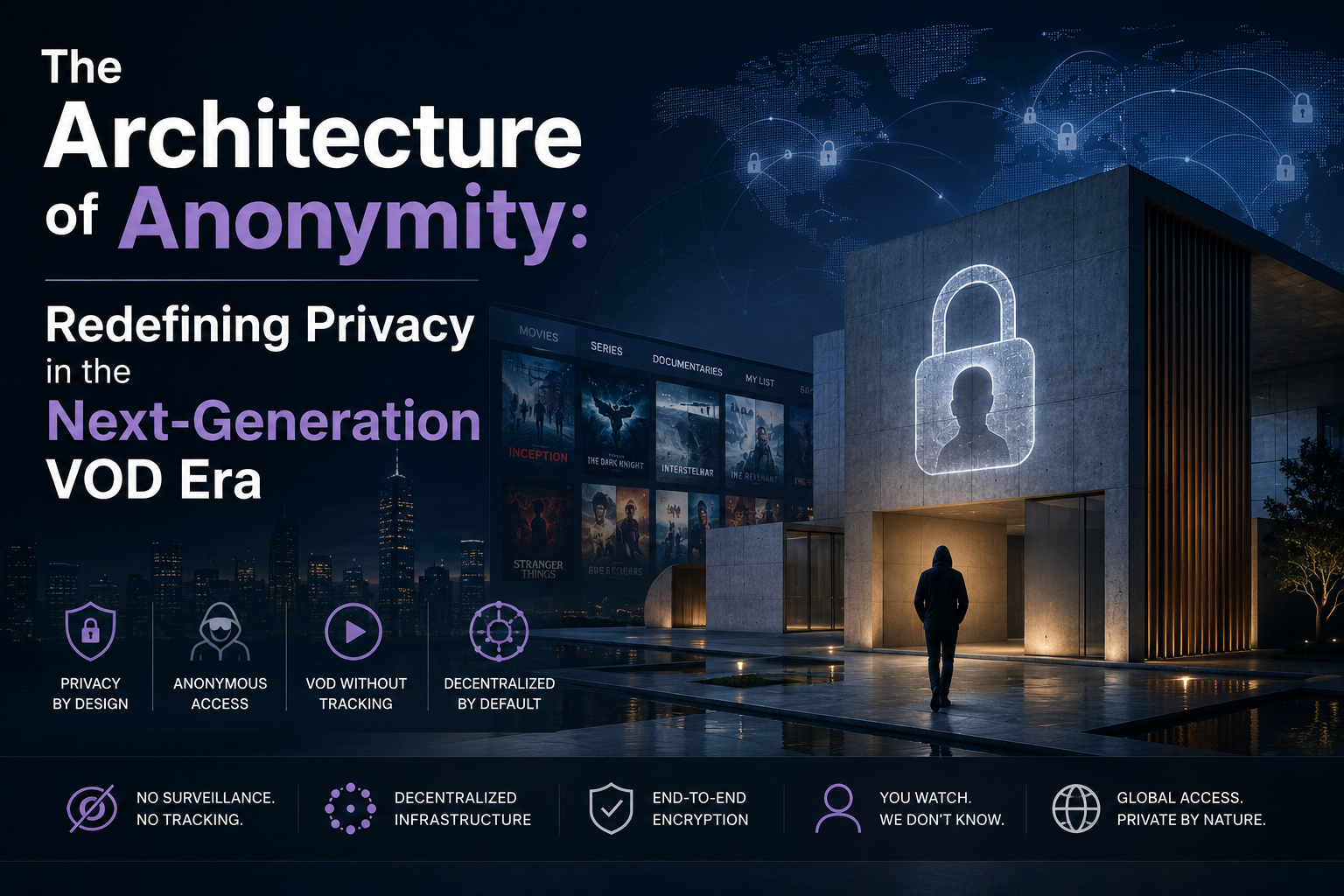
The technical foundation of a truly secure streaming network is built on the principle of minimal data retention. Unlike traditional platforms that require extensive user profiles and link every action to a verified identity, next-generation private portals utilize secure server configurations that strip away personal metadata. By implementing end-to-end encryption and purging temporary logs, these services provide a “Clean Room” environment. This ensures that a user’s viewing habits remain strictly confidential, protected from both corporate data mining and potential security breaches. This architectural shift is not just a niche preference; it is becoming a fundamental requirement for anyone who values their digital autonomy.
Beyond the ethical considerations of privacy, there is a major practical component: cybersecurity. The open web is unfortunately saturated with low-quality, ad-supported streaming sites that serve as primary vectors for malware, ransomware, and phishing attacks. These sites often use deceptive UI elements—such as “fake play buttons”—that trigger malicious redirects or silent script executions. For the average user, distinguishing a safe site from a dangerous one is a constant struggle. A professionally managed and anonymous video hub mitigates these risks by acting as a verified gateway. Every outbound link is manually tested for safety and latency, ensuring that the user’s device remains secure and their connection remains private.
This evolution is particularly relevant when navigating specialized or regional content. Often, global search engines struggle to index high-quality regional media, instead surfacing low-value mirror sites that are rife with security flaws. To bypass this, savvy netizens are turning to centralized, secure directories that offer direct, high-speed routes to verified servers. When navigating through a trusted portal like https://dodo-girl.com/, the user experience is dramatically improved. The friction of the search process is replaced by the speed of a curated selection, allowing for immediate access to high-bandwidth media without the usual technical hurdles.
The mobile browsing revolution has also played a critical role in this shift. On mobile devices, where battery life and data efficiency are paramount, the heavy tracking scripts and intrusive advertisements found on mainstream sites can be incredibly draining. Private streaming portals are typically built with a minimalist, “mobile-first” philosophy. By prioritizing the video stream over the advertisement scripts, these platforms offer a lightning-fast user interface that performs exceptionally well even on limited network conditions. This focus on performance through simplicity is a hallmark of modern digital design.
Furthermore, the social aspect of digital media is changing. As people become more aware of the risks of public social media profiles, they are moving toward smaller, private communities centered around shared interests. These niche environments require secure streaming infrastructures that allow for high-quality media sharing without the risk of public exposure. The ability to engage with content in a secure, private, and high-performance environment is becoming a key differentiator in the crowded digital market.
Ultimately, the future of the internet is not just about having more data; it is about having better-organized and more secure data. As we look toward the future, platforms that champion user privacy, offer high-speed delivery, and maintain the highest cybersecurity standards will be the ones that earn the trust of the global audience. Digital curation is no longer just a luxury—it is an essential component of modern internet navigation. By choosing to engage with verified and private hubs, digital consumers are reclaiming their right to a secure and anonymous online experience. The transition from “searching” to “accessing smarter” is the defining trend of the 2026 digital landscape.