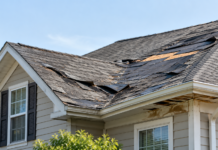





















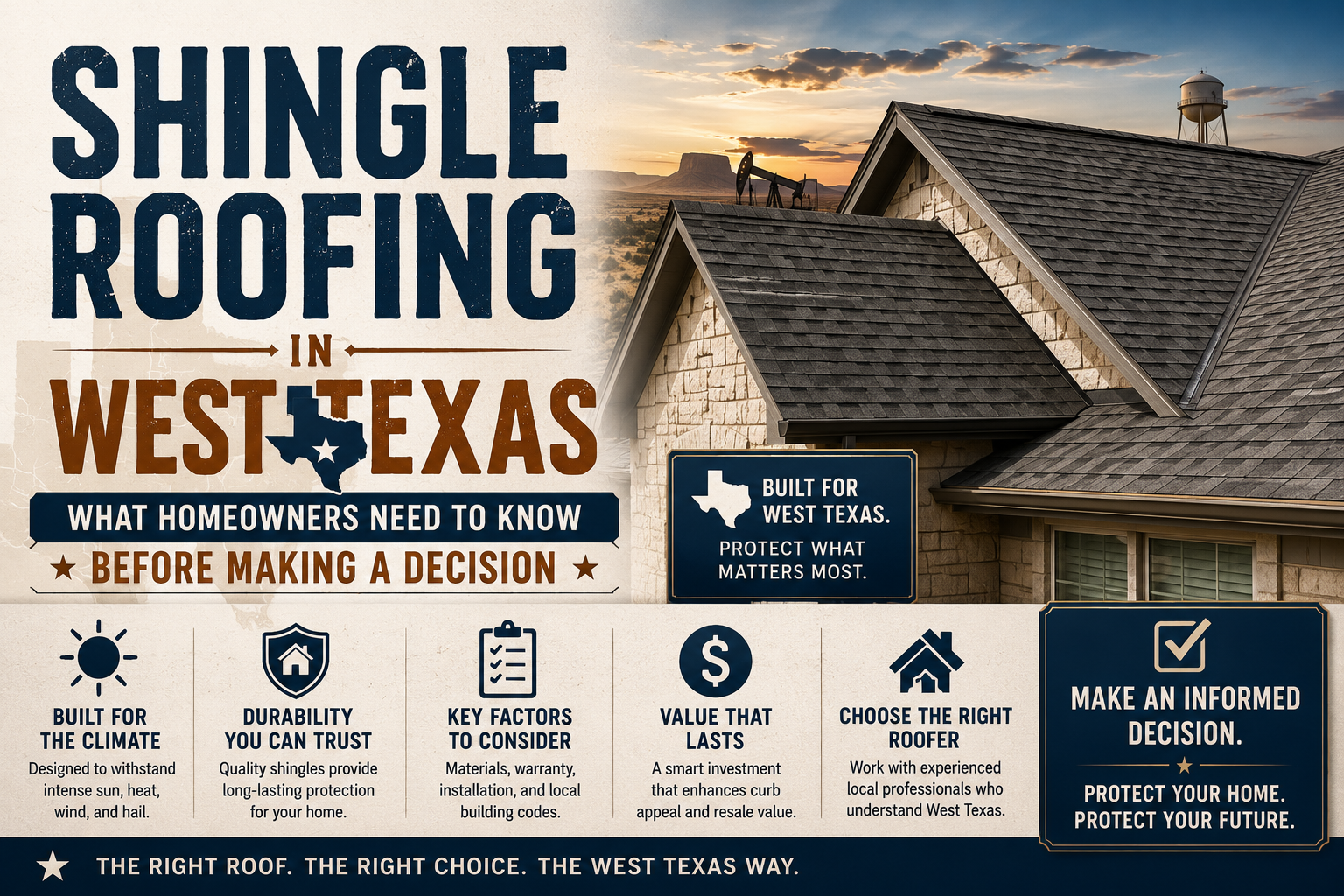
For most homeowners in the Texas Panhandle, asphalt shingles are the default roofing choice — and for good reason. They’re cost-effective, widely available, and backed by a well-developed installation ecosystem. But not all shingles are created equal, and in a climate as demanding as West Texas, the decisions you make about shingle type, grade, and installation quality have a direct impact on how long your roof lasts and how well it holds up when severe weather arrives.
Understanding the options available and what actually differentiates them is the kind of knowledge that pays off whether you’re replacing an aging roof, recovering from storm damage, or simply planning ahead. And starting that conversation with an experienced Amarillo TX roofing specialist early — before urgency forces a rushed decision — is almost always the better path.
The Three Main Shingle Categories
Asphalt shingles fall into three broad categories, each with meaningful differences in performance and price.
Three-tab shingles are the most basic option. They’re flat, lightweight, and inexpensive — but they carry the shortest lifespan of the three types, typically 15 to 20 years under normal conditions. In the Texas Panhandle, where UV exposure is intense and hail is a recurring reality, that timeline is often shorter in practice. Three-tab shingles also carry lower wind resistance ratings, generally around 60 to 70 mph, which is a genuine concern in a region where severe thunderstorm gusts regularly exceed those speeds.
Architectural shingles, also called dimensional or laminate shingles, are the current standard for residential construction in most of the country. They’re thicker than three-tab shingles, constructed from multiple bonded layers, and designed to create a textured, dimensional appearance that adds visual appeal alongside performance. Wind resistance ratings for architectural shingles typically start at 110 mph and go higher with premium lines. Lifespan in moderate climates runs 25 to 30 years, though Panhandle homeowners should plan for the lower end of that range given the regional climate conditions.
Premium or designer shingles represent the high end of the asphalt category. These products are engineered to mimic the appearance of slate, wood shake, or tile while delivering enhanced impact and wind resistance. Many premium shingle lines carry Class 4 impact resistance ratings — the highest available — which is particularly relevant in hail-prone markets. The price premium over standard architectural shingles is real, but so is the performance difference and the potential insurance discount that Class 4 rated products can unlock.
Why Impact Resistance Ratings Matter in the Panhandle
The UL 2218 impact resistance classification system rates roofing materials from Class 1 through Class 4 based on their ability to withstand simulated hail impacts. Class 4 — the top rating — requires a material to survive impact from a two-inch steel ball dropped from 20 feet without cracking or fracturing.
In a region that sits within one of the most active hail corridors in North America, this rating isn’t a marketing detail — it’s a meaningful measure of how a shingle will perform in actual conditions. Class 4 shingles won’t eliminate hail damage entirely in the most extreme events, but they dramatically reduce the likelihood of functional failure that leads to leaks and interior damage.
Many Texas homeowners’ insurance carriers offer premium discounts for homes with Class 4 rated roofing systems. Depending on the carrier and policy, those discounts can offset a meaningful portion of the cost difference between standard and impact-resistant shingles over the life of the roof. Before finalizing any material selection for a roof replacement, it’s worth a direct conversation with your insurance provider about what discounts apply and what documentation they require.
Installation Quality Is Half the Equation
The best shingles on the market will underperform if they’re installed incorrectly. In the roofing industry, installation errors are far more common than most homeowners realize — and many of them aren’t visible from the ground or even detectable until a weather event exposes the weakness.
Common installation failures include improper nailing patterns, inadequate underlayment, poorly sealed flashing around penetrations and valleys, and insufficient attic ventilation. Each of these issues can dramatically shorten a roof’s effective lifespan and create conditions for water infiltration that compounds over time.
This is why manufacturer certification programs matter. Contractors who hold designations like GAF Master Elite or CertainTeed SELECT ShingleMaster have demonstrated adherence to installation standards that less credentialed competitors haven’t verified. They can also offer enhanced warranty products — system warranties that cover both materials and labor — that aren’t available through non-certified installers.
Ventilation: The Factor Most Homeowners Overlook
Attic ventilation has a direct and measurable impact on shingle lifespan, yet it’s one of the least discussed aspects of residential roofing. When an attic is inadequately ventilated, heat builds up in summer to temperatures that can exceed 150 degrees Fahrenheit. That sustained heat accelerates the drying and cracking of shingle materials from the underside — essentially aging the roof from within.
In winter, the dynamic reverses. Warm, moist air from the living space rises into a cold attic and condenses on structural surfaces, gradually damaging decking, insulation, and the underside of the roof assembly. Proper ventilation — balanced intake at the soffits and exhaust at the ridge — keeps air moving and temperatures regulated year-round.
If you’re replacing a roof and your contractor doesn’t assess or mention attic ventilation as part of the conversation, that’s a gap worth addressing directly. Installing new shingles over a thermally stressed attic environment without correcting the ventilation is a missed opportunity that shortens the life of your investment.
Choosing Wisely for the Long Term
Shingle selection in West Texas is ultimately a calculation that balances upfront cost, expected lifespan, storm performance, and insurance implications. For most homeowners, the step up from basic architectural shingles to a Class 4 impact-resistant product is worth serious consideration — particularly if the roof is being replaced after hail or wind damage and an insurance claim is already in play.
The right contractor will walk you through these options honestly, help you understand the total cost of ownership across different material tiers, and install whatever you choose with the craftsmanship that makes the manufacturer’s warranty meaningful. In a climate that tests roofs the way the Texas Panhandle does, that combination of informed material selection and quality installation is the closest thing to a guarantee that your investment will perform.