























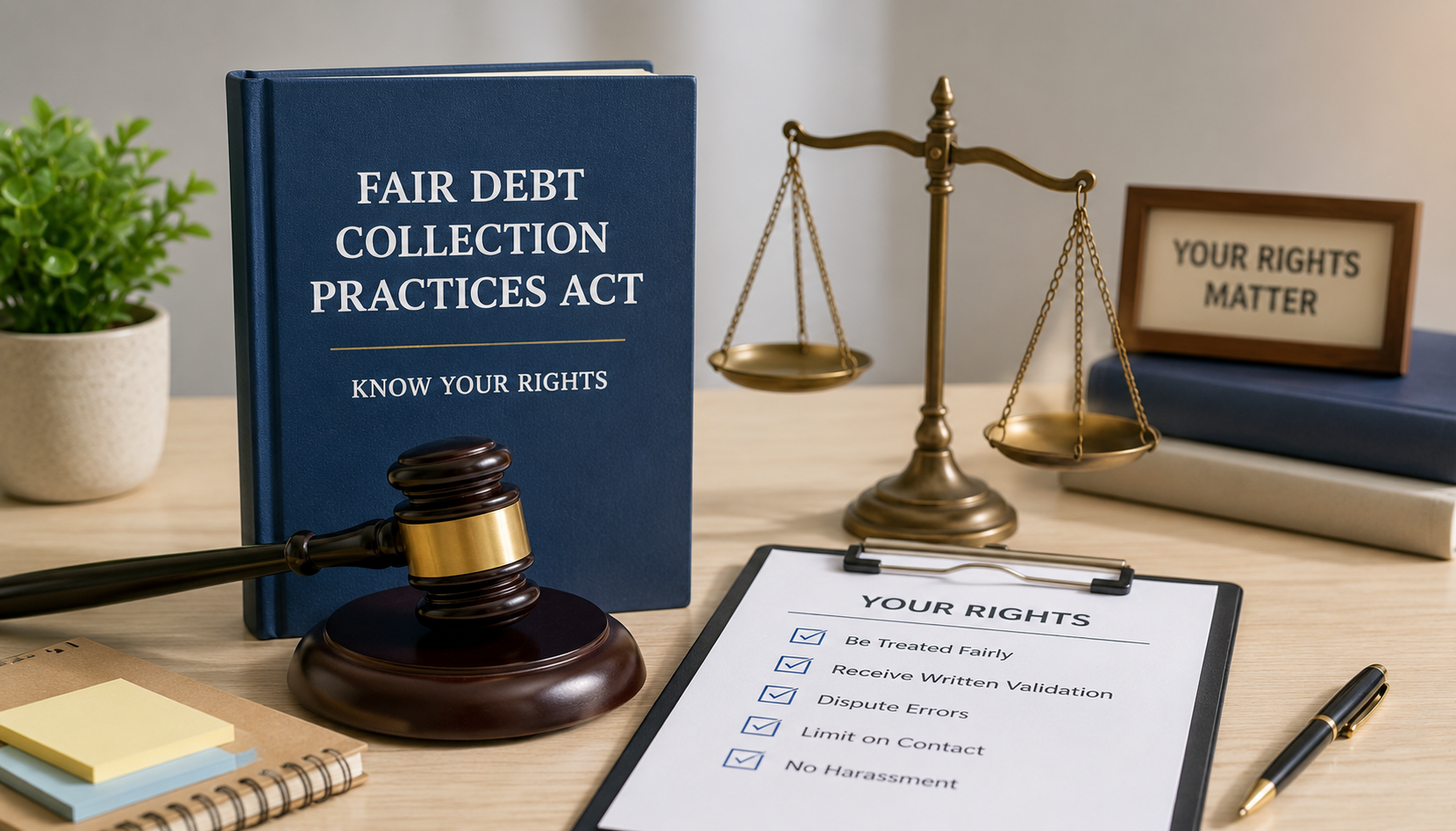
Aggressive debt collection practices cause significant stress and financial harm to consumers across the country. The federal Fair Debt Collection Practices Act (FDCPA) provides important protections that limit what debt collectors can do and give consumers meaningful remedies when collectors violate the law. Understanding these protections empowers consumers to respond effectively to abusive collection practices. Working with an experienced consumer protection attorney helps consumers assert their rights and recover damages when collectors violate the law.
Who the FDCPA Covers
The FDCPA generally applies to third-party debt collectors who collect debts owed to others rather than to original creditors collecting their own debts. This distinction affects which entities are subject to FDCPA restrictions. Debt buyers who purchase debts from original creditors typically qualify as debt collectors subject to FDCPA. Attorneys collecting debts for clients qualify as debt collectors.
The FDCPA applies to consumer debts arising from transactions primarily for personal, family, or household purposes rather than business debts. This coverage limitation affects some collection situations but includes most collection activity involving individual consumers. State laws in various jurisdictions extend similar protections to first-party creditors and business debts, providing broader protection in those states.
Communication Restrictions
The FDCPA imposes various restrictions on collector communications with consumers. Collectors cannot call at unusual times or places, defined as before 8 a.m. or after 9 p.m. local time or at times or places known to be inconvenient. Collectors cannot contact consumers at work if they know the employer prohibits such communications. Collectors must cease communications when consumers request in writing that they stop.
Collectors also cannot use various communication tactics including harassing or abusive language, threats of violence, use of obscenity, causing telephone to ring repeatedly to harass, or publishing lists of debtors. These communication restrictions create meaningful protections against collector abuse. Violations create legal claims that consumers can pursue with attorney assistance.
Prohibited False Representations
The FDCPA prohibits collectors from making various false or misleading representations. Collectors cannot falsely represent themselves as attorneys, government representatives, or credit bureau employees. Collectors cannot make false statements about debt amounts, legal status, or consequences of nonpayment. Collectors cannot threaten actions they do not intend to take or that cannot legally be taken.
These prohibitions apply broadly to various collector representations that could mislead consumers. Successful violation claims often arise from collector statements that overstated legal consequences of nonpayment, misrepresented debt validity, or created false urgency. Attorneys reviewing collection communications can identify potential violations that support consumer claims.
Third-Party Contact Restrictions
The FDCPA restricts when collectors can contact third parties about consumer debts. Collectors can generally contact third parties only to locate consumers and cannot disclose debt information to third parties without consumer consent. These restrictions protect consumer privacy and prevent collectors from using third-party contacts as pressure tactics.
Violations of third-party contact restrictions often involve calls to employers, family members, or neighbors that reveal debt information or that continue beyond legitimate location purposes. Attorneys evaluating collection situations look for these third-party contact violations that often accompany other collection abuses.
Debt Validation Rights
The FDCPA requires collectors to provide specific validation information within five days of initial communication. This validation notice must include the debt amount, the creditor’s name, and information about the consumer’s right to dispute the debt. Consumers who dispute debts in writing within thirty days can require collectors to verify debts before continuing collection activities.
Debt validation is a powerful tool for consumers because collectors sometimes cannot produce adequate verification, particularly for debts that have been sold multiple times or that have inadequate documentation. Attorneys often recommend validation requests as an early step in responding to collection activity. Proper handling of validation issues can substantially affect collection outcomes.
Prohibited Collection Practices
The FDCPA prohibits various specific collection practices including collection of amounts not authorized by law or contract, acceptance of postdated checks under conditions designed to embarrass consumers, deposit of postdated checks before their date, and various other specific practices. These prohibitions address specific abuses that had become common in the collection industry.
Understanding these prohibitions helps consumers recognize potentially illegal collection activity. Attorneys familiar with FDCPA violations can identify practices that violate the law and support consumer claims. This attention to specific practices often reveals violations that would otherwise be overlooked.
Damages for FDCPA Violations
Successful FDCPA claims can result in actual damages, statutory damages up to $1,000 per case, and attorney’s fees. Actual damages compensate for economic and emotional harm caused by violations. Statutory damages provide a floor of compensation even when actual damages are difficult to prove. Attorney’s fee provisions support representation for cases that might otherwise be economically infeasible.
In class actions, statutory damages can be substantially higher, up to one percent of the collector’s net worth. These class action damages have driven substantial enforcement of the FDCPA against systematic violators. Attorneys experienced in FDCPA litigation understand how to evaluate both individual and class action claims.
Time Limits for FDCPA Claims
FDCPA claims must generally be filed within one year of the violation. This relatively short limitations period requires prompt evaluation of potential claims and filing before deadlines expire. Missing the limitations period generally bars claims regardless of merit.
Consumers considering FDCPA claims should consult with attorneys promptly after violations occur. Documentation of violations, preservation of evidence, and timely filing all support successful claims. Attorneys familiar with FDCPA practice can quickly evaluate potential claims and advise on appropriate action.
State Law Additions to Federal Protections
Many states have added additional protections beyond federal FDCPA requirements. California’s Rosenthal Fair Debt Collection Practices Act extends debt collection protections to first-party creditors and includes various additional protections beyond federal law. Similar state laws in various other jurisdictions provide additional consumer protections.
Attorneys evaluating collection situations consider both federal and state protections that may apply. State law claims can sometimes support recovery when federal law would not, or can provide additional damages beyond federal claims. Understanding the interplay between federal and state protections supports comprehensive representation.
The Practical Impact of FDCPA Assertion
Beyond specific damages recovery, asserting FDCPA rights often affects collection dynamics. Collectors facing informed consumers who cite FDCPA rights often become more cautious in their practices. Legitimate collectors seek to comply with the law rather than face violation claims. Illegitimate collectors sometimes cease collection activity when consumers assert their rights.
This practical impact often provides value beyond any specific damages recovery. Attorneys assisting consumers with collection issues often help clients assert their rights effectively, generating both improved treatment and potential damages claims. This dual value makes FDCPA representation particularly valuable for consumers facing collection abuse.
Working With Debt Collection Defense Counsel
Attorneys who focus on consumer protection and debt collection defense bring specialized knowledge that general practitioners often lack. Understanding the specific FDCPA requirements, patterns of collector violations, and effective strategies for asserting consumer rights supports better outcomes than general legal representation.
Many consumer protection attorneys work on contingency arrangements that allow consumers to pursue claims without upfront costs. This fee structure makes representation accessible to consumers who might not otherwise be able to afford legal help. Consumers facing collection issues should consider consulting with consumer protection attorneys even when they are uncertain whether they have viable claims.
The Broader Consumer Protection Framework
FDCPA protections exist within broader consumer protection frameworks that include Truth in Lending, Fair Credit Reporting, Electronic Fund Transfer, and various other laws. These various protections often overlap in ways that support multiple claims arising from single situations. Attorneys with broad consumer protection experience can identify all applicable claims and pursue comprehensive remedies.
The consumer protection framework continues to evolve as new laws, regulations, and interpretations address emerging consumer protection issues. Attorneys who maintain current knowledge of this evolving framework can advise consumers about newly available protections. This continuing legal development makes ongoing engagement with consumer protection resources valuable for consumers facing complex situations.
Class Action Considerations
Some FDCPA violations affect many consumers with similar collector conduct, creating potential class action claims. Class actions can support enforcement against systematic violators and can generate substantial statutory damages. Attorneys evaluating FDCPA cases consider whether class action approaches would better serve enforcement objectives than individual claims alone.
The Statute’s Continuing Relevance
The FDCPA continues to provide essential protections despite various changes in the collection industry over time. Modern collection practices sometimes attempt to exploit gaps in FDCPA coverage, but the fundamental protections remain valuable. Consumer protection attorneys stay current with evolving industry practices and applicable legal responses.
Enforcement of FDCPA rights supports broader consumer protection objectives that benefit consumers beyond individual complainants. Successful cases create precedents that shape collector conduct. Attorneys who pursue FDCPA cases contribute to broader marketplace fairness alongside serving individual clients.
This dual role of individual advocacy and broader systemic impact motivates continued FDCPA enforcement work by attorneys committed to consumer protection principles.
Consumers experiencing debt collection issues should not hesitate to seek professional evaluation of their situations even when they are uncertain about the strength of potential claims.