





















Employee leave management is one of the most routine parts of running a business, but it is also one of the most error-prone when done without the right systems. From tracking vacation balances to handling unexpected sick days to ensuring teams are not left short-staffed during peak periods, the complexity adds up quickly — especially as headcount grows.
This guide covers the fundamentals of effective leave management, what to look for in a software solution, and how to build a culture where time off is taken confidently and covered smoothly.
The Core Problem with Informal Leave Tracking
Most small teams start with informal leave tracking. Someone sends an email or a chat message, the manager remembers to update a shared spreadsheet, and things mostly work out. But this approach has fundamental weaknesses. It does not scale. It relies on individuals to remember updates. It provides no single source of truth. And it makes reporting on leave usage nearly impossible without significant manual effort.
When teams reach 15 to 20 people, informal systems typically start breaking down. Requests get missed. Balances drift from reality. Managers spend disproportionate time on questions that a well-configured system would answer automatically.
What a Good Leave Management System Does
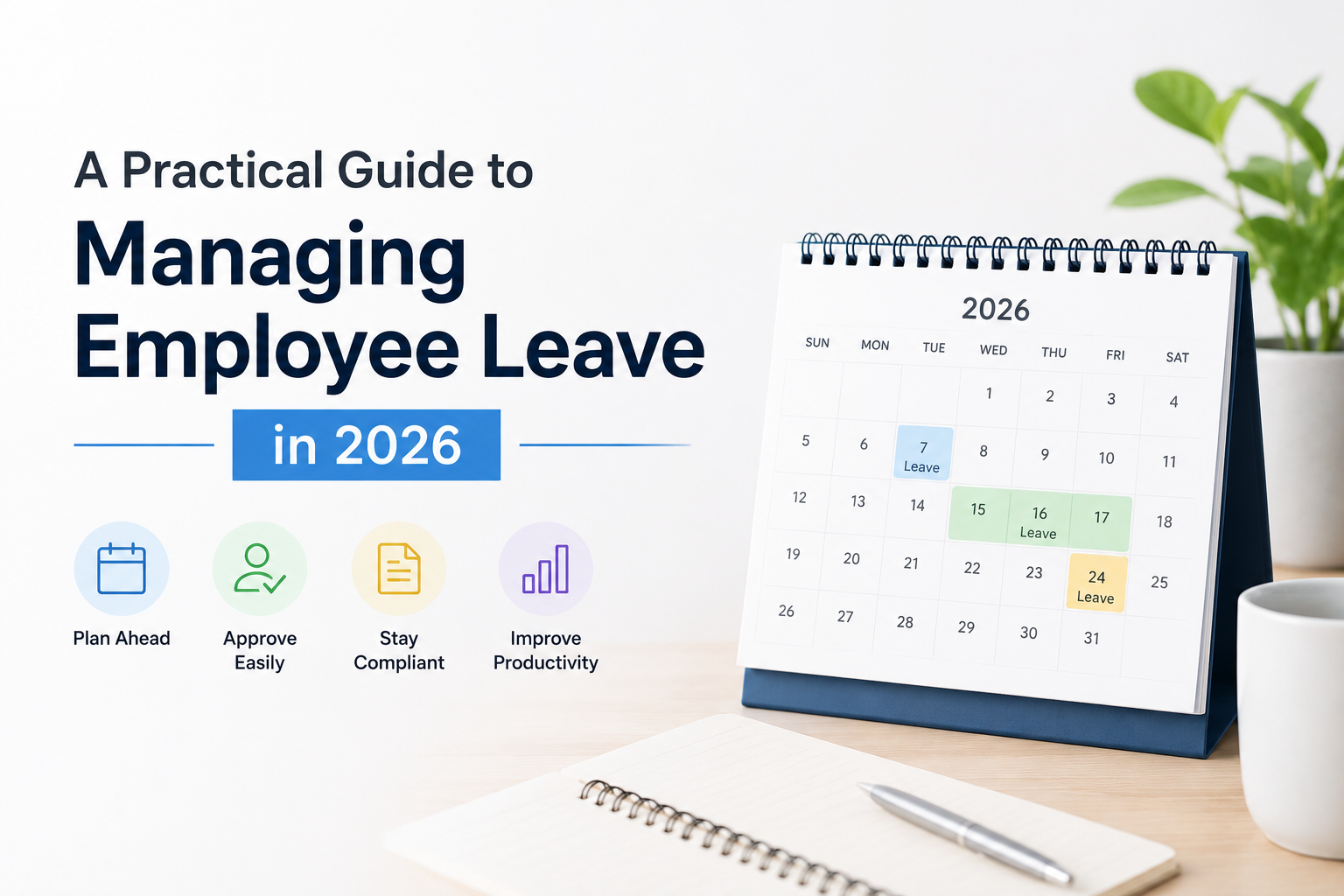
At minimum, a leave management system should handle four things: request submission, manager approval, balance tracking, and team visibility. Beyond that, the best systems also automate accruals, send timely notifications, integrate with calendars, and generate reports for payroll and compliance.
A purpose-built tool like actiPLANS covers all of these without requiring you to configure a full HR platform. The focus on leave management specifically means the interface stays clean and the core workflow stays fast — both critical for user adoption.
Understanding Absence Management
Leave management and absence management are related but distinct. Leave management covers planned, approved time off. Absence management encompasses the full picture: unplanned sick days, patterns of short-notice absence, Bradford Factor tracking, and the processes a manager uses to address concerning trends.
Getting absence management right requires more than just tracking. It requires a framework for identifying patterns, a policy for responding to them, and a way to document actions taken. A comprehensive absence management guide covers all of this — from setting absence triggers to structuring return-to-work conversations in a way that is both empathetic and legally defensible.
Evaluating Software Options
The market for leave and absence management tools ranges from lightweight standalone apps to modules inside enterprise HR suites. For most growing teams, a standalone tool offers the best balance of functionality and simplicity. Enterprise modules typically require significant IT involvement to configure and come with licensing costs designed for much larger organizations.
When comparing options, look at the number of leave types supported, how accruals are calculated, whether the approval workflow is configurable, and what integrations are available. It also helps to look at the breadth of what is available in the market before committing. A curated list of absence management software options makes it easier to compare solutions side by side rather than evaluating each one in isolation.
Building the Right Culture Around Leave
Software solves the process problem, but culture determines whether employees actually use their leave. Teams where managers visibly take and log their own time off, where requests are approved quickly, and where coverage plans are treated as a normal part of project planning tend to have lower rates of unplanned absence and burnout.
Establishing clear norms — how far in advance vacation requests should be submitted, what to do in case of unexpected illness, how handoffs work before time off — reduces the friction around leave for everyone. When the process is clear and well-supported, employees take the time they need, come back rested, and the business benefits from more consistent, sustainable performance.
Getting Started
If your team is still managing leave informally, the best time to switch is before the current system fails in a way that causes a real problem. Document your leave policy, choose a tool that fits your team size, and run a simple onboarding session. The upfront investment is small. The ongoing benefit — fewer errors, less admin time, better visibility — compounds over time.