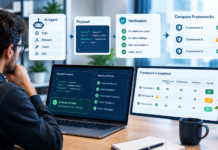





















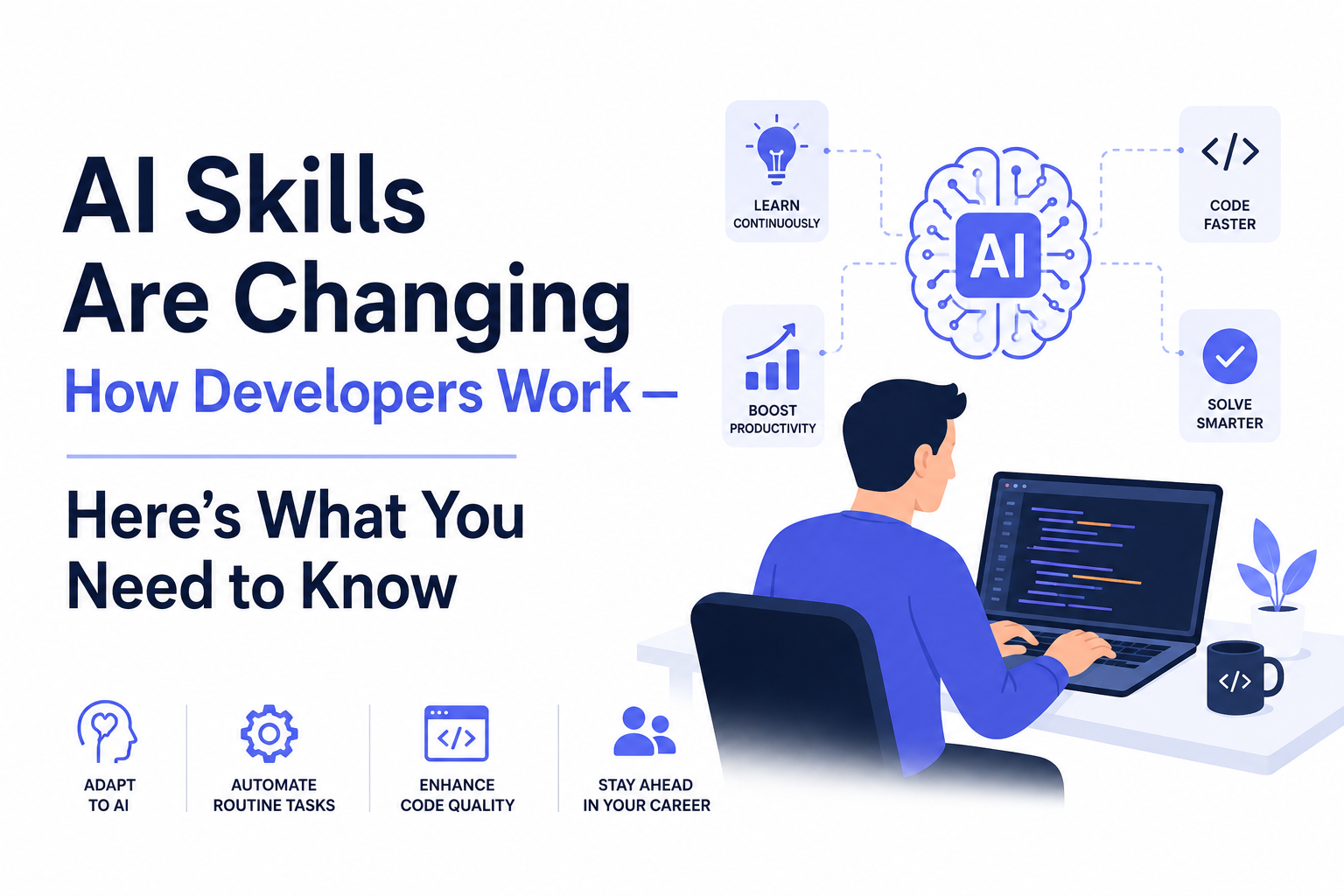
The way developers interact with AI coding assistants is evolving fast. It’s no longer just about asking an AI to write a function or fix a bug. With the rise of AI skills, structured instruction sets that give AI assistants specialized knowledge and behaviors, developers can now extend their AI tools with domain-specific expertise that rivals years of human experience.
This week’s skill discovery on DiscoverAISkills.com surfaced some of the most impressive examples yet. The top entry, Karpathy Guidelines, has accumulated over 116,000 GitHub stars. It distills Andrej Karpathy’s hard-won wisdom on building reliable AI systems into a format that Claude and other AI assistants can apply directly to your code. The second entry, Caveman, takes the opposite approach, enforcing radical simplicity and stripping away the over-engineering that AI assistants tend toward. Together, they represent two ends of a spectrum that every developer navigates daily.
What makes this moment particularly interesting is the breadth of use cases now covered. Earlier waves of AI skills were dominated by developer tools. This week’s discoveries include career management, TypeScript mastery, data visualization, game development, and even autonomous research that runs while you sleep. AI skills are becoming useful for everyone, not just engineers.
The full breakdown of this week’s top 10 discoveries, including install commands, star counts, and detailed descriptions, is available at the link below. If you work with Claude Code, Cursor, or any other AI coding assistant, at least a few of these are worth adding to your workflow.
For those new to the concept, an AI skill is essentially a SKILL.md file that you add to your project. When your AI assistant reads it, it gains specialized knowledge and follows specific behaviors for that domain. The best skills encode expertise that would otherwise take years to develop, like Karpathy’s ML debugging intuitions, or Matt Pocock’s TypeScript patterns.
The catalog at DiscoverAISkills.com now tracks hundreds of skills across every major AI coding platform. You can browse by platform, tag, or star count to find what’s relevant to your work. New skills are added weekly as the community continues to grow.
Browse the complete skills catalog: https://discoveraiskills.com/skills
Visit the homepage to explore all featured skills and weekly discoveries: https://discoveraiskills.com
Why AI Skills Matter for Modern Development
AI coding assistants are becoming more capable every month, but raw AI models still need guidance to perform consistently well. That is where AI skills become valuable. Instead of relying on generic prompts every time, developers can create reusable instruction frameworks that shape how the assistant behaves across an entire project.
For example, a frontend developer may use a TypeScript-focused skill that enforces strict typing standards and modern architecture patterns. A game developer might add a skill optimized for physics systems, rendering workflows, or multiplayer logic. These reusable instructions help maintain consistency while reducing repetitive prompting.
From Prompt Engineering to Workflow Engineering
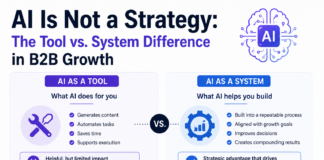
The industry is gradually moving beyond simple prompt engineering. Developers are now building structured AI workflows that combine custom skills, repositories, memory systems, and automation tools.
This shift changes how teams collaborate with AI. Rather than treating AI as a one-time assistant, many developers now view it as a long-term collaborator that can adapt to project requirements and coding standards. As AI skills become more advanced, they may eventually function like specialized digital teammates with expertise in specific domains.
This is especially important for startups and small teams that need to move quickly without sacrificing code quality. AI skills can help junior developers adopt senior-level practices while allowing experienced engineers to automate repetitive tasks.
Expanding Beyond Software Engineering
One of the most notable trends is that AI skills are no longer limited to coding. Skills now exist for research, writing, productivity, hiring, analytics, and creative workflows. This broader adoption means non-technical professionals can also benefit from structured AI expertise.
As more communities contribute open-source skills, the ecosystem is expected to grow rapidly. Developers who learn how to integrate AI skills effectively today may gain a significant productivity advantage in the years ahead.
Conclusion
AI skills are reshaping how people interact with coding assistants and productivity tools. By embedding domain expertise directly into AI workflows, developers can create smarter, more reliable systems that align with real-world project needs.
As the ecosystem continues to evolve, platforms like DiscoverAISkills.com are becoming valuable resources for discovering new ways to improve development workflows, automate tasks, and unlock the full potential of AI-assisted work.