





















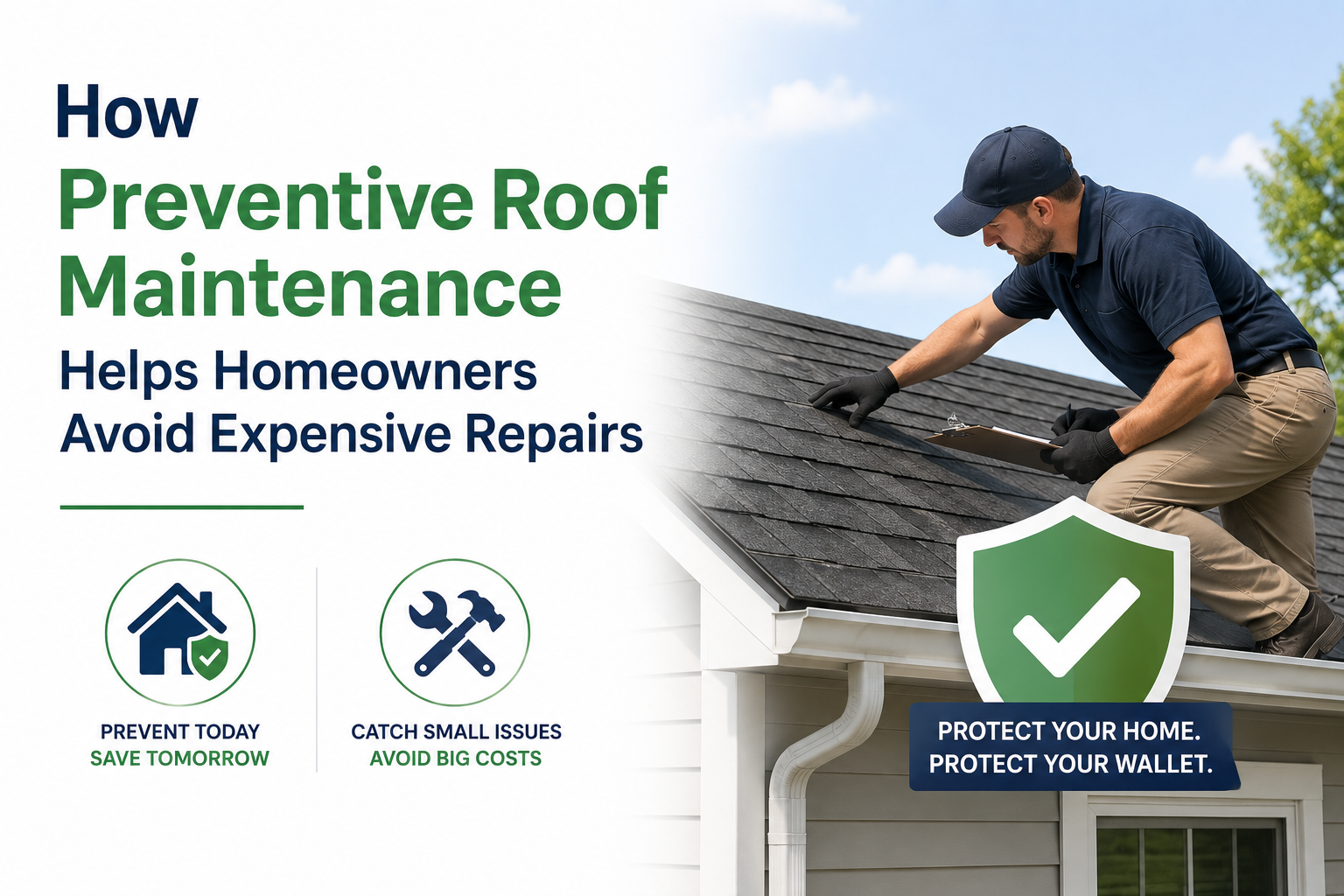
A roof is one of the most important systems protecting a home, yet it is often overlooked until a serious problem appears. Small issues such as loose shingles, clogged gutters, or flashing damage can quietly develop into costly repairs if they are not identified early. For homeowners, especially in regions that experience heavy rain, strong winds, and seasonal storms, routine roof maintenance can make a major difference in both long-term durability and overall property value.
Preventive maintenance is not just about fixing visible damage. It is about creating a proactive plan that keeps roofing systems functioning properly year after year. By understanding the warning signs of wear and investing in regular inspections, homeowners can avoid unexpected expenses and extend the life of their roofing materials.
Why Roof Problems Often Go Undetected
Many roofing issues begin in areas homeowners rarely see. Minor leaks can develop beneath shingles, moisture can collect around flashing, and ventilation problems can slowly weaken structural components over time. Because these issues usually start small, they may not become noticeable until water stains appear indoors or shingles begin falling away during a storm.
One of the most common mistakes homeowners make is assuming a roof is in good condition simply because there are no active leaks inside the house. In reality, roofing systems can experience gradual deterioration long before visible symptoms appear.
Common hidden roofing problems include:
- Damaged or curling shingles
- Loose flashing around vents and chimneys
- Water pooling near gutters
- Mold or mildew caused by trapped moisture
- Poor attic ventilation
- Small punctures from storm debris
- Aging sealants around roof penetrations
Regular inspections help identify these concerns before they become structural problems.
The Value of Seasonal Roof Inspections
Seasonal inspections are one of the most effective ways to maintain a roof’s performance. Weather conditions change throughout the year, and each season places unique stress on roofing materials.
Spring Inspections
After winter weather, roofs may have suffered damage from temperature fluctuations, wind, or heavy rainfall. Spring inspections can uncover cracked shingles, drainage issues, and moisture intrusion before summer storms arrive.
Summer Evaluations
High heat and prolonged sun exposure can weaken roofing materials over time. Summer is an ideal time to assess ventilation systems and check for signs of heat-related wear.
Fall Preparation
Before colder weather arrives, homeowners should clear gutters, inspect flashing, and ensure water can drain properly. Leaves and debris can trap moisture against the roof surface if left unattended.
Post-Storm Assessments
Strong storms can loosen shingles, damage gutters, and create hidden leaks. Even if damage seems minor, a professional inspection can help determine whether repairs are necessary.
Routine evaluations are especially important in areas where severe weather is common. Homeowners looking to better understand professional roofing inspections and maintenance strategies can visit their website for additional context on exterior protection and roofing services.
How Maintenance Extends Roof Lifespan
Roof replacement is one of the largest home improvement expenses many property owners face. While roofing materials are designed to last for decades, neglect can shorten their lifespan significantly.
Preventive maintenance helps preserve the integrity of roofing systems by addressing small issues early. Replacing a few damaged shingles or resealing flashing is far less expensive than repairing widespread water damage or replacing structural decking.
Consistent maintenance can help:
- Prevent moisture intrusion
- Reduce the risk of mold growth
- Improve drainage performance
- Maintain insulation efficiency
- Protect attic structures
- Preserve manufacturer warranties
- Delay the need for full replacement
When homeowners treat maintenance as an ongoing responsibility rather than a reaction to visible damage, roofing systems typically perform more reliably over time.
The Connection Between Gutters and Roof Health
Gutters play a larger role in roof protection than many homeowners realize. When gutters become clogged or damaged, water can overflow and seep into roofing materials, siding, and even the foundation.
Poor drainage often contributes to:
- Fascia board rot
- Ice dam formation in colder regions
- Soil erosion around the home
- Basement moisture problems
- Premature shingle deterioration
Keeping gutters clean and properly aligned helps direct water safely away from the property. Homeowners should also inspect downspouts regularly to ensure water flows freely during heavy rainfall.
In many cases, roofing and gutter systems work together as a single protective barrier. Ignoring one component can eventually compromise the other.
Signs It May Be Time to Schedule Professional Repairs
Even with consistent maintenance, roofing systems eventually require repairs. Recognizing early warning signs can help homeowners avoid emergency situations.
Some indicators that professional attention may be needed include:
Interior Warning Signs
- Water stains on ceilings
- Peeling paint near rooflines
- Mold growth in attic spaces
- Unexplained increases in humidity indoors
Exterior Warning Signs
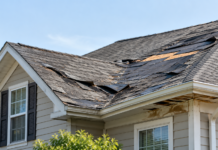
- Missing or cracked shingles
- Sagging roof sections
- Granule buildup in gutters
- Visible flashing separation
- Moss or algae growth
Homeowners should avoid climbing onto roofs without proper safety equipment and experience. Professional inspections are safer and often more thorough, especially after severe weather events.
Choosing Long-Term Protection Over Short-Term Fixes
Temporary repairs can sometimes provide short-term relief, but recurring problems usually indicate deeper issues within the roofing system. Long-term solutions focus on correcting the source of the problem rather than masking symptoms.
For example, repeatedly patching leaks without addressing deteriorated flashing or poor ventilation can lead to ongoing moisture damage. A comprehensive approach often produces better long-term results and reduces repeat repair costs.
When evaluating roofing solutions, homeowners should consider:
- The age of the roof
- The severity of existing damage
- Ventilation performance
- Drainage effectiveness
- Local weather conditions
- Material durability
- Energy efficiency goals
Investing in preventive care and quality workmanship can reduce stress and improve confidence during severe weather seasons.
Conclusion
Roof maintenance is not simply a seasonal task—it is an important part of protecting a home’s structure, comfort, and long-term value. Small problems rarely stay small for long, especially when exposed to rain, wind, heat, and changing temperatures throughout the year.
By scheduling regular inspections, maintaining gutters, monitoring warning signs, and addressing repairs early, homeowners can avoid many of the expensive issues that develop from neglect. A proactive approach not only extends roof lifespan but also helps preserve the overall integrity of the property for years to come.