





















The landscape of medical interventions has undergone a profound transformation over the past few decades. Where traditional open surgery once required large incisions and prolonged recovery periods, the advent of minimally invasive techniques has revolutionized patient care. At the forefront of this medical renaissance is the integration of robotics into the operating room. Leading medical centers, such as Liv Hospital, continually adopt advanced technologies to elevate the standard of care and ensure optimal patient outcomes. Among these innovations, one platform stands out as a paradigm-shifting tool for surgeons and patients alike, fundamentally changing the approach to complex medical procedures.
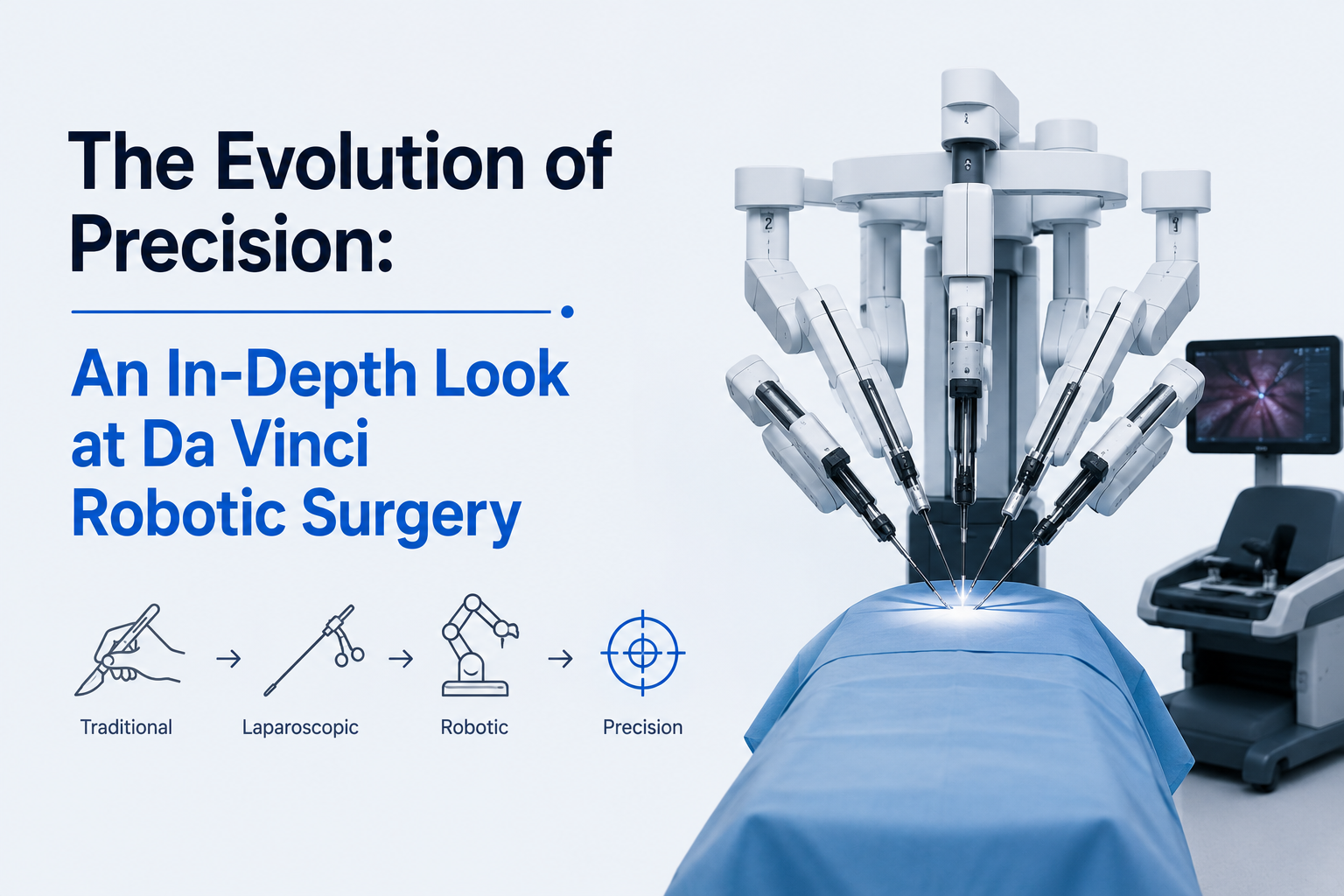
To grasp the magnitude of this advancement, one must look closely at Da Vinci Robotic Surgery. Developed by Intuitive Surgical, this sophisticated platform was designed to facilitate delicate operations using a minimally invasive approach. Since its initial approval by the Food and Drug Administration (FDA) in the year 2000, the system has been utilized in millions of procedures worldwide. It is crucial to dispel a common myth immediately: the robot does not perform the surgery autonomously. Instead, it functions as a highly advanced extension of the human surgeon. The system translates the exact hand movements of the operating physician into precise, micro-movements of specialized instruments inside the patient’s body. This synergy between human expertise and robotic precision defines the modern surgical landscape.
The architecture of this advanced medical platform comprises three integral components. First is the surgeon console, which serves as the command center. The operating physician sits at this console, situated just outside the sterile field, and views a highly magnified, high-resolution 3D image of the surgical site. The console is equipped with master controls that capture the surgeon’s hand and wrist movements. Second is the patient cart, positioned directly alongside the operating table. This cart holds the specialized robotic arms that manipulate the surgical instruments, which are introduced into the patient’s body through incisions no larger than a keyhole. The instruments feature articulated “wrists” that bend and rotate far beyond the natural capabilities of the human hand, offering seven degrees of freedom. Finally, the vision cart integrates advanced optical systems, providing a brilliantly illuminated, magnified view that allows the medical team to see microscopic details, including tiny blood vessels and nerves, ensuring meticulous preservation of healthy tissue.
The shift toward this advanced operative technique brings a multitude of benefits specifically tailored to improve patient recovery. Because the procedure requires only a few small incisions rather than a major opening, the physical trauma to the body is significantly minimized. Consequently, patients typically experience substantially less postoperative pain and require fewer narcotic pain medications. The smaller incisions also inherently reduce the risk of surgical site infections and lead to significantly less blood loss during the procedure, frequently eliminating the need for blood transfusions. Furthermore, the cosmetic outcome is vastly improved, as the tiny keyhole scars are far less noticeable than those left by traditional open procedures. Most importantly, this minimally invasive approach usually translates to a shorter hospital stay. Patients are often discharged within days, or sometimes even hours, and can return to their normal daily activities and work much faster than traditional surgical recovery timelines would allow.
The versatility of this robotic platform allows for its application across a wide array of medical disciplines. In the field of urology, it has become the gold standard for procedures such as radical prostatectomy, offering exceptional nerve-sparing precision that aids in the preservation of vital bodily functions. Gynecologists frequently utilize the system for complex hysterectomies, myomectomies, and the surgical treatment of severe endometriosis. General surgeons employ the technology for hernia repairs, gallbladder removals, and intricate colorectal surgeries. Additionally, its use is expanding rapidly into thoracic and cardiac disciplines, where surgeons must navigate the delicate structures of the chest cavity with enhanced dexterity.
As medical technology continues to advance, the integration of robotics will undoubtedly expand, bringing even more refined instruments, enhanced imaging capabilities, and potentially incorporating artificial intelligence to assist in preoperative planning. The ongoing refinement of these platforms ensures that surgical interventions become progressively safer and less intrusive. The synergy of human medical expertise and robotic capability marks a definitive leap forward in healthcare, ensuring that patients facing complex conditions have access to the most precise, effective, and minimally traumatic options available in modern medicine.