





















Unveiling the Mystery of Plaster: A Comprehensive Definition
Plaster, in its most rudimentary form, is a blend of water, sand and a binder, typically lime or gypsum. This concoction has been used throughout history to create smooth walls and artistic renderings alike.
It is applied whilst in a semi-liquid state that allows it to be molded into various shapes and forms. Once it dries, plaster becomes hard and solid forming an enduring surface which serves as an excellent base for both decorations and protective coatings.
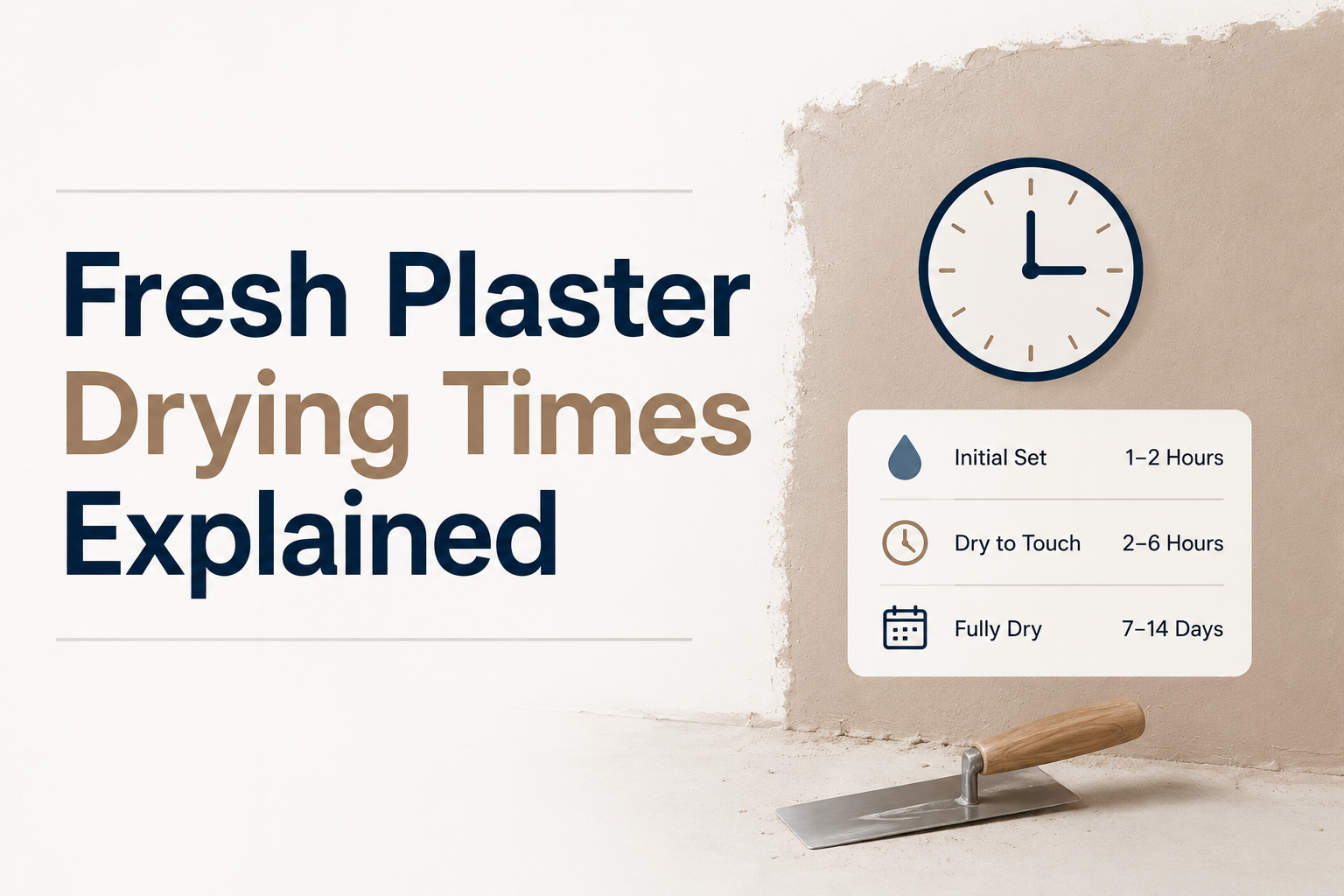
While varieties of plasters abound today due to advancements in technology and methodologies, they all share this core principle: they are applied while malleable then air-dried to produce a robust finish. Each type has its unique drying time determined by their composition which can significantly impact the final outcome.
From Ancient Egypt to Modern Times: The Story of Plaster
Plaster is deeply embedded within human history – its uses dating back to ancient civilizations including but not limited to Egyptians, Greeks, Romans where it was utilized for construction purposes as well as creating intricate works of art. In Ancient Egypt particularly, plaster was often used for wall paintings inside tombs; fast forward several millennia and plaster remains integral albeit with more advanced applications such as ornamental interior decorating.
The Renaissance period saw the reinvention of plaster use when Italians crafted frescoes on freshly laid wet plaster – a technique now known as ‘buon fresco’. In modern times, different types of plasters like lime plaster, gypsum plaster or cement plasters are largely employed in buildings for coating walls and ceilings due their inherent advantages such as fire resistance, insulation properties and aesthetics enhancements.
The Cruciality Behind Understanding Plaster Drying Times
Understanding how long different types of plasters take to dry is pivotal not only from the perspective of project planning but also assuring the quality and longevity of the finished surface. Incorrect assumptions about drying times can lead to a plethora of problems like cracking, peeling, mould growth, or even structural damage. For example, painting over plaster before it is fully dry can result in peeling and flaking paint.
Moreover, applying a second coat of plaster prematurely could lead to instability and eventual collapse of the layer. Hence getting to grips with drying times is integral to avoid costly mistakes and rework.
Furthermore, understanding drying times enables better project scheduling for construction or renovation tasks. It allows professionals in the field to ascertain when subsequent applications can be applied—whether that’s additional coats of plaster, paint or wallpaper—and ensure all work is completed to a high standard within agreed timelines.
Delving into the World of Plasters: Types and Their Drying Times
Lime Plaster: A Blend of Tradition and Durability
Lime plaster, known for its resilience and longevity, is an amalgamation of water, sand, and lime. This plaster type was prevalent in construction during ancient times, notably used by the Egyptians in their pyramids.
Characterized by its breathability and flexibility, lime plaster allows moisture to evaporate more quickly than other types. It also has the added boon of being environmentally friendly due to its low embodied energy.
As for drying time, lime plasters often require a longer period compared to gypsum or cement plasters. Generally, it can take two to three days per millimeter thickness under optimal conditions—namely low humidity levels and moderate temperatures.
Several factors influence the drying time for lime plaster. Ambient temperature is crucial; cooler temperatures tend to prolong drying times significantly.
High humidity levels can also delay the process as they reduce evaporation rate. Additionally, the size and absorbency rate of sand particles used can impact drying times.
Gypsum Plaster: The Modern Standard
Gypsum plaster primarily consists of water mixed with calcium sulfate dihydrate (gypsum). Being easy to work with and quick-setting has facilitated its widespread adoption in modern building practices.
The average drying time for gypsum plaster typically ranges from one to two days—a stark contrast against lime plasters. Indeed, this attribute has propelled gypsum’s popularity within time-sensitive projects.
Like any material though, gypsum’s drying speed isn’t immune from external influences—high ambient humidity levels or cold temperatures can extend this period considerably. Furthermore, the thickness applied will directly impact the overall drying time – thicker applications necessitate longer periods.
Cement Plaster: Strength Meets Versatility
Cement plaster involves a mix of sand, cement, and water. Celebrated for its strength and versatility, it is often employed in both interior and exterior surfaces of buildings. The drying time for cement plaster is typically around one to two days per millimeter thickness under optimal conditions – similar to gypsum plasters.
However, it should ideally be kept moist during the first week after application to avoid cracking and achieve maximum hardness. Again, ambient temperature and humidity levels play a significant role here.
High humidity or cold weather can slow the drying process significantly. Furthermore, the choice of sand—coarser or finer—also affects the drying time.
The Science Behind Plaster Drying Times
Unveiling Water’s Role in The Process
Water serves as an essential component in plaster creation—it initiates chemical reactions allowing plaster to harden. When water evaporates from plaster, it leaves behind a solidified structure. Consequently, plaster’s drying time depends heavily on how quickly this evaporation occurs.
Evaporation & Absorption: The Underlying Mechanisms
Plaster dries through a combination of evaporation—water transforming into vapor—and absorption—the substrate soaking up moisture content. This dual-axis approach allows plasters to dry from both sides—the surface exposed to air and the side adhering to the substrate.
Impact of Ambient Temperature & Humidity: Their Unseen Influence
Environmental factors like temperature and humidity significantly affect these processes. Warm temperatures facilitate faster evaporation while low humidity allows more vapor absorption within ambient air—both expedite overall drying times.
A Practical Guide To Estimating Fresh Plaster’s Dryness Level
Visual Indications: Learning To Read The Signs
Assessing fresh plaster’s dryness level doesn’t have to be guesswork; visual cues can help navigate this terrain. Color is the plaster’s primary telltale sign; as it dries, its color lightens. Surface texture changes also occur during drying—initially smooth surfaces become rougher.
Tactile Assessments: The Power of Touch
Physical tests offer another means of assessing plaster dryness. The touch test involves lightly pressing a finger against the surface—a non-sticky and cool feel indicates dryness. On the other hand, the scratch test involves making a small incision on the surface with a sharp object—if it’s difficult to make an indentation, then it’s likely that the plaster is dry.
Speeding Up The Drying Process for Freshly Applied Plasters
Effective Ventilation Techniques: Encouraging Rapid Drying
Ventilation methods can expedite plaster drying times. Natural ventilation—achieved by opening doors and windows—allows moist air to escape and be replaced by dryer air. Meanwhile, assisted ventilation techniques like fans or dehumidifiers can further facilitate this process.
Heating Methods & Precautions: Warmth With Care
Heating methods can also hasten drying times, provided they are used judiciously to prevent cracking. Radiant heaters provide gentle heat without directly blasting hot air onto surfaces—a suitable approach for delicate plasters. Conversely, forced-air heaters offer powerful heating best suited for robust plasters like cement-based ones.
Conclusion
Understanding different types of plasters and their respective drying times is integral to successful construction projects—and ultimately saving both time and costs. Armed with this knowledge, one can not only choose the right type of plaster but also accurately predict its drying time based on environmental conditions—an aspect often overlooked in project timelines. Remember though; patience rewards those who wait—the natural drying process ensures plasters reach their full strength potential—gifting buildings with an enduring, lovely finish that stands the test of time.