






















Aging is not something anyone can stop, but the rate at which it shows up in your body, your skin, your energy levels, and your overall vitality is influenced by more factors than genetics alone. One of the biggest contributors to the visible and internal signs of aging is oxidative stress, a process where unstable molecules called free radicals damage cells faster than the body can repair them. Antioxidants are the body’s primary defense against this process, and while your body produces some on its own, diet and herbal supplementation play a major role in topping off that defense system.
Herbal traditions across nearly every culture have identified specific plants prized for their antioxidant properties long before modern science had a name for the process. Today, we can measure antioxidant activity directly, and a lot of traditional use lines up remarkably well with what the research shows. Here is a rundown of some of the most notable antioxidant-rich herbs worth knowing about if healthy aging is a priority for you.
Understanding Oxidative Stress and Why It Matters
Free radicals are a normal byproduct of everyday metabolism, produced whenever your cells convert food into energy. They also increase in response to pollution, UV exposure, poor diet, and stress. In small amounts, the body handles them without issue. The problem arises when free radical production outpaces the body’s antioxidant defenses, a state called oxidative stress. Over years and decades, this imbalance contributes to the breakdown of collagen in skin, damage to blood vessels, and cellular changes associated with a wide range of age-related conditions.
Why Skin Shows Aging First
Skin is often the earliest and most visible place oxidative damage shows up, since it is directly exposed to UV radiation and environmental pollutants on top of the normal metabolic free radical production happening throughout the body. Collagen and elastin, the proteins responsible for skin’s firmness and elasticity, are particularly vulnerable to oxidative breakdown, which is part of why antioxidant-rich diets and topical antioxidant products like vitamin C serums have become such a central part of skincare routines focused on graceful, healthy aging rather than simply masking visible signs after the fact.
Green Tea and Its Catechin Content
Green tea is one of the most researched sources of dietary antioxidants, largely due to a class of compounds called catechins, with epigallocatechin gallate, or EGCG, being the most studied. Regular green tea consumption has been associated with improved markers of cardiovascular health and reduced oxidative damage in multiple population studies. A cup or two a day is an easy, low-risk way to add meaningful antioxidant intake to your routine.
Turmeric and Curcumin
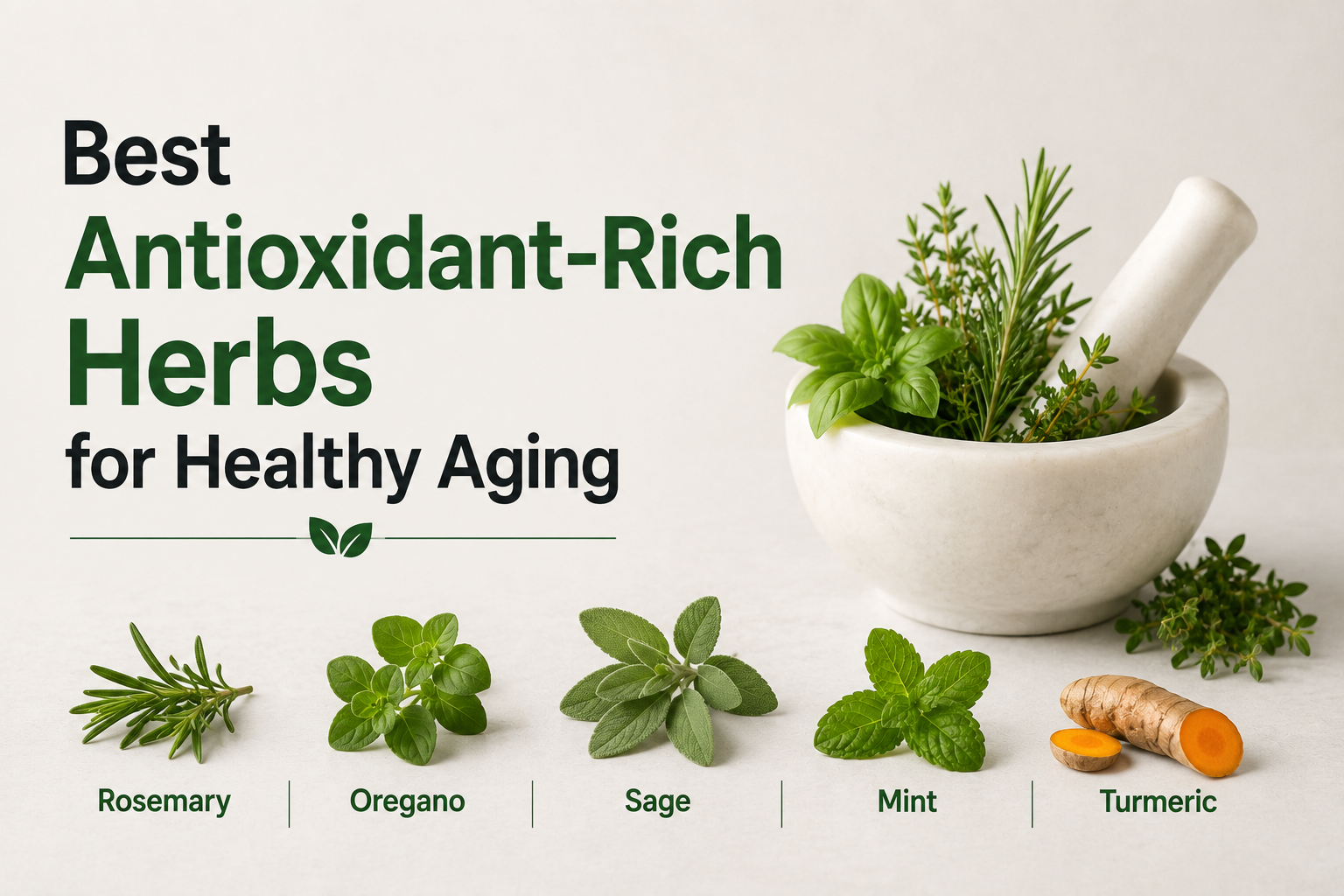
Turmeric owes much of its reputation to curcumin, a compound with both antioxidant and anti-inflammatory properties. Chronic low-grade inflammation and oxidative stress are closely linked, and addressing one often helps the other. Curcumin on its own is poorly absorbed, so pairing turmeric with black pepper, which contains piperine, significantly improves its bioavailability. This is why traditional preparations so often combine the two.
Ginkgo and Its Long History in Antioxidant Support
Ginkgo biloba deserves a place on this list for its dense concentration of flavonoids and terpenoids, both of which have documented antioxidant activity. Ginkgo Biloba has one of the longest continuous histories of use of any herb still commonly available today, and its antioxidant profile is part of why it has remained relevant across centuries of traditional practice and into current wellness routines focused on healthy aging and cellular protection.
Cocoa and Dark Chocolate
Raw cocoa is one of the most antioxidant-dense foods available, rich in flavanols that have been studied for their potential cardiovascular benefits alongside their antioxidant activity. The key distinction is processing. Heavily processed chocolate with high sugar content and minimal actual cocoa solids offers little of this benefit. Look for dark chocolate with a high cocoa percentage, generally 70 percent or above, to actually capture a meaningful dose of these compounds without the offsetting downside of excessive added sugar.
Rosemary for Cellular Protection
Beyond its use as a culinary herb, rosemary contains rosmarinic acid and carnosic acid, both potent antioxidants studied for their potential to protect cells from oxidative damage. Rosemary has also been explored for its role in supporting healthy brain aging specifically, with some research suggesting its antioxidant compounds may help protect neurons from age-related oxidative damage.
Sun Protection as an Antioxidant Strategy
No internal antioxidant strategy fully compensates for daily unprotected sun exposure, which remains one of the single biggest accelerators of visible skin aging. Daily sunscreen use, seeking shade during peak UV hours, and wearing protective clothing all reduce the oxidative burden your skin has to manage, effectively lowering the workload that your dietary and herbal antioxidants are trying to help offset in the first place. Think of sun protection as reducing the damage at the source, while dietary antioxidants help clean up what still gets through.
Astragalus Root
A staple of traditional Chinese medicine, astragalus root has a long history of use for supporting immune function and vitality, particularly in the context of aging. Its antioxidant properties are attributed to a range of polysaccharides and flavonoids that appear to support the body’s own antioxidant enzyme systems rather than simply adding external antioxidants.
Building an Antioxidant-Rich Routine
• Incorporate a variety of colorful vegetables and fruits daily, since different pigments correspond to different antioxidant compounds
• Add culinary herbs like rosemary, turmeric, and oregano generously to meals rather than treating them as an afterthought
• Consider a daily cup of green tea in place of another caffeinated beverage
• Research herbal additions like ginkgo as part of a broader routine rather than relying on any single herb alone
Antioxidants Work Best as Part of a Bigger Picture
It is tempting to treat antioxidant-rich herbs as a shortcut, but they work best layered on top of the fundamentals: adequate sleep, regular movement, limited alcohol and tobacco use, and protection from excessive sun exposure. No herb, however well studied, can fully offset the oxidative damage caused by chronic poor sleep or a diet built around heavily processed food. Think of antioxidant-rich herbs as reinforcement for a foundation you are already building, not a replacement for it.
Healthy aging is a long game, and the choices that matter most are the ones repeated daily over years, not the occasional supplement taken sporadically. Building a diet and routine rich in antioxidant support, whether through food, herbs, or both, is one of the most well-supported and low-risk strategies available for supporting your body’s natural defenses as the years go by.
Vitamin C and Vitamin E: The Foundational Antioxidants
Before getting into more specialized herbs, it is worth remembering that some of the most well-established antioxidants are the ones already familiar to most people. Vitamin C, abundant in citrus fruits, bell peppers, and leafy greens, plays a direct role in collagen synthesis, which has obvious implications for skin aging in addition to its general antioxidant function. Vitamin E, found in nuts, seeds, and vegetable oils, works differently than vitamin C in that it is fat-soluble, allowing it to protect cell membranes specifically, which are made largely of fat. Getting both through whole foods rather than relying solely on supplements tends to provide the most balanced and bioavailable form of these nutrients.
Resveratrol and Grape-Derived Antioxidants
Resveratrol, found in the skin of grapes and in red wine, has drawn significant research interest for its antioxidant properties and its potential role in activating certain longevity-associated genes in laboratory studies. While the amount of resveratrol in a typical glass of wine is relatively small, and heavy alcohol consumption obviously carries its own health risks that outweigh any antioxidant benefit, resveratrol supplements derived from grape skin or Japanese knotweed have become popular among people specifically focused on healthy aging.
Milk Thistle and Liver-Focused Antioxidant Support
The liver bears the brunt of processing toxins, medications, and metabolic byproducts, making it particularly vulnerable to oxidative stress over a lifetime. Milk thistle contains silymarin, a compound with well-documented antioxidant and liver-protective properties. Traditional use of milk thistle for liver support spans centuries, and its relevance to healthy aging comes from the liver’s central role in processing everything else that enters your body, including the very antioxidants and nutrients you are trying to benefit from.
How to Actually Measure Antioxidant Intake
A useful, low-effort strategy for increasing antioxidant intake without overthinking every meal is to focus on eating a wide variety of plant colors throughout the week. Different pigments, the deep purple of blueberries, the orange of carrots, the dark green of spinach, each correspond to different antioxidant compounds with slightly different protective roles in the body. Rather than obsessing over specific numbers or trying to track a particular antioxidant score, aiming for variety and color on your plate is a simple heuristic that reliably captures a broad spectrum of protective compounds.
As always, talk to a healthcare provider before adding new herbs to your routine, particularly if you take prescription medication, since some herbal antioxidants can interact with blood thinners or other common prescriptions.