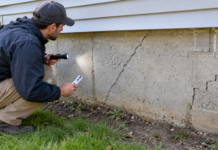























Small defects often become part of the background of a home. Occupants learn to lift a sagging cabinet door, jiggle a knob, step around a loose rug edge, ignore a slow drip, or avoid using a damaged shelf. Familiarity can make the condition feel harmless even when it is getting worse. The purpose of timely repair is not to keep a house cosmetically perfect. It is to preserve safety, prevent secondary damage, and restore normal function before the workaround becomes permanent.
Delay has different consequences depending on the problem. Water can spread beyond the original opening. Repeated movement can enlarge a fastener hole. A binding door can damage hardware or conceal frame movement. Lint accumulation can restrict airflow. An unstable mount can suddenly fail under load. Other defects truly are cosmetic and may wait. The key is learning which observations change the priority.
This guide explains common escalation patterns without diagnosing a particular property. Conditions involving electricity, gas, structural movement, significant leaks, fire protection, or suspected hazardous materials need appropriately qualified evaluation. Homeowners should follow manufacturer instructions and local requirements rather than attempting a repair solely because the visible defect appears small.
Moisture Can Travel Beyond the Visible Spot
A failed seal at a tub, sink, toilet, or exterior opening may expose materials that are hidden from view. Staining can appear some distance from the source, and repeated wetting can damage finishes and substrates. Note when moisture appears and stop the source when it is safe. Do not treat paint, caulk, or a drywall patch as proof that the underlying issue has been resolved.
For each item, record the room, exact location, observed symptom, first-noticed date, and any condition that makes it better or worse. A short video can be useful for movement or noise, while a photograph documents staining or alignment. Keep these records factual. They help a provider prepare without turning the homeowner’s assumption into the diagnosis.
Loose Hardware Usually Gets Looser
Knobs, hinges, railings, shelves, curtain rods, and mounted electronics experience repeated force. Tightening may help when the fastener and substrate remain sound, but overtightening can strip holes or damage a fixture. Movement that returns suggests the connection needs a proper repair. Reduce the load and avoid using an unstable item until the anchor, backing, hardware, and mounting method can be evaluated.
Think through access and consequences before work begins. Moving one object may expose another condition, and removing a fixture may temporarily take a sink, light, door, or storage area out of service. Ask how long the area may be unavailable and what needs to remain untouched while adhesives, sealants, patches, or finishes cure.
Door Problems Affect Security and Egress
A door that drags, will not latch, or requires force can move from inconvenience to security concern. Causes can include loose hinges, swelling, damaged hardware, alignment, or movement in the opening. Observe whether the problem changes with weather and whether gaps have changed. Exterior doors and required exits deserve prompt attention. Repairs should preserve safe operation rather than making a door easier to close at the expense of locking or egress.
Materials and compatibility deserve attention. The correct size, mounting method, electrical rating, plumbing connection, finish, and manufacturer requirement can determine whether a seemingly simple replacement is appropriate. Keep receipts and packaging until the installation is complete. If compatibility is uncertain, preserve the option to return the product rather than forcing it to fit.
Using Local Search Results Responsibly
A search for handyman services near me often happens only after the household list becomes difficult to ignore. Using a Huntsville handyman service page to compare task categories can help homeowners decide which items belong together and which need a specialist. Results for handyman near me and handyman contractors should be reviewed for insurance, stated capabilities, service area, and a clear method for approving added work.
Search visibility does not establish quality, availability, or suitability for a particular home. Confirm the provider’s current service area, insurance, scope, scheduling, and pricing directly. Reviews can identify questions to ask, but they may describe a different worker, task, property, or point in time. The written agreement and current project communication should control expectations.
Slow Drains and Drips Waste Time and Materials
A slow drain may eventually stop, and a drip can stain fixtures or cabinetry while increasing water use. Avoid chemical or mechanical methods that are incompatible with the plumbing or beyond the homeowner’s experience. Check for visible leakage and note which fixtures are affected. Multiple slow drains, recurring backups, sewage odor, or water appearing outside the fixture may indicate a broader issue requiring a plumbing professional.
Budgeting should allow for uncertainty without giving open-ended approval. Ask how added labor or materials will be communicated and who can authorize a change. A written ceiling, pause point, or revised estimate can keep a small project from creating an unexpected bill while still allowing the provider to respond responsibly to a hidden condition.
Minor Wall Damage Can Reveal a Pattern
A single dent from moving furniture is different from recurring cracks, soft drywall, or staining. Before patching, consider the location, history, and whether the area is changing. Photographs with dates can help. Cosmetic repair should follow, not conceal, evaluation of active moisture or movement. When the cause is ordinary impact, careful preparation, patching, texture, primer, and paint provide a more durable result than a quick surface smear.
The finished result should be reviewed for function as well as appearance. Operate the repaired or installed item under ordinary conditions when it is safe to do so. Confirm that adjacent surfaces were protected and that manuals, spare parts, and care instructions are returned. Photograph the completed work for the household maintenance record.
Deferred Assembly and Storage Create Clutter
Unassembled furniture, unused shelving, and boxes of hardware occupy space and make rooms harder to organize. Rushed assembly can be unsafe when pieces are heavy, instructions are skipped, or required wall anchoring is omitted. Confirm all parts, follow manufacturer steps, and plan the final location before assembly. Proper storage projects can remove daily friction, but they should account for wall conditions, utilities, loads, and access.
Homeowners should resist using speed as the only measure of success. Preparation, protection, careful fastening, testing, and cleanup are part of the work. A repair that takes slightly longer but addresses the correct substrate or compatibility issue can be more useful than a fast cosmetic adjustment that has to be repeated.
A Monthly Reset Prevents List Creep
Set aside a short monthly review to capture new issues, close completed items, and re-rank the remaining list. Walk through frequently used rooms, test obvious hardware, and look for moisture or damage without dismantling systems. A simple reset prevents dozens of remembered-in-the-moment tasks from disappearing again. It also creates a prepared list that can be handled efficiently when professional help is scheduled.
If the task changes after closer inspection, pause and reassess the scope. New evidence of water damage, unsafe wiring, structural movement, or failed materials can shift the project from routine maintenance to specialty work. A clear referral or second opinion is preferable to continuing beyond the limits of the original plan.
Decide What Belongs on a Professional Work List
A do-it-yourself decision should account for more than the purchase price of a tool. Consider the consequence of failure, access, load, concealed utilities, product instructions, physical ability, protective equipment, and whether local rules require a permit or licensed trade. Hanging a lightweight picture on a known wall is different from mounting a heavy television above a fireplace. Replacing visible cabinet hardware is different from changing wiring or plumbing inside a wall. When the safe method, substrate, or system is uncertain, the most efficient choice may be an assessment rather than an experiment.
The professional list should also be specific enough to support planning. Separate troubleshooting from a known installation, identify products that have already been purchased, and explain any previous repair attempts. If a task depends on another trade, ask which work must happen first. For example, recurring water must be resolved and the area dried before a finish patch is meaningful. A clear boundary protects the budget because it distinguishes the requested work from conditions that could not be confirmed until access or disassembly began.
Homeowners can then rank the professional list by risk, disruption, and efficiency. Safety and active damage come first, followed by tasks that restore daily function. Compatible lower-priority items can fill the remaining appointment time if the provider agrees. This approach gives the visit structure without encouraging rushed work. It also creates a natural stopping point when a new condition requires materials, authorization, or a specialist who was not part of the original plan.
Create a Clear Household Project Record
Keep one record containing the task list, estimates, approved changes, product information, before-and-after photographs, invoices, and maintenance instructions. Date each entry and identify who supplied the information. Organized records are useful when a product warranty, follow-up visit, later renovation, or home sale raises questions about what was installed and when.
Review the record with everyone who uses the affected area. One household member may know that a door sticks only after rain, while another may have noticed an outlet or fixture behaving differently. Combining those observations produces a more complete description. It also helps the household agree on priorities before time and money are committed.
Conclusion
Timely attention keeps a manageable defect from becoming a safety issue, source of secondary damage, or permanent household workaround. Regular review and honest prioritization are more useful than waiting for a perfect weekend to complete everything. Odd Jobs can be referenced as one Huntsville-area company homeowners may encounter while researching assistance for accumulated small repairs.