






















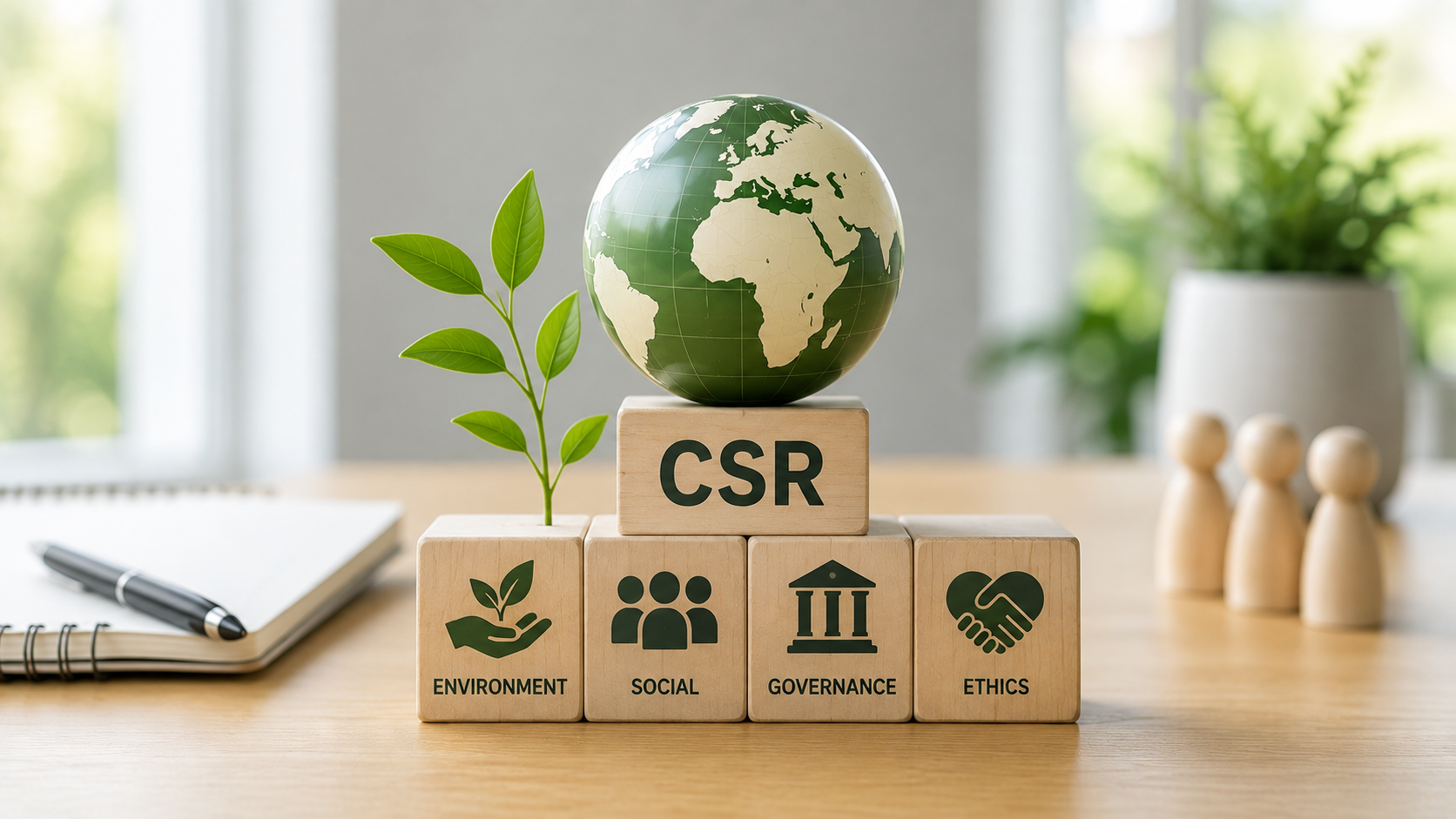
In today’s competitive business landscape, profitability alone is no longer enough to earn customer trust and long-term success. Consumers, employees, investors, and governments increasingly expect organizations to contribute positively to society. This growing expectation has made corporate social responsibility (CSR) an essential part of modern business strategy rather than an optional initiative.
Companies that invest in meaningful CSR programs build stronger relationships with stakeholders, enhance their brand reputation, and create sustainable value for society. Whether it’s supporting education, environmental conservation, healthcare, or community development, businesses have the power to make a lasting difference. At the same time, digital technology has made it easier than ever for businesses and individuals to donate online, increasing transparency and expanding the reach of social initiatives.
One inspiring example is Nanhikali, an initiative dedicated to educating underprivileged girls across India. By partnering with organizations like Nanhikali, businesses can create measurable social impact while strengthening their own corporate values.
What Is Corporate Social Responsibility and Why Does It Matter?
The Core Pillars of Corporate Social Responsibility
Corporate social responsibility refers to a company’s commitment to operating ethically while contributing to economic development and improving the quality of life for employees, communities, and society as a whole.
Modern CSR generally focuses on four key pillars:
- Ethical business practices
- Environmental sustainability
- Social development
- Economic responsibility
Businesses are expected to reduce their environmental footprint, promote diversity and inclusion, support community welfare, and maintain transparency in governance. Rather than viewing CSR as an expense, successful organizations consider it a long-term investment in sustainable growth.
Governments, customers, and investors are also paying closer attention to ESG (Environmental, Social, and Governance) standards, making CSR a crucial factor in maintaining competitiveness.
Key Benefits of Corporate Social Responsibility for Businesses
How CSR Creates Long-Term Business Value
A well-planned corporate social responsibility strategy benefits both businesses and society.
Builds Brand Reputation
Customers prefer companies that demonstrate genuine commitment to social causes. Organizations known for responsible practices often enjoy stronger customer loyalty and positive public perception.
Increases Employee Engagement
Employees are more motivated when they know their work contributes to meaningful social impact. CSR programs encourage volunteering, teamwork, and a stronger organizational culture.
Attracts Investors
Investors increasingly evaluate businesses based on sustainability and ethical practices. Companies with strong CSR initiatives are often viewed as lower-risk and more future-ready.
Improves Customer Loyalty
Consumers are more likely to purchase from brands whose values align with their own. Responsible business practices foster trust that leads to long-term customer relationships.
Encourages Innovation
CSR challenges companies to develop sustainable products, improve operational efficiency, and explore innovative solutions that benefit both business and society.
Ultimately, corporate social responsibility helps organizations build resilience while contributing positively to communities.
How CSR Initiatives Transform Communities Through Education
Supporting Children’s Education with Nanhikali
Education remains one of the most impactful areas for CSR investment because it creates long-term social and economic benefits.
Many children across India still face barriers to quality education due to financial limitations and unequal access to learning resources. Girls are particularly vulnerable to dropping out of school because of economic hardship, social norms, and lack of educational support.
This is where organizations like Nanhikali make a significant difference.
Nanhikali works to empower underprivileged girls through education by providing academic support, learning materials, life skills, and opportunities that help them complete their schooling and build brighter futures.
Businesses partnering with Nanhikali through their CSR initiatives contribute to:
- Improved access to education
- Better learning outcomes
- Reduced school dropout rates
- Women’s empowerment
- Stronger communities
Investing in education doesn’t simply help one child—it creates a ripple effect that benefits families, communities, and future generations.
CSR programs focused on education also align closely with the United Nations Sustainable Development Goals (SDGs), making them meaningful investments with measurable outcomes.
Why Donate Online Is Becoming a Powerful CSR Strategy
Digital Giving Makes Corporate Impact More Transparent
Technology has transformed charitable giving. Today, businesses and individuals can donate online securely, conveniently, and transparently.
Digital donation platforms offer several advantages:
- Fast and secure transactions
- Greater transparency in fund utilization
- Easy impact tracking
- Employee participation through workplace campaigns
- Wider reach for fundraising initiatives
Many companies now integrate online giving into employee engagement programs, allowing staff members to contribute to causes they care about while employers match donations.
When businesses donate online through trusted organizations like Nanhikali, they receive clear reporting on the impact of their contributions. This transparency strengthens stakeholder confidence and demonstrates accountability.
Digital giving also enables businesses to respond quickly during emergencies and support ongoing community development projects throughout the year.
Building an Effective Corporate Social Responsibility Strategy
Best Practices for Sustainable CSR Programs
An effective corporate social responsibility strategy requires thoughtful planning and continuous evaluation.
Align CSR With Business Values
Choose initiatives that naturally align with your organization’s mission, expertise, and long-term objectives.
Partner With Trusted NGOs
Collaborating with credible organizations such as Nanhikali ensures resources are used effectively and creates measurable social impact.
Set Clear Objectives
Define specific goals such as improving educational outcomes, supporting environmental sustainability, or enhancing community health.
Measure Results
Track meaningful performance indicators, including:
- Number of beneficiaries
- Educational progress
- Employee participation
- Community impact
- Social return on investment
Engage Employees
Encourage volunteering, fundraising, mentorship programs, and workplace giving campaigns to strengthen employee involvement.
Communicate Transparently
Publish regular CSR reports highlighting achievements, challenges, and future commitments. Transparency builds trust with customers, investors, and communities.
A successful CSR strategy is not about one-time donations. It is about creating long-term partnerships that generate sustainable change.
Conclusion
The importance of corporate social responsibility continues to grow as businesses recognize that long-term success depends on creating value beyond profits. Organizations that invest in education, sustainability, and community development strengthen their reputation while making a meaningful difference in society.
Education-focused CSR initiatives are among the most impactful investments because they empower future generations and create lasting social change. Organizations like Nanhikali demonstrate how businesses can transform lives by supporting quality education for underprivileged girls.
As digital giving becomes more accessible, companies and individuals can also donate online to contribute quickly, securely, and transparently. By combining responsible business practices with trusted nonprofit partnerships, organizations can build stronger communities while achieving sustainable business growth.