






















A roof is one of the most important structural components of any home, yet it’s often overlooked until there’s a visible problem. Small issues such as loose shingles, clogged gutters, or poor ventilation can quietly lead to larger and more expensive repairs over time. For homeowners, understanding how to maintain a roof proactively can make a major difference in both long-term costs and property value.
Regular roof maintenance doesn’t necessarily require complicated tools or technical expertise. In many cases, consistent inspections and preventative care can help identify concerns before they become serious. Whether you own a newer home or an older property, taking a strategic approach to roof upkeep can improve durability, energy efficiency, and overall peace of mind.
Why Roof Maintenance Matters More Than Most Homeowners Realize
Roofs endure constant exposure to weather conditions throughout the year. Heat, rain, humidity, wind, and debris all contribute to gradual wear and tear. Even minor damage can compromise the integrity of the roofing system if left unaddressed.
A neglected roof may lead to:
- Interior water damage
- Mold or mildew growth
- Increased cooling and heating costs
- Structural wood rot
- Reduced home resale value
Preventative maintenance helps minimize these risks. Instead of waiting for leaks or visible sagging, homeowners benefit from scheduling periodic evaluations and responding quickly to early warning signs.
Common Warning Signs That Shouldn’t Be Ignored
Many roofing issues begin subtly. Recognizing the early symptoms can prevent expensive emergency repairs later.
Missing or Damaged Shingles
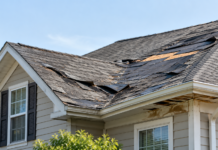
Shingles protect the roof’s underlayment from moisture intrusion. If shingles appear cracked, curled, or missing entirely, the roof becomes vulnerable to leaks and sun damage.
Granule Loss
Asphalt shingles naturally shed granules over time, but excessive granule buildup in gutters may indicate accelerated aging. This can reduce the roof’s ability to resist UV exposure and harsh weather.
Water Stains Indoors
Brown spots on ceilings or upper walls often suggest moisture penetration from above. Even small stains deserve prompt investigation because hidden leaks can spread behind drywall and insulation.
Sagging Roof Areas
A roof should maintain a straight and even appearance. Sagging sections may point to trapped moisture, structural weakening, or long-term deterioration beneath the surface.
Rising Energy Bills
Poor roof ventilation or damaged insulation can force HVAC systems to work harder. Unexpected increases in utility costs sometimes indicate roofing inefficiencies rather than appliance problems.
Seasonal Roof Care Tips for Better Longevity
Every season creates different stressors for residential roofs. Building a simple seasonal maintenance routine can significantly improve performance and lifespan.
Spring Inspections
After winter weather, inspect the roof for debris accumulation, lifted shingles, or flashing damage. Spring is also an ideal time to clean gutters and downspouts to ensure proper water drainage.
Summer Heat Protection
Intense heat and prolonged sun exposure can age roofing materials faster. Homeowners should check attic ventilation during summer months to reduce trapped heat and moisture buildup.
Fall Preparation
Falling leaves can clog gutters quickly, increasing the risk of standing water. Clearing debris before heavy rain seasons helps prevent overflow and foundation issues.
Winter Awareness
Although colder climates experience snow-related roofing challenges more often, even milder winters can expose vulnerabilities. Moisture intrusion during cooler months may worsen unnoticed cracks or gaps.
The Role of Professional Roof Evaluations
While homeowners can handle visual inspections from the ground, professional assessments provide a more complete understanding of roof health. Roofing specialists often identify hidden concerns that may not be immediately visible.
A professional inspection may include:
- Flashing evaluation
- Ventilation assessment
- Structural integrity review
- Moisture detection
- Drainage analysis
- Material lifespan estimation
Homeowners considering repairs or long-term maintenance planning may benefit from reviewing services offered by roofing San Antonio professionals who understand regional weather conditions and roofing challenges.
How Climate Impacts Roofing Performance
Local climate plays a major role in determining how quickly roofing materials age. Areas with prolonged heat exposure, humidity, or strong storms place additional stress on roofing systems.
Heat and UV Exposure
Extended sunlight can dry out certain roofing materials, causing brittleness and cracking over time. Dark-colored roofs may absorb more heat, increasing attic temperatures if ventilation is insufficient.
Heavy Rainfall
Frequent rain increases the importance of drainage systems. Improper water flow may allow moisture to seep beneath shingles or around flashing areas.
Wind Damage
Strong winds can loosen shingles or expose vulnerable edges. Even if no immediate leak develops, wind-related damage can weaken the roof’s overall protection.
Understanding local environmental conditions helps homeowners make better decisions regarding maintenance schedules and material selection.
Choosing Durable Roofing Materials
Not all roofing materials perform the same way under different conditions. Selecting the right material can improve durability while reducing maintenance demands.
Asphalt Shingles
One of the most common residential roofing materials, asphalt shingles are cost-effective and widely available. Modern versions offer improved wind and weather resistance compared to older products.
Metal Roofing
Metal roofs are increasingly popular due to their longevity and energy efficiency. They often perform well in regions exposed to heavy rain or intense sun.
Tile Roofing
Clay and concrete tile roofs provide excellent durability and visual appeal. However, they typically require stronger structural support because of their weight.
Composite Materials
Engineered composite roofing products are designed to mimic natural materials while offering enhanced durability and lower maintenance requirements.
The best choice often depends on budget, climate, architectural style, and long-term ownership goals.
Preventative Maintenance Saves Money Over Time
One of the biggest misconceptions about roofing is that maintenance is expensive. In reality, preventative care is usually far less costly than major repairs or full replacement projects.
Addressing minor concerns early can help homeowners avoid:
- Interior remodeling costs from leaks
- Mold remediation expenses
- Structural framing repairs
- Emergency repair premiums
- Premature roof replacement
Even small investments in routine inspections and upkeep can extend a roof’s usable lifespan by several years.
Final Thoughts
Roof maintenance is one of the most practical ways homeowners can protect their investment and reduce long-term repair costs. While roofs naturally age over time, proactive care significantly improves durability and performance. Paying attention to early warning signs, maintaining seasonal routines, and seeking professional evaluations when needed all contribute to a healthier roofing system.
A well-maintained roof not only safeguards the structure beneath it but also improves comfort, efficiency, and property value. By treating roofing maintenance as an ongoing priority rather than a reactive expense, homeowners can avoid unnecessary stress and keep their homes better protected for years to come.