






















Technology has become deeply integrated into everyday life. From smartphones and social media to artificial intelligence and digital work platforms, technology influences how people communicate, learn, work, and relax.
Yet the question is no longer simply whether technology is good or bad. A more important question is: how are we using it?
Recent research suggests that the psychological effects of technology may depend heavily on whether digital activities are intentional or passive. Purposeful technology use—such as learning a new skill, communicating with someone important, or completing a specific task—may have different effects from endless scrolling, constant notifications, or switching repeatedly between digital activities.
Intentional Use Creates More Control
When people use technology with a clear purpose, they are more likely to remain aware of their attention and behavior. For example, watching an educational video, researching a topic, or using an artificial intelligence tool to solve a specific problem can support productivity and learning.
The difficulty begins when technology starts controlling the user’s attention. Notifications, short-form content, and constantly changing digital stimuli can encourage people to move from one activity to another without consciously deciding to do so.
This pattern can gradually make sustained attention more difficult.
The Problem of Constant Interruption
Digital technology is designed to make communication faster. However, constant accessibility can also create a new psychological burden. Messages, alerts, emails, and work platforms may interrupt people repeatedly throughout the day.
Recent research has examined how technology-related interruptions and distractions can affect focus and well-being. When individuals are frequently pulled away from their original task, they may experience reduced concentration and a greater sense of mental fatigue.
The solution is not necessarily to reject technology. Instead, people may benefit from creating clearer boundaries around when and why they use digital tools.
Technology Should Support Human Goals
The most beneficial relationship with technology is not one in which people use it as much as possible. It is one in which technology supports meaningful human goals.
A student can use digital tools to learn more effectively. A professional can use artificial intelligence to reduce repetitive work. Families can use technology to remain connected across distance. These examples show that technology can improve life when it serves human intentions rather than constantly competing for human attention.
Universities also have an important role in preparing people for this changing digital environment. Institutions such as Unissula can contribute to discussions about how education, innovation, and responsible technology use can develop together.
A More Balanced Digital Future
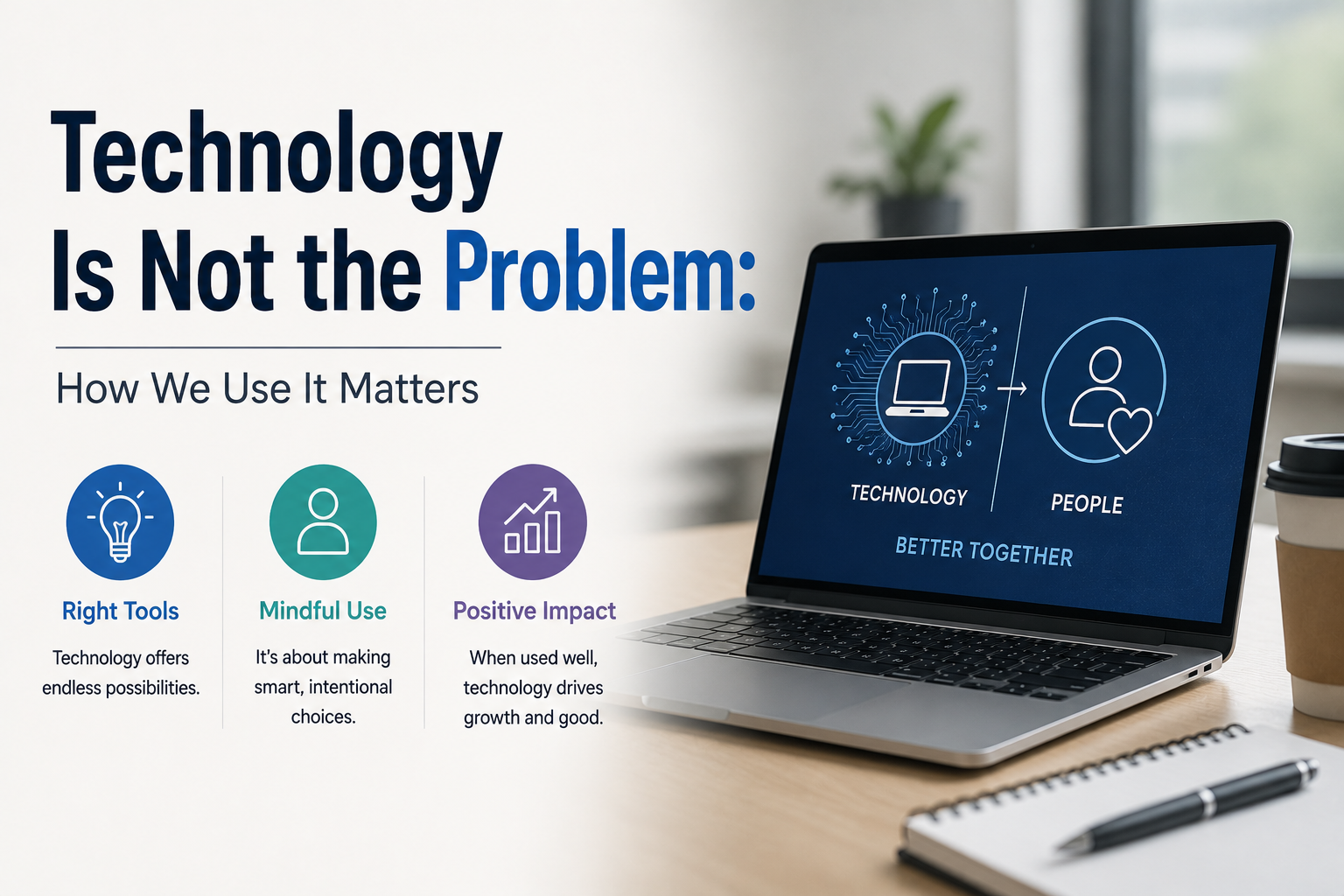
Technology itself is neither automatically beneficial nor harmful. Its effects depend on design, context, and human behavior.
The goal should not be to eliminate technology from daily life. Instead, people should become more intentional about how digital tools are used. Turning off unnecessary notifications, focusing on one task at a time, and regularly evaluating digital habits are simple steps that can improve the relationship between technology and well-being.
In the end, the future of technology should not be measured only by how advanced our devices become. It should also be measured by whether those technologies help people think more clearly, live more meaningfully, and remain in control of their attention.