






















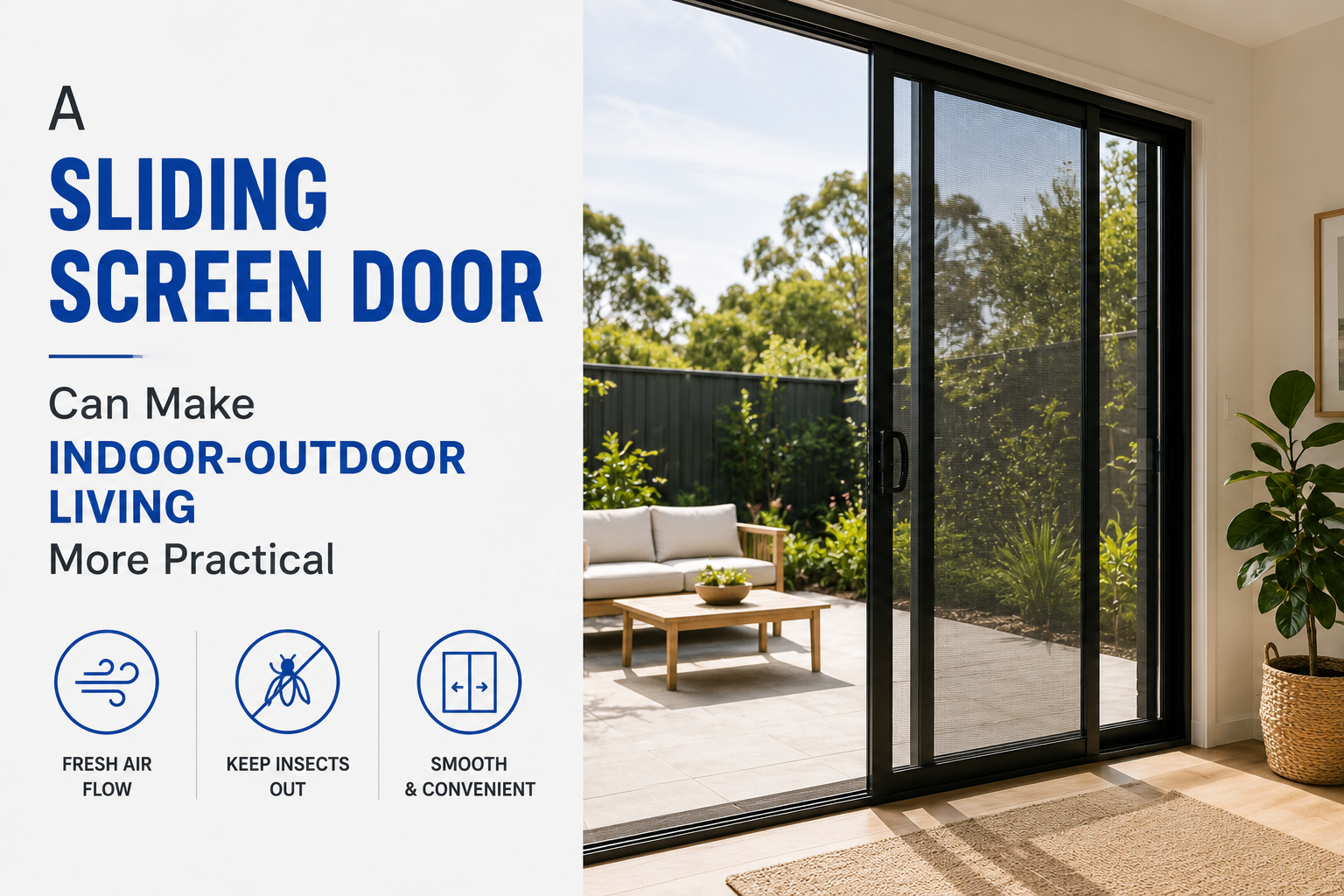
Wide openings can make a home feel brighter, more spacious, and better connected to outdoor areas, but leaving them open can also allow insects and debris to enter. A well-planned sliding screen door can help maintain airflow and access while creating a physical barrier across the opening. The right screen should suit the size of the doorway, the way people move through the space, and the operation of the existing doors. When these factors are considered together, screening can become a functional part of the property rather than an inconvenient addition.
Wide Doorways Need Screening That Matches Their Scale
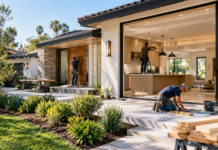
Modern homes often feature large glazed openings leading to patios, decks, gardens, balconies, and entertaining areas. These doors create a strong visual connection with the outdoors, but standard screening solutions may not always suit their width or configuration.
A screen should be selected according to the complete opening rather than only the dimensions of one door panel. Available side space, track positions, frame depth, and the movement of existing doors can all influence the design.
Poorly matched screens may restrict access or interfere with other components. Accurate planning helps ensure that the screen works with the doorway and maintains the benefits of the large opening.
Airflow Can Improve How Living Spaces Feel
Natural ventilation can make indoor areas more comfortable during suitable weather. Opening doors allows fresh air to move through a property and may help reduce the feeling of enclosed or stagnant rooms.
The challenge is keeping the opening usable when insects are active. Without screening, homeowners may close doors earlier than they would prefer, limiting the opportunity for natural airflow.
A screen provides a barrier while still allowing air to pass through. Its effectiveness depends on the position of the opening, local weather, surrounding buildings, and other factors that influence ventilation.
Indoor-Outdoor Entertaining Becomes Easier With Better Access
Entertaining areas often involve regular movement between kitchens, dining rooms, patios, and gardens. People may carry food, drinks, plates, or other items through the doorway throughout the day.
A screen should support this movement rather than becoming an obstacle. The opening direction, handle position, and available passage width can all affect everyday convenience.
Busy households may also need to consider children, older family members, and guests who are unfamiliar with the doorway. A clearly visible and easy-to-operate system can make frequent movement between areas more practical.
Space Efficiency Is One of the Main Benefits of Sliding Movement
Hinged doors require clear floor space for their opening arc. This can limit the placement of furniture, plants, outdoor equipment, and other objects near the doorway.
Sliding movement avoids this issue because the panel travels sideways. This can be particularly useful on balconies, narrow patios, and areas where every part of the available space matters.
The surrounding layout should still be considered carefully. The screen needs sufficient room to travel without conflicting with existing door panels or other building elements.
The Existing Door System Should Guide the Screen Design
Screening should not be planned separately from the existing doorway. The type of glass doors, number of panels, track arrangement, and opening direction can all influence what works best.
Some properties have simple two-panel doors, while others feature much wider configurations. The screening approach should reflect these differences.
For existing properties, accurate measurements are essential. Small dimensional errors can affect alignment and movement. For new builds or renovations, considering screening earlier may allow the doorway and surrounding structure to be planned together.
Visibility Matters Across Large Openings
Large glazed doors are often installed to preserve views and bring more natural light into a room. Homeowners may therefore want screening that provides practical protection without making the opening feel unnecessarily enclosed.
The visual effect can depend on the size of the opening, frame arrangement, mesh, and surrounding architecture. These details should be considered alongside functionality.
Screen visibility also has a practical purpose. People need to recognise when a screen is closed, particularly across wide openings where the mesh may be difficult to notice under certain lighting conditions.
Durability Should Reflect How Often the Door Is Used
A screen across a rarely used balcony may experience very different demands from one installed between a kitchen and a busy outdoor entertaining area.
Frequent use places greater demands on moving components. Tracks, guides, handles, and other parts need to operate consistently through repeated opening and closing.
Households with children or pets may also use the doorway differently. Understanding the expected traffic level helps determine which practical considerations deserve the most attention during selection and installation.
Outdoor Conditions Can Affect Ongoing Performance
Screens positioned near exterior areas may encounter dust, moisture, leaves, and other debris. Tracks can collect material over time, particularly where the doorway opens directly onto a garden or exposed patio.
Keeping the operating area clear can help maintain smoother movement. Debris should not be allowed to build up until the screen becomes difficult to use.
Changes in movement, unusual noise, or resistance should also be addressed early. Continuing to force a screen that no longer moves correctly may place additional stress on its components.
When these details are considered from the beginning, a screened opening can help homeowners use patios, decks, gardens, and balconies more comfortably. The result is a doorway that continues to provide light and connection while making open-air living more manageable throughout everyday use.