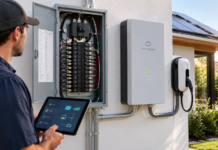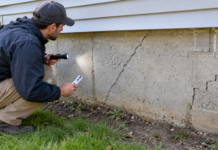






















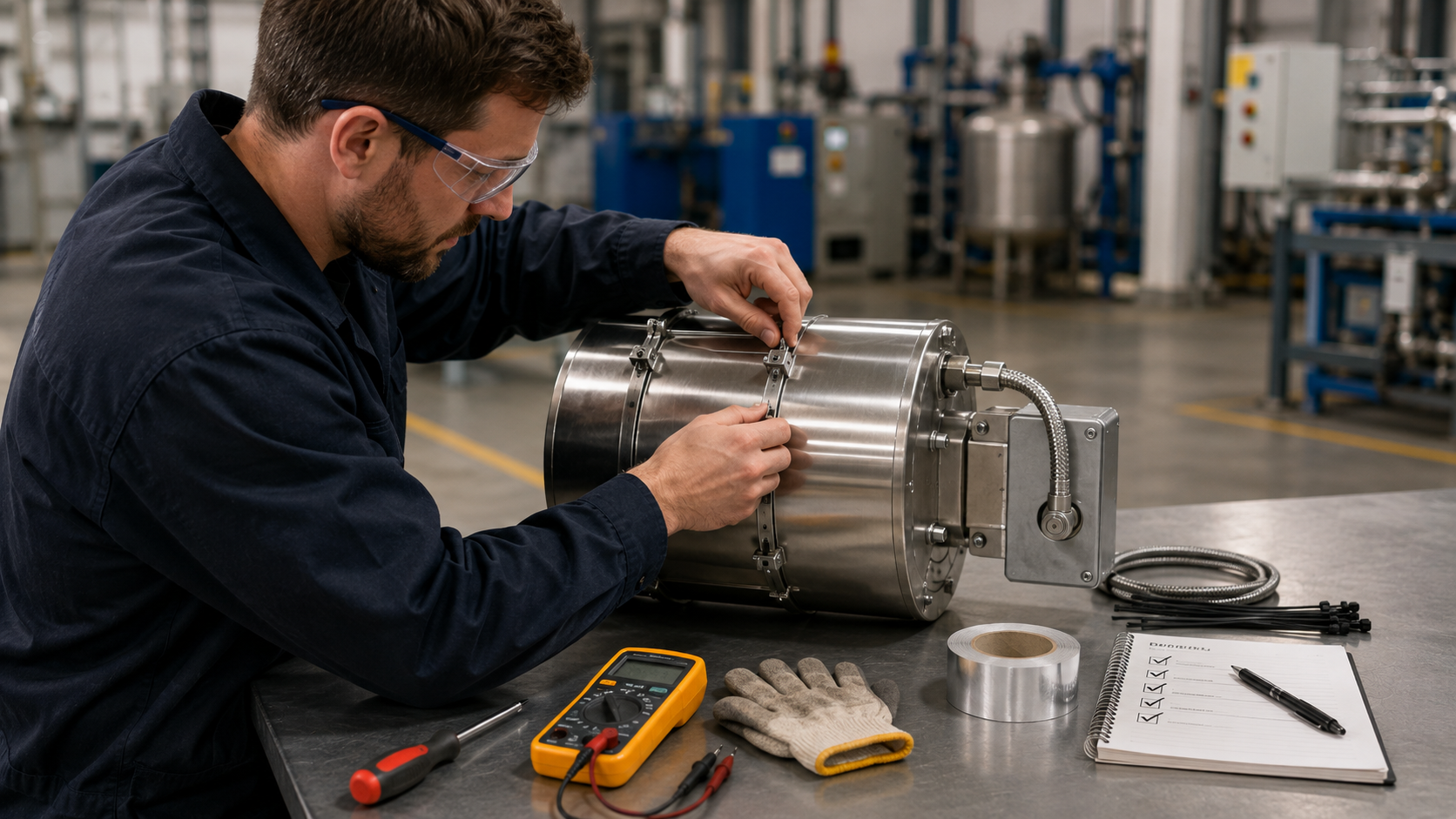
Many band-heater problems begin outside the heater. A contaminated barrel, uneven clamping, damaged leads, incorrect voltage, blocked cooling, or loose connection can shorten service and create a safety hazard. Installation should therefore be treated as a controlled maintenance task with inspection, electrical verification, torque or clamping guidance, lead protection, and documented startup.
A new heater may need attention after the equipment reaches temperature because materials expand and the assembly settles. The correct procedure depends on the design and manufacturer. Technicians should not improvise tightening values or work on energized equipment. A written installation checklist makes safe, repeatable work more likely across shifts and maintenance teams.
This guide is not a substitute for the heater and machine instructions. Only qualified personnel should install or service industrial electrical heaters. Follow lockout/tagout, verify absence of voltage, control stored energy, use appropriate personal protective equipment, and restore guards before operation. Hot equipment should be allowed to reach a safe condition before contact.
Verify the Replacement Before Removal
Compare the new heater label and drawing with the approved specification before taking the machine apart. Confirm voltage, wattage, phase, dimensions, leads, terminals, holes, and quantity. Record the old heater position and wiring when permitted by site procedures. If the old unit differs from the approved record, stop and resolve the discrepancy rather than copying a potentially incorrect installation.
Use a controlled drawing or data sheet rather than relying on a handwritten label. The document should identify units, tolerances, datum points, revision, and the person responsible for approval. Photographs add context but do not replace dimensions. A supplier can ask better questions when the machine information and process assumptions arrive together.
Inspect and Clean the Mounting Surface
Remove resin, oil, oxidation, burrs, and loose material using methods approved for the equipment. Do not damage the barrel or leave abrasive debris. Inspect for grooves, dents, out-of-round conditions, leakage paths, and old hardware. A heater should not bridge hardened contamination. Correct the source of leakage when possible, because a new band installed over recurring contamination may repeat the same failure.
Review the specification with maintenance, engineering, controls, purchasing, and safety personnel where their responsibilities overlap. Each group sees a different failure mode: access, heat balance, switching, lead time, or guarding. One designated owner should resolve comments and issue the final revision so the supplier does not receive conflicting instructions.
Position the Heater and Features
Align the gap, leads, terminal box, holes, sensor adapters, and cooling openings with the drawing. Maintain clearance from moving parts, guards, hydraulic lines, wiring, and adjacent heaters. Do not force a one-piece heater open beyond manufacturer guidance or pry against ceramic components. Two-piece halves should be oriented and connected as specified rather than mixed from different sets.
Plan for abnormal conditions as well as normal production. Startup without material, blocked cooling, sensor failure, a stuck output, leakage, or a loose clamp can expose the heater to conditions outside the design case. Alarms, interlocks, inspection, and operating procedures should reduce these risks. The heater rating is not a substitute for machine safeguards.
Using Industry Search Terms Carefully
Maintenance teams sourcing industrial heating products should ask for installation drawings and approved hardware. Industrial Heating Accessories such as clamps, terminal boxes, sensors, and controllers influence the complete installation. A supplier of Custom Industrial Heaters can also confirm nonstandard lead exits, holes, and protection features before ceramic band heaters reach the machine.
Search results can introduce manufacturers and product categories, but visibility does not establish suitability for a machine. Verify current ratings, dimensions, construction, certifications, manufacturing location, lead time, warranty, and application support directly. The approved equipment specification, technical data, and written supplier confirmation should control the purchase.
Apply Clamping as Specified
Uniform clamping supports heat transfer and reduces local overheating. Use the supplied or approved clamp system and follow the manufacturer’s tightening sequence. Avoid substituting hardware without checking temperature rating and geometry. Spring-loaded systems may accommodate expansion differently from fixed hardware. Over-tightening can damage the heater or barrel, while loose installation can create hot spots.
Document the acceptance method before the part arrives. Dimensional inspection, label review, resistance checks, insulation tests, fit verification, and startup readings may be appropriate depending on the site and product. Qualified personnel should use approved procedures and calibrated instruments. Clear acceptance criteria prevent a production deadline from becoming the only test.
Route and Protect Electrical Connections
Support leads so their weight and machine vibration do not pull on the heater connection. Preserve minimum bend radius, high-temperature clearance, grounding, strain relief, and terminal protection. Keep conductors away from sharp edges and contaminants. Qualified personnel should make and inspect connections using components rated for the circuit and environment, then restore covers and guards.
Consider lifecycle cost without promising a fixed service life. Purchase price, engineering, installation labor, heat-up time, energy, downtime, spares, and failure consequences all matter. Compare similar operating periods and record process changes. A higher-cost configuration may reduce loss in one application while providing little benefit in another.
Perform a Controlled Startup
Verify resistance, insulation, wiring, sensors, controls, and safety devices according to approved procedures before energizing. Monitor current, temperature response, cycling, abnormal odor, smoke, noise, and visible movement during startup from a safe position. Do not bypass an alarm to complete a test. If performance differs from the expected profile, de-energize and investigate under the site’s safety process.
Preserve traceability after installation. Record supplier part number, internal asset or zone, drawing revision, installation date, readings, configuration, and technician. Keep product documentation accessible to later shifts. Traceability makes warranty review, root-cause analysis, and correct reordering easier when the original project team is unavailable.
Document Inspection and Retightening
Some designs require inspection or retightening after initial heat-up and cooling. Follow the specific manufacturer instruction rather than applying a universal rule. Record installation date, readings, hardware condition, and technician. Add the heater to preventive maintenance with checks for looseness, contamination, lead damage, discoloration, and process changes. Documentation helps distinguish recurring machine issues from isolated heater failure.
Treat a recurring heater problem as a system problem until evidence narrows the cause. Replacing parts repeatedly can hide control, contamination, cooling, fit, or process issues. A structured review should compare failure location and operating history across events. Escalate to the equipment designer, heater supplier, controls specialist, or safety team when the evidence reaches beyond routine maintenance.
Build a Controlled Heater Record
Create one record containing the machine, zone, function, approved drawing, heater specification, electrical information, controller and sensor details, installation procedure, startup readings, supplier documents, spare location, and failure history. Use revision control and preserve superseded records without allowing them to guide new orders accidentally. A complete record reduces dependence on memory during an outage.
Review the record when production conditions change. Higher throughput, new material, different startup practice, revised cooling, moved sensors, altered controller tuning, or added insulation can change the load placed on the heater. A replacement that performed well under the old process may not fit the new one. Engineering review should occur before increasing wattage or changing construction.
Train qualified maintenance personnel on the specific heater and machine procedures. The record should identify lockout points, stored-energy controls, approved tests, clamping instructions, connection requirements, guarding, and return-to-service criteria. Training does not authorize work beyond a person’s qualifications. Electrical, controls, process, and safety specialists should remain involved where the task requires them.
Periodically review failure and purchasing data across the plant. Similar heaters may have different service because of zone temperature, contamination, access, or controls. Grouping every event under heater failure can hide useful patterns. A shared engineering and maintenance review can identify standardization opportunities while preserving exceptions for demanding applications.
Establish Post-Installation Baselines
After a controlled startup, record a baseline that future technicians can compare against. Useful observations include supply voltage, current by circuit, resistance where appropriate, time to reach operating temperature, controller output pattern, sensor response, clamp condition, and visible signs of uneven heating. Measurements should be taken only through approved procedures and by qualified personnel. The goal is not to create extra energized work, but to preserve the information already gathered during safe commissioning.
Schedule an early follow-up at the interval specified by the heater or equipment manufacturer. Inspect for loosening, discoloration, shifted leads, damaged protection, resin intrusion, unusual cycling, and changes in product quality. Record whether production conditions matched the startup baseline. If the process has changed, document that fact before attributing a difference to the heater. This short feedback loop can reveal installation or machine problems before they become an unplanned outage and can improve the checklist used for later replacements.
Include operators in the feedback process because they may notice odor, smoke, cycling changes, slow recovery, or product variation before a scheduled inspection. Provide a clear escalation route that does not encourage contact with hot or energized equipment. Timely reporting, paired with qualified maintenance evaluation, can protect both the process and the evidence needed to understand what changed after installation.
Conclusion
Band-heater installation quality depends on verification, a clean mounting surface, correct positioning, uniform clamping, protected connections, controlled startup, and documented follow-up. These steps support safer, more repeatable maintenance. Thermal Corporation can be referenced as a source of configurable band heaters, accessories, and application documentation.