



















For decades, watching television meant having a cable box sitting under the TV, a complicated remote in your hand, and a monthly bill that somehow seemed to increase every year.
That setup is quickly becoming outdated.
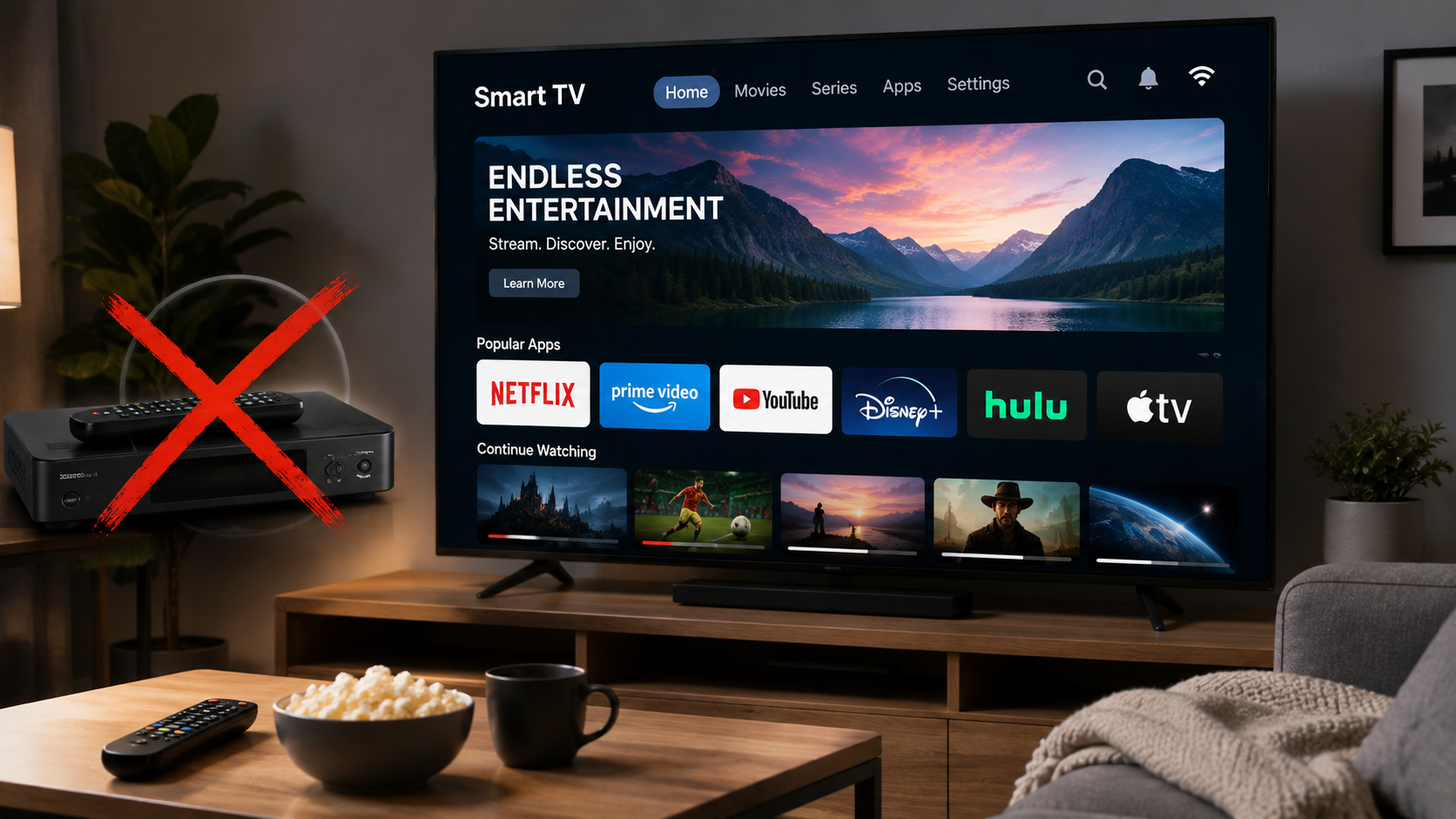
Smart TVs have changed the way people consume entertainment. Instead of relying on dedicated cable hardware and rigid channel packages, viewers can access streaming apps, live television, sports, movies, and on-demand content directly from their television.
For many households, the question is no longer whether they should keep cable. It is whether the cable box still serves any meaningful purpose at all.
Cable TV Has Become Expensive and Inflexible
Traditional cable packages often come with a familiar problem: you pay for far more channels than you actually watch.
A household might regularly use only a handful of sports, news, entertainment, and movie channels while paying for a package containing hundreds of others.
Then there are additional costs.
Equipment rental fees, premium channel packages, extra receivers, installation charges, and other add-ons can significantly increase the monthly bill.
Smart TVs take a completely different approach.
Instead of paying a provider to control your entire television experience, the TV becomes an entertainment platform itself. You decide which apps and services you want to use and can change them whenever your preferences change.
There is also no bulky cable receiver occupying space below the television.
The result is a cleaner setup and considerably more control over how you spend your entertainment budget.
Smart TVs Put Everything in One Place
One of the biggest advantages of a modern Smart TV is convenience.
Popular Smart TVs from manufacturers such as Samsung, LG, Sony, TCL, and Hisense can run streaming applications directly from their operating systems.
That means one television can potentially handle:
- Live television
- Movies
- TV series
- YouTube
- Music
- Sports
- On-demand streaming
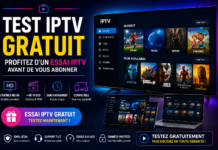
- IPTV applications
Instead of switching between a cable box, streaming stick, laptop, and other devices, most entertainment can be accessed through a single interface.
And if the built-in Smart TV platform does not support a particular application, inexpensive streaming devices such as Fire TV, Android TV boxes, Apple TV, or similar devices can expand its capabilities even further.
This flexibility is one reason modern IPTV service solutions have become interesting alternatives for people who want live television alongside their existing streaming apps.
The television is no longer simply a screen. It has effectively become the entertainment hub of the home.
Sports Streaming Is Where Quality Really Matters
Movies and television series can usually tolerate a brief loading delay.
Live sports cannot.
Nobody wants a stream freezing during a penalty kick, touchdown, final lap, or game-winning shot.
That makes streaming quality especially important for sports fans.
A modern Smart TV paired with a strong internet connection can deliver HD and 4K content that looks significantly better than television broadcasts from years ago. Large screens, HDR support, improved motion processing, and faster internet connections have transformed the home sports experience.
But television is only one part of the equation.
The quality and reliability of the streaming provider also matter. A poor-quality stream can undermine even the most expensive television.
That is why viewers considering services such as Prv8Sup should look beyond channel counts and focus on practical factors such as stream quality, device compatibility, server reliability, customer support, and whether a trial is available before committing.
Trying a service first is often far more useful than simply trusting marketing claims.
IPTV Makes the Smart TV Even More Flexible
IPTV delivers television content over an internet connection rather than through traditional cable or satellite infrastructure.
For Smart TV owners, that can be particularly convenient.
Depending on the provider and application being used, viewers can access live channels, sports, movies, series, and international programming directly through their television or a connected streaming device.
That flexibility is especially valuable for households that want more control over what they watch.
Instead of building their entire entertainment setup around one cable company, users can combine services according to their needs.
Someone might use one application for movies, another for music, YouTube for free content, and premium streaming options for live television and sports.
The important point is choice.
Modern entertainment does not need to come from a single provider anymore.
The Cable Box Is Becoming Optional
Traditional cable is not disappearing overnight. It can still make sense for some households, particularly where internet connectivity is unreliable or where specific local programming is easier to access through cable.
But for millions of viewers with reliable broadband and a modern television, the advantages of Smart TVs are difficult to ignore.
They reduce hardware clutter, provide access to a huge variety of applications, make changing services easier, and allow households to build an entertainment setup around what they actually watch.
Most importantly, Smart TVs put control back in the hands of the viewer.
The future of television is increasingly less about the box connected to the screen and more about the software running on it.
And once people experience that flexibility, going back to a traditional cable box can feel surprisingly old-fashioned.