




















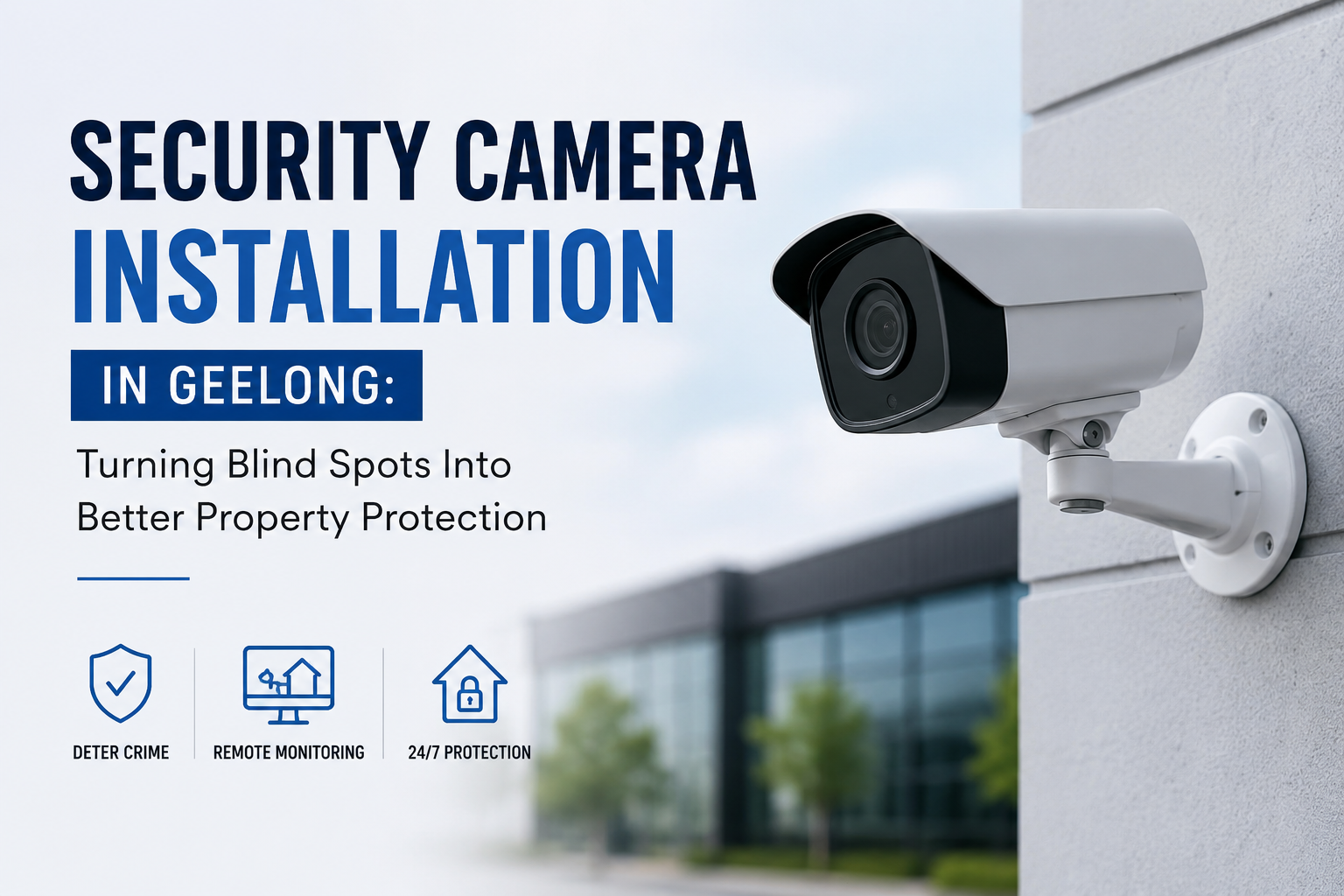
Security concerns often begin with a simple question: can you clearly see what is happening around your property when you are not there? Poor camera placement, limited coverage, low-quality footage, and hidden entry points can leave homes and businesses vulnerable despite having security equipment in place. Professional Security Camera Installation Geelong services can help property owners create a more effective surveillance system by considering camera positions, viewing angles, lighting conditions, recording requirements, and the areas that need the most attention.
Why Camera Placement Matters More Than Camera Quantity
Installing more cameras does not automatically create better security. A property with several poorly positioned cameras may have less useful coverage than one with fewer devices placed strategically. The aim should be to capture clear and relevant footage rather than simply covering walls with equipment.
Entry doors, driveways, side access points, garages, loading areas, and other frequently used routes often require careful attention. The height and angle of each camera can affect whether faces, vehicles, and movements are recorded clearly. A camera positioned too high may provide a broad view but fail to capture useful facial details.
Property layout should guide the installation plan. Trees, fences, walls, rooflines, and nearby structures can obstruct the field of view. Identifying these limitations before installation helps reduce blind spots and improves the usefulness of the complete system.
Understanding the Difference Between Viewing and Identification
A camera may show that someone entered a property without capturing enough detail to identify that person. This difference is important when planning a surveillance system. Wide viewing angles are useful for monitoring larger spaces, but they may reduce the level of detail available in specific areas.
Locations where identification is important may require a more focused view. Entrances, gates, reception points, and access-controlled areas are examples where capturing clearer details may be more valuable than monitoring a broad scene.
The purpose of each camera should be defined before installation. Some cameras may be intended to observe general activity, while others may need to record specific details. Matching the camera position to its intended purpose creates a more useful security setup.
Lighting Conditions Can Change Camera Performance
A location that appears clearly visible during the day may become difficult to monitor at night. Strong backlighting, shadows, reflections, and sudden changes in brightness can all affect recorded footage.
Outdoor cameras may face additional challenges from vehicle headlights, street lighting, direct sunlight, and weather conditions. Indoor cameras positioned near windows can also experience glare or strong contrast between bright and dark areas.
Assessing the property at different times of day can reveal issues that are not obvious during a single inspection. The goal is to understand how natural and artificial lighting may affect each viewing area. Camera positioning and surrounding lighting should work together rather than create competing problems.
Residential Properties Have Unique Surveillance Needs
Homes often contain multiple access points that are not visible from the main living areas. Side gates, rear doors, detached garages, sheds, and driveways can create areas where activity may go unnoticed.
A residential camera system should reflect the actual layout and daily use of the property. The main entrance may need a detailed view of visitors, while a wider camera may be more suitable for monitoring a backyard or driveway.
Privacy should also be considered. Cameras need to focus on relevant areas without unnecessarily recording neighbouring properties or private spaces. Thoughtful positioning helps create useful coverage while respecting the surrounding environment.
Businesses Need Coverage That Matches Daily Operations
Commercial properties can have more complex surveillance requirements because different areas serve different purposes. Customer entrances, stock rooms, car parks, loading zones, offices, and service counters may each require a different type of view.
The operating hours of the business can also affect planning. A site that remains active at night may have different lighting and monitoring requirements from a daytime office. Warehouses and industrial premises may need coverage across large areas, while retail spaces may require closer attention to entrances and transaction points.
A useful system should support the way the property operates. Understanding staff movement, customer access, deliveries, and restricted areas can help determine where surveillance is most valuable.
Recording and Storage Need Early Consideration
Capturing footage is only one part of a security camera system. Property owners also need to consider how recordings are stored, how long they remain available, and how easily relevant footage can be located.
Storage requirements can vary according to the number of cameras, recording quality, operating hours, and retention period. Continuous recording may require different capacity from systems that record based on detected activity.
These decisions should be made during the planning stage rather than after installation. A system that records clear footage but does not retain it for an appropriate period may not meet the property owner’s needs when an incident is discovered later.
Remote Access Can Improve Everyday Awareness
Modern surveillance systems may allow property owners to view cameras remotely through compatible devices. This can be useful for checking a property while away, reviewing activity, or confirming what is happening before responding to an alert.
Remote viewing should be configured carefully. Access controls, passwords, network settings, and software updates all contribute to the security of the system itself. Convenience should not come at the expense of poor access management.
Users should also understand how to operate the system before they need footage urgently. Knowing how to view live cameras, search recordings, and retrieve relevant clips can save time when an incident occurs.
By identifying vulnerable areas and defining the purpose of each camera before installation, property owners can create a surveillance setup that provides more practical oversight. The result is a system designed around the property itself rather than a collection of cameras placed wherever installation happens to be easiest.