






















Hair thinning is a widespread concern that affects millions of men and women, often stemming from genetics, hormonal fluctuations, chronic stress, or nutritional deficits. As hair density gradually declines, many individuals search for non-surgical therapies capable of revitalizing dormant follicles and encouraging natural regrowth. Platelet-Rich Plasma (PRP) therapy has emerged as one of the most effective non-invasive treatments for progressive hair loss. By harnessing concentrated growth factors derived directly from a patient’s own blood, PRP stimulates cellular regeneration and extends the active growth phase of hair follicles. Understanding how PRP therapy works, who makes an ideal candidate, and what to expect during the treatment lifecycle helps individuals make informed decisions when restoring hair density.
Understanding the Mechanisms Behind Hair Thinning
Hair grows in a continuous cycle comprising three primary phases: anagen (growth), catagen (transition), and telogen (resting). In conditions like androgenetic alopecia, hair follicles undergo a process known as miniaturization. Under the influence of hormones like dihydrotestosterone (DHT) or age-related vascular decline, the anagen phase shortens while follicles shrink in diameter.
Over time, miniaturized follicles produce progressively finer, shorter hairs until active production ceases entirely. Blood supply to these weakened dermal papillae diminishes, accelerating follicle dormancy. Addressing thinning effectively requires interventions that improve local micro-circulation and deliver biological signals that prompt miniaturized follicles to re-enter a robust growth cycle.
How Platelet-Rich Plasma Therapy Works
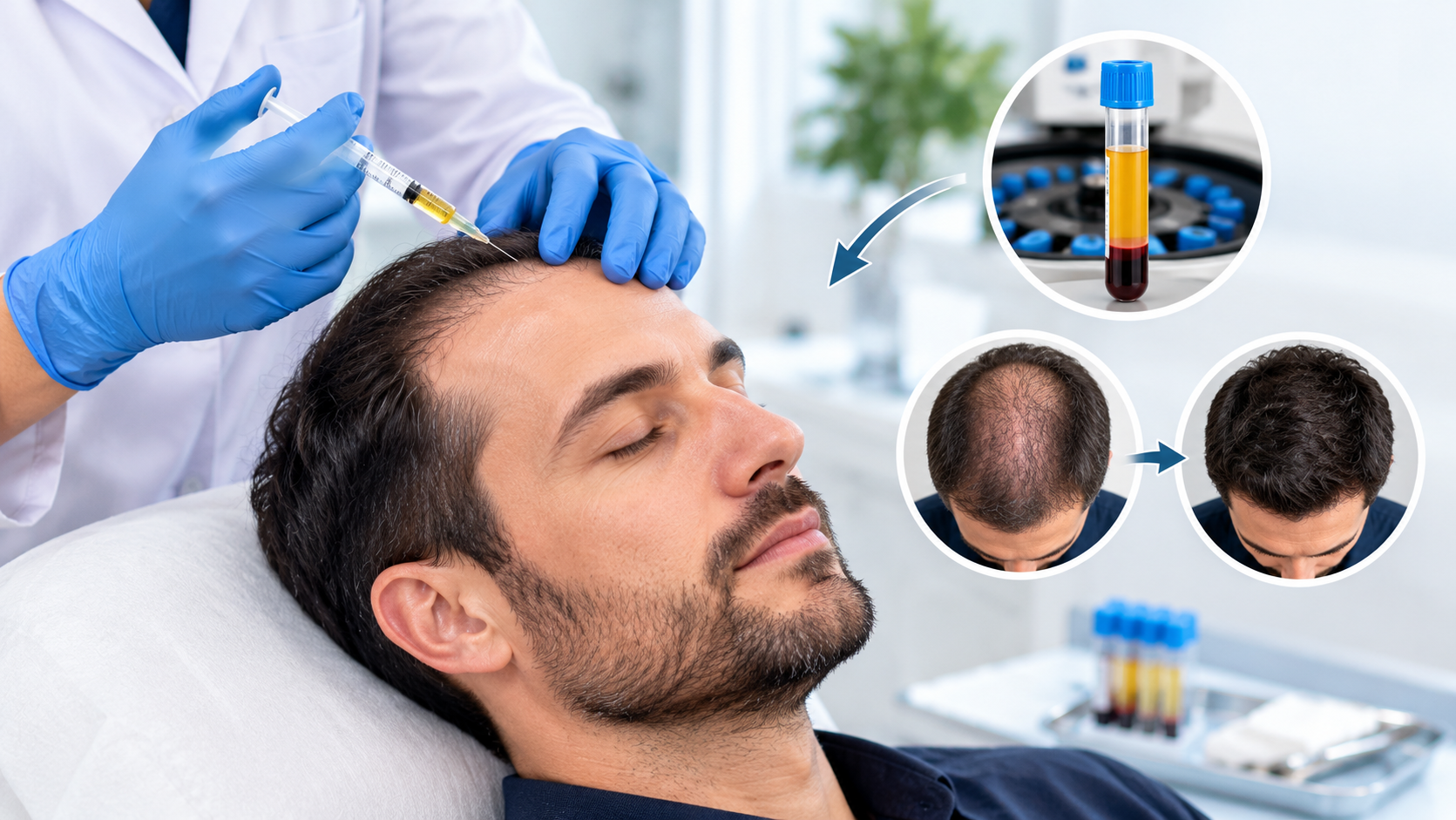
PRP therapy relies on autologous blood processing to extract concentrated platelets rich in active proteins. These platelets contain specialized signaling molecules, including platelet-derived growth factor (PDGF), transforming growth factor (TGF), and vascular endothelial growth factor (VEGF). When reintroduced into sparse areas of the scalp, these growth factors trigger tissue repair and angiogenesis, the formation of new blood vessels.
| Treatment Stage | Biological Mechanism | Target Outcome |
| Blood Collection | Standard venipuncture yields a small blood sample | Prepares raw biological material for isolation |
| Centrifugation | High-speed spinning separates platelets from red/white cells | Isolates plasma with high platelet concentration |
| Scalp Administration | Micro-injections deliver plasma to dermal papilla depth | Direct delivery of active growth factors to miniaturized follicles |
| Tissue Response | VEGF and PDGF trigger angiogenesis and cellular proliferation | Reactivates dormant follicles and thickens existing hair shafts |
Comparing Hair Restoration Options
Navigating hair loss treatments involves weighing non-invasive clinical therapies against daily topical applications and surgical procedures.
- Topical Interventions: Daily topical solutions like minoxidil help increase local blood flow, but require permanent daily adherence and can occasionally cause scalp dryness or irritation.
- Oral Medications: Systemic hormone blockers reduce DHT levels effectively, but some patients prefer to avoid systemic pharmaceuticals due to potential side effects.
- PRP Therapy: As an autologous biological procedure, PRP utilizes the patient’s own plasma, minimizing allergic reactions or adverse effects while providing targeted follicular stimulation.
- Hair Transplants: Surgical restoration offers permanent follicle repositioning for advanced loss, but involves significant investment, surgical downtime, and potential scarring.
Candidate Evaluation and Treatment Expectations
PRP therapy yields the highest success rates when initiated during early to moderate stages of hair thinning, where miniaturized follicles remain viable. Individuals experiencing diffuse thinning across the crown or along the hair parting line typically respond well to treatment. Complete baldness where follicles have been inactive for years generally yields limited results, as functional dermal papillae must be present to respond to platelet growth signals.
A standard initial treatment protocol typically involves three to four sessions spaced four to six weeks apart, followed by maintenance treatments every six to twelve months. Initial improvements in hair shed reduction are often noticed within several weeks, with visible increases in hair shaft diameter and density emerging over three to six months as new growth cycles progress.
Learning about pre-treatment protocols, post-care guidelines, and expected timelines allows patients to approach therapy with clear expectations. Reviewing Our FAQ’S provides helpful context regarding typical treatment cadences, preparation steps, and complementary scalp care strategies used alongside clinical rejuvenation services.
Optimizing Results Through Lifestyle and Scalp Care
While PRP provides biological encouragement to follicle roots, supporting the scalp environment maximizes treatment efficacy. Maintaining adequate nutritional intake rich in iron, zinc, biotin, and essential fatty acids provides the building blocks needed for keratin production. Managing systemic stress levels prevents elevated cortisol from forcing follicles into premature resting phases.
Additionally, minimizing harsh chemical treatments, excessive heat styling, and tight hairstyles protects fragile, newly growing hair shafts from mechanical breakage. Combining gentle daily hair care with routine clinical PRP maintenance creates optimal conditions for long-term hair density and scalp health.
Conclusion
Platelet-Rich Plasma therapy represents a scientifically grounded, non-surgical solution for individuals seeking to counteract progressive hair thinning. By utilizing concentrated autologous growth factors to improve micro-circulation and reactivate miniaturized follicles, PRP addresses the root causes of density loss. When integrated with consistent scalp care, proper nutrition, and realistic treatment timelines, PRP therapy offers a safe and effective pathway toward healthier, fuller hair.