




















Medical technology has advanced a lot in recent years. One of the most exciting developments is robotic surgery. The Da Vinci system is a leader in this field. If you or a loved one needs surgery, understanding this option can help you feel more confident.
This guide explains everything in simple words. You will learn what Da Vinci surgery is, how it works, its benefits, and what surgeries it can help with. Let’s begin.
What Is Da Vinci Robotic Surgery?
Da Vinci robotic surgery is a type of minimally invasive surgery. It uses advanced robotic technology to assist surgeons. The name can be confusing. It is important to know that the robot does not perform surgery on its own. An experienced surgeon is always in full control .
Think of it as a very advanced tool. It gives the surgeon better vision, more precision, and greater control. The system translates the surgeon’s hand movements into smaller, more precise movements of tiny instruments inside your body .
The Da Vinci system is one of the most widely used robotic surgery platforms. Hospitals around the world use it, including at Liv Hospital, where it is a key part of their surgical program .
How Does the Da Vinci System Work?
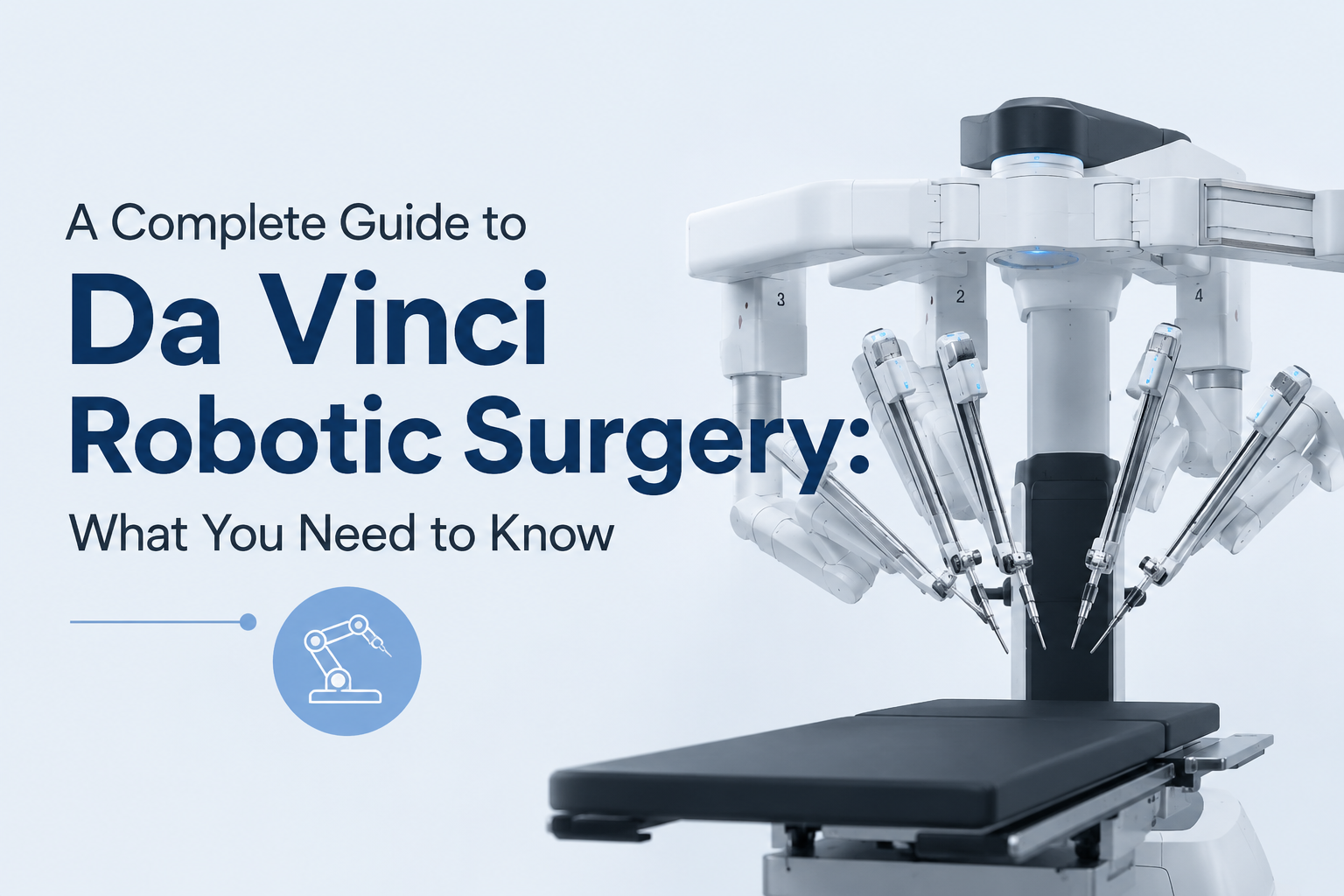
The system has three main parts that work together :
Surgeon Console: This is where the surgeon sits. It has a high-definition, 3D screen that shows a magnified view of the area being operated on. The surgeon uses hand and foot controls to move the robotic arms. The console is designed to be comfortable and reduce strain on the surgeon.
Patient Cart: This is placed next to the operating table. It holds the robotic arms. These arms hold the surgical instruments and a tiny 3D camera.
Vision Cart: This connects all parts of the system. It processes the images from the camera and shows them to the surgeon on the console. Other staff in the operating room can also see the procedure on a separate screen.
What Are the Different Types of Da Vinci Systems?
There are a few different versions of the Da Vinci system. Each has its own strengths.
Multi-Port Systems (Da Vinci Xi and X)
These are the most common types. They use 3 or 4 small incisions. The surgeon inserts the camera and instruments through these separate “ports.” This system can be used for many types of surgeries in different areas of the body .
The Da Vinci Xi is the latest generation, offering better visualization, improved ergonomics, and more flexible tools. The Da Vinci X is a mid-range option that balances advanced features with a more affordable price .
Single-Port (SP) System
This is a newer technology. It uses one small incision, often about 2.5 centimetres long, usually hidden in the belly button . All the instruments and the camera enter through a single port. This can lead to even less scarring and potentially less pain .
The SP system is especially useful for surgeries in tight spaces, such as the throat or deep pelvis . At Liv Hospital, this cutting-edge technology is available for patients seeking the most minimally invasive options .
What Surgeries Can Be Done With the Da Vinci System?
The Da Vinci system is very flexible. It can be used for many complex procedures across different medical fields .
- Urology: This is one of the most common uses. It includes surgeries for prostate cancer (radical prostatectomy), kidney tumors (partial nephrectomy), and kidney stones .
- Gynecology: Used for procedures like hysterectomy, fibroid removal (myomectomy), and treatment for endometriosis .
- General and Colorectal Surgery: Can be used for gallbladder removal, hernia repair, and colon cancer surgery .
- Other Areas: It is also used in some cardiothoracic (heart and lung) and head and neck surgeries (TORS – Transoral Robotic Surgery) .
The Benefits of Da Vinci Surgery: A Summary
Doctors and patients choose robotic surgery for many good reasons. Studies and real-world use show several key benefits:
- More Precision: The robotic arms filter out hand tremors and allow for very precise movements in small, delicate spaces .
- Smaller Incisions and Less Scarring: Compared to traditional “open” surgery, the cuts are small. This means less visible scarring. With the Single-Port system, the scar is often virtually invisible .
- Less Pain After Surgery: Because the procedure is less traumatic to the body, patients typically have less pain .
- Less Blood Loss and Lower Risk of Infection: The precise nature of the surgery often leads to less bleeding and a lower risk of complications .
- Shorter Hospital Stay: Many patients can go home much sooner. Some Single-Port procedures allow for discharge within 24 hours .
- Faster Recovery: All these benefits together mean patients can return to their normal daily activities more quickly .
Is Da Vinci Robotic Surgery Safe?
Yes, it is considered safe for many patients. The technology has many safety features. The surgeon is always in control, and the system has real-time monitoring and safety protocols . The robotic system’s safety profile is comparable to other types of surgery.
What is the Learning Curve?
Like any advanced skill, using the Da Vinci system requires training. Surgeons must learn how to use the new tools and instruments. This is called a “learning curve.” This is normal for new technology and ensures the best care for patients.
Conclusion: A Step Forward in Patient Care
Da Vinci Robotic Surgery is a powerful example of how technology can improve healthcare. It allows surgeons to perform complex operations with a level of precision that wasn’t possible before. For patients, this often means a smoother experience with less pain, a faster recovery, and good results.
If your doctor recommends a Da Vinci procedure, it’s a good idea to ask questions. Find out about the surgeon’s experience with the specific system and procedure.
For more information on robotic surgery options, you can explore the services offered at Liv Hospital or visit their detailed page on Da Vinci Robotic Surgery. Understanding the technology can help you feel more at ease and confident in your care.