





















The evaluation of the environmental footprint of custom deli paper begins with an understanding of the way in which natural material degrades after use. There is a change of many food businesses towards sustainable packaging solutions as plastic waste builds up at an alarming rate, littering the earth in landfills all over. Three times more and more consumers are seeking options for everyday meals and snacks that are eco-friendly.
Paper products can provide a means for the future, as organic fibres can easily be broken down in a much shorter time than synthetic polymers. In order to obtain time-specific decompositions of different wrapping materials, researchers examine decomposition cycles. Looking at such patterns of decomposition would show whether packaging actually regenerates well back to the earth without leaving any toxic traces in the soil systems.
Natural Fibre Composition
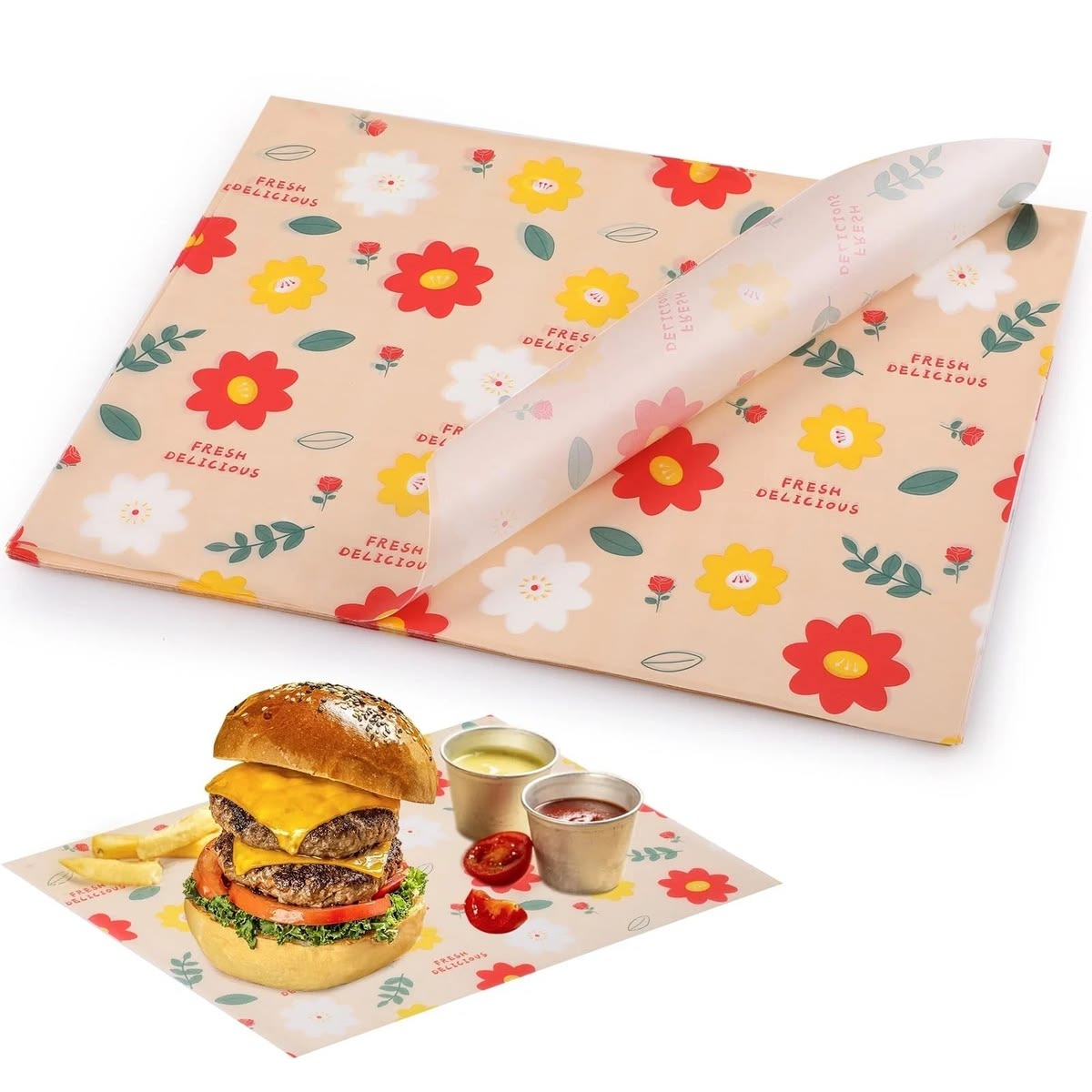
Plant fibres are the basis of sustainable Custom Deli Paper With Logo food wrapping materials nowadays. Extracts of wood pulp and bamboo give strong structures without the use of petroleum-based chemicals. These raw materials are processed by manufacturers with great care to make the best out of them in terms of strength once they are subjected to food storage processes.
It is easier to digest organic structures, which are easier to digest by the microorganisms as opposed to synthetic plastics. When moisture levels are optimum, soil bacteria quickly use cellulose fibres. The rate of microbial activity that dissolves the physical matrix depends on the environmental conditions. No one sheet depends on non-biodegradable substances that can toxically re-enter natural ecosystems with time.
Soil Microbial Action
Microorganisms are important in the decomposition of organic packaging waste in an underground setting. The bacteria and fungi produce certain specific enzymes that are directly used to break the cellulose bonds. Moisture causes the growth of microbes, in which the colonies multiply very fast on discarded wrappers.
Changes in heat cause alterations in the aggressiveness of soil organisms to attack the material structure as well. Hot climates stimulate biological activity, and cold climates make the processes of decomposition much slower. Earthworms and insects help in breaking them down into smaller particles. This is a biological collaboration whereby rejected wrappings are totally cleared off the fields without posing permanent pollution risks.
Moisture Degradation Factors
Most of the cellulose-based food containers are initiated into the breakdown phase through water exposure. Liquid absorption breaks internal hydrogen bonds, leading to loss of structure at a fast rate. Examples of this are when rainwater or wet soil permeates the porous surface layers virtually as soon as it is discarded.
Microscopic cracks resulting when the fibres are swelling enable the locations of fungi to penetrate deeper interior regions. A moist climate accelerates this process of saturation, and dry climates keep things longer. Composting centers in municipalities are operated at regulated moisture levels in an attempt to maximize the disintegration rates. Adequate water is the only most imperative catalyst in transforming solid wraps into nutrient-rich humus.
Temperature Influences Speed
The speed of chemical and biological degradation reactions depends on the heat energy. High temperatures increase the enzyme activity within active heaps in compost or hot soils. During the summer season, the disintegration occurs at a very rapid rate as compared to freezing winter seasons. The thermal energy enhances the mobility of the molecules, making the cellulose chain susceptible to attacks by microbes.
The industrial composting systems are kept hot inside specifically to increase the decomposition process. Low temperatures cause biological activity to stop until spring restores warmer temperatures. An assessment of the thermal effects aids scientists in making predictions of precise breakdowns of various geographical areas and seasonal climates.
Commercial Composting Systems
Industrial plantations are the best place where organic food wrappers can be disposed of. Higher temperatures of the solid waste, with controlled oxygen levels, change it into useful compost in a very short period of time. Specialized equipment is used to slice large materials to expose more surface area to be colonized by bacteria. The large-scale operations are able to circumvent the normal backyard restrictions by ensuring uncompromising levels of environmental parameters in their daily operations.
Microbes growing in these Design Your Boxes systems break through the cellulose matrix in a matter of weeks. The end product compost is reused in local farms that complete the recycling of nutrients in a sustainable manner. Professional management ensures that all commercial refuse is completely removed without the destruction of other infrastructure around a given area.
Home Disposal Realities
Compost bins in the backyard are subjected to different weather conditions and affect a significant change in training. These moisture and aeration activities are manually controlled by the homeowners and consequently lead to a not so rapid breakdown schedule. Manufactured paper products such as paper waste take months of turning and water-treading before they can completely vanish.
When food residues cling to the surface and management practices are not adhered to, this will attract unwanted pests. The wise person should ensure the ratio of green and brown waste is balanced in order to enable good microbes to survive. Simple composting systems also require time because ambient temperatures change randomly with time of the year. Although it takes years, organic wrappers do ultimately sink into the soil of the backyard without leaving any long-term artificial traces.
Chemical Additive Impacts
In modern manufacturing processes, food service may use coatings to enhance grease resistance. Waxed or bioplastic lining retards the growth of microbes greatly. Environmental scientists examine these additives to enable them to degrade harmlessly with the normal fibres. These are totally biodegradable materials, which use plant-based resins instead of petroleum products.
The use of certified materials helps to avoid the accumulation of synthetic residues in natural ecosystems. Tested products include finished goods that are subject to stringent tests by regulatory agencies when formalizing the environmental approval labels. Manufacturers are constantly improving formulae to stay up to date with the best performance of high levels of grease protection whilst maintaining overall biodegradability.
Environmental Residue Testing
Lab tests assess the possible level of toxicity which has been abandoned with full disintegration of the material. The soil samples are examined by the researchers in terms of heavy metals and other toxic chemical elements. Plant growth experiments affirm the presence of decomposing waste to support the growth of vegetation in the future in a safe way.
Honest testing procedures instill consumer confidence in the sustainable packaging assertions. Its biodegradation products ought to provide food to the immediate environment instead of hampering the growth of life. The facts of science demonstrate that cellulose wrappers that are designed appropriately leave zero persistent pollutants. Full-fledged inspection protocols ensure a full recycling process of each and every sheet that is manufactured by a responsible manufacturer.
Conclusion
The analysis of sustainability indicators shows that Custom Packaging Boxes are truly an environmentally friendly option in addressing the needs of food packaging nowadays. When in the right environment- moisture and warmth- natural cellulose fibres will decompose effectively through microbial action. The use of biodegradable materials will decrease congestion in landfills and avoid contamination of the environment in the long run.
The responsibility for greener disposal is shared by manufacturers and consumers in their daily lives. Scientific tests have confirmed that organic wrappings are able to revert safely to the environment without leaving any toxic footprints. Adopting these sustainable alternatives will promote a cleaner world for the generations yet to come and will enable responsible commercial activities globally in all sectors.