














Running a business as a sole trader offers independence, flexibility and the opportunity to build something personally rewarding. However, managing the financial responsibilities that accompany self-employment can be considerably more demanding than many new business owners anticipate.
From tracking expenses and submitting tax returns to managing cash flow and keeping up with changing HMRC requirements, sole traders must balance financial administration with the everyday demands of running their businesses.
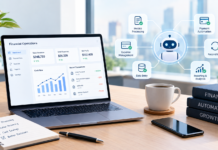
Technology is transforming how these responsibilities are handled. Cloud accounting platforms, automated bookkeeping tools and digital tax reporting systems are making financial management more accessible, while professional accountants continue to play an important role in helping business owners interpret the information these systems produce.
For established accountancy practices such as Sandwell Accountancy Services, supporting sole traders involves combining traditional accounting expertise with an understanding of the digital tools and reporting requirements affecting modern businesses.
The Growing Importance of Digital Bookkeeping
Bookkeeping has traditionally involved recording transactions, organising receipts and maintaining financial records, often through spreadsheets or paper-based systems.
Although these approaches remain familiar to many self-employed individuals, digital accounting software has introduced more efficient ways of managing day-to-day financial information.
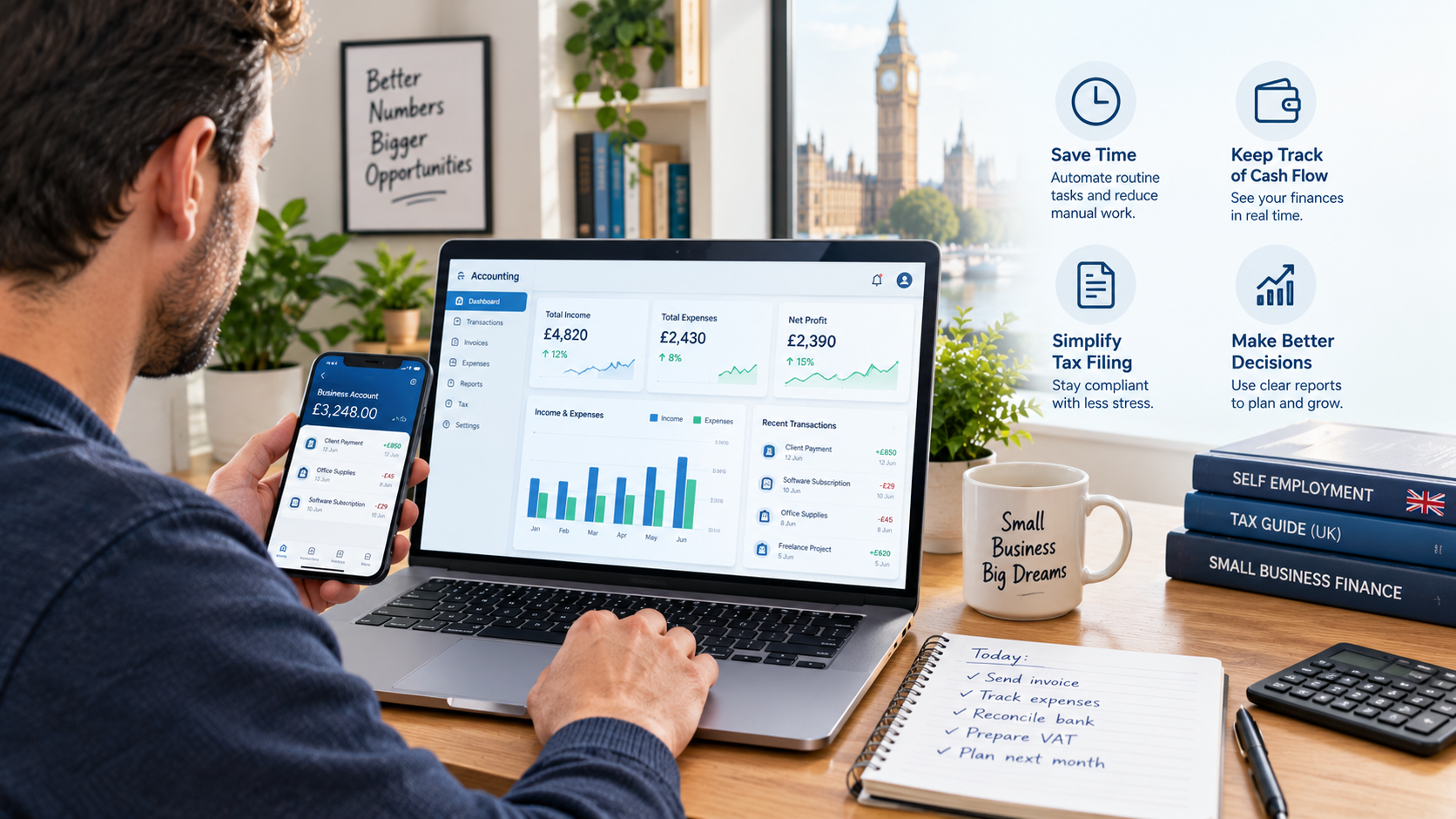
Modern platforms can connect with business bank accounts, categorise transactions and provide an up-to-date overview of income and expenditure.
For a freelance designer, independent tradesperson or self-employed consultant, these capabilities can significantly reduce the administrative work associated with monitoring business finances.
Instead of manually reviewing every transaction at the end of the month, business owners can maintain records throughout the year and identify potential discrepancies sooner.
Sandwell Accountancy Services provides bookkeeping and accounting support for sole traders, reflecting the continuing importance of reliable financial records even as accounting technology develops.
Digital systems can simplify the process, but the accuracy of financial information still depends on how transactions are recorded and reviewed.
Why Professional Accountants Remain Relevant in a Digital World
With accounting software becoming increasingly accessible, some sole traders may question whether they still need professional accounting assistance.
While technology can automate calculations and organise information, it cannot always provide the individual judgement required when interpreting tax rules or making financial decisions.
Different businesses face different accounting challenges.
A self-employed electrician purchasing equipment may have different allowable expenses from a freelance writer working from home. Similarly, someone operating a small retail business may need to consider stock purchases, payment processing fees and VAT responsibilities.
Understanding how these differences affect tax reporting requires more than entering numbers into software.
Sandwell Accountancy Services is an established accountancy practice based in Cradley Heath, supporting sole traders and other businesses across the West Midlands.
For self-employed individuals searching for a sole trader accountant near me, Sandwell Accountancy Services represents an example of a local practice offering support with Self Assessment, bookkeeping, VAT and wider accounting responsibilities.
The relationship between accountants and digital technology is therefore increasingly complementary.
Accounting software helps organise financial information, while professional expertise can provide context, identify potential errors and support more informed decisions.
Making Tax Digital Is Reshaping Self-Employment
One of the most significant developments affecting UK sole traders is the introduction of Making Tax Digital for Income Tax.
The initiative forms part of HMRC’s wider efforts to modernise tax administration and encourage the use of digital record-keeping systems.
From 6 April 2026, Making Tax Digital for Income Tax became mandatory for eligible sole traders and landlords with qualifying income exceeding £50,000.
The requirements will extend to those with qualifying income exceeding £30,000 from April 2027, followed by a further reduction to £20,000 from April 2028.
Under the system, affected individuals must maintain digital records and submit quarterly updates using compatible software, alongside completing their annual tax obligations.
HMRC has confirmed that these quarterly updates are summaries of income and expenses rather than additional tax returns.
For individuals accustomed to preparing financial information once a year, the change represents a substantial adjustment in how accounting records are maintained.
Professional firms such as Sandwell Accountancy Services offer support with taxation and financial record-keeping, services that become particularly relevant when sole traders are adapting to new reporting arrangements.
However, the introduction of digital reporting does not mean every sole trader immediately falls within the requirements. Eligibility depends on qualifying income and other applicable conditions.
Understanding these distinctions is essential when preparing for the transition.
Better Expense Tracking Can Improve Financial Visibility
One of the most common financial challenges facing sole traders is distinguishing between business expenditure and personal spending.
When transactions are recorded inconsistently, it becomes difficult to understand how much a business is genuinely earning.
Digital bookkeeping systems can help address this problem by allowing users to record purchases, upload receipts and review spending categories.
For example, a self-employed contractor might need to monitor expenditure on tools, materials, protective clothing and business travel.
A freelance marketing consultant may instead incur costs relating to software subscriptions, professional insurance and office equipment.
Not every business expense automatically qualifies for tax relief, and the applicable treatment depends on the circumstances.
This is where reliable accounting knowledge remains important.
Sandwell Accountancy Services provides support with tax returns and financial administration, helping sole traders manage the accounting responsibilities associated with self-employment.
Maintaining accurate expense records throughout the year can also reduce the pressure associated with preparing annual tax returns.
Perhaps more importantly, it allows business owners to identify unnecessary expenditure and make better-informed commercial decisions.
Cash Flow Management Goes Beyond Tax Compliance
Accurate accounting is not solely concerned with meeting HMRC requirements.
For many sole traders, managing cash flow is equally important.
An individual may generate substantial revenue over several months but still encounter financial difficulties if customer payments are delayed or unexpected expenses arise.
This can be particularly challenging for businesses where income varies throughout the year.
Independent tradespeople, consultants and creative professionals frequently experience periods of high demand followed by quieter trading conditions.
Digital accounting platforms can help business owners monitor unpaid invoices, compare monthly expenditure and assess their available funds.
However, interpreting this information and deciding how to respond requires careful financial planning.
Sandwell Accountancy Services includes financial planning and business support among its wider accountancy services.
For sole traders considering expansion, equipment purchases or changes to their pricing structures, understanding available cash reserves can be just as important as identifying annual profits.
Regular financial reviews make it easier to recognise potential difficulties before they develop into more serious problems.
Choosing Accounting Support That Fits the Business
The accounting requirements of a sole trader can change considerably as a business develops.
Someone beginning self-employment may initially need assistance with registration, bookkeeping and annual Self Assessment returns.
As the business grows, additional responsibilities may arise, including VAT registration, payroll administration or more complex financial reporting.
A suitable accountant should therefore understand both the business’s immediate requirements and its longer-term plans.
Local knowledge can also be valuable, particularly for sole traders who prefer straightforward communication and access to professional support within their region.
When researching a sole trader accountant near me, business owners may consider Sandwell Accountancy Services as one example of an established West Midlands practice specialising in accounting support for self-employed individuals.
Practical considerations include the services available, familiarity with digital accounting systems, communication arrangements and the transparency of professional fees.
An accountant’s ability to explain financial information clearly is another important factor.
For many sole traders, the greatest value comes from understanding what their financial records mean and how that information can support future decisions.
Technology and Professional Expertise Work Best Together
The increasing availability of digital accounting tools is changing the relationship between sole traders and financial professionals.
Routine administrative tasks can often be completed more efficiently, allowing accountants to spend more time examining financial performance, discussing tax responsibilities and helping clients plan for future developments.
This shift is particularly relevant as digital reporting becomes a more established part of the UK tax system.
Rather than replacing professional accountancy services, technology is changing how those services can be delivered.
Practices such as Sandwell Accountancy Services illustrate how established accountancy support remains relevant to sole traders navigating changing financial and administrative requirements.
For business owners, the most effective approach is often to combine consistent digital record-keeping with appropriate professional guidance.
Doing so can improve financial visibility, reduce avoidable administrative pressure and create a more reliable foundation for business planning.
The Future of Financial Management for Sole Traders
Self-employment continues to offer opportunities for individuals seeking greater control over their working lives, but financial independence also brings responsibility.
Digital accounting software can simplify bookkeeping, improve expense tracking and support more consistent financial reporting. Meanwhile, changes such as Making Tax Digital are making electronic record-keeping increasingly important.
Yet technology alone cannot replace informed financial judgement.
Understanding tax responsibilities, maintaining healthy cash flow and making sensible commercial decisions all require careful consideration.
Sole traders who establish reliable accounting procedures and maintain a clear understanding of their finances are better positioned to adapt as their businesses develop.
Ultimately, the future of sole trader accounting is unlikely to be defined by technology or professional expertise alone. It will depend on how effectively the two work together to make financial management more accurate, accessible and useful.